A video posted by Israel’s far-right National Security Minister Itamar Ben-Gvir, in which he is seen taunting abducted flotilla activists who sought to break the siege on Gaza, has triggered a backlash and dealt a huge blow to Israel’s multimillion-dollar public relations campaign, known as “Hasbara”.
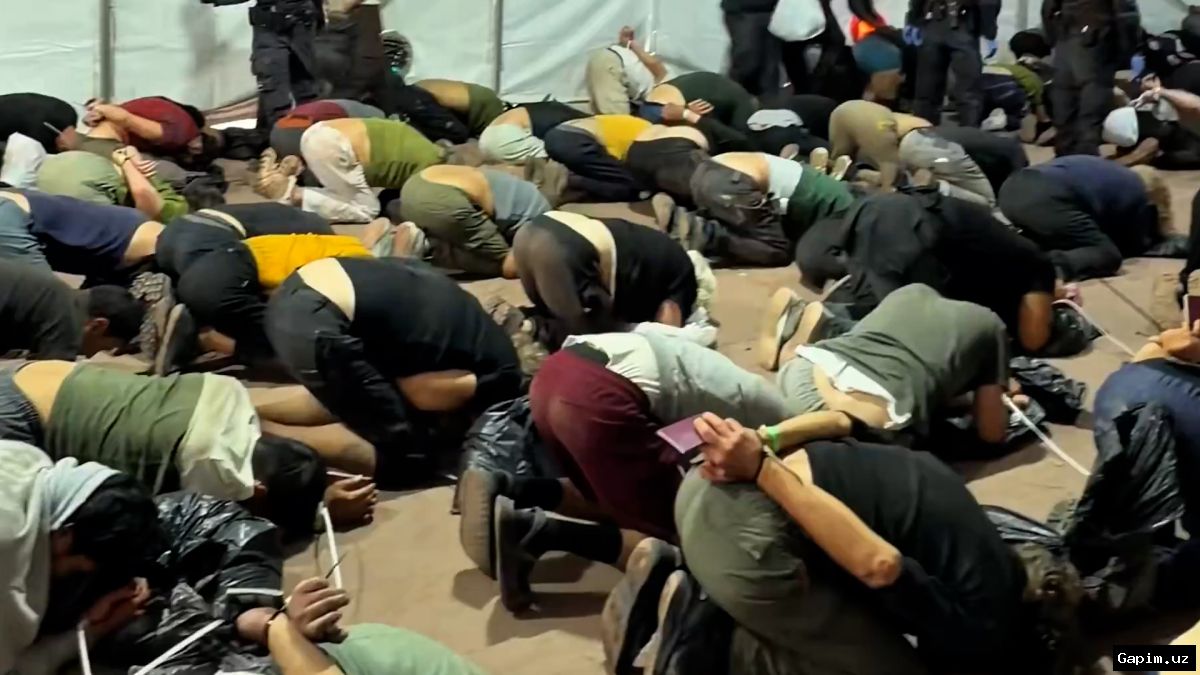
The footage, posted on the social media platform X, showed Ben-Gvir gloating as activists from the Global Sumud Flotilla knelt on the floor, blindfolded, with their hands bound at the Port of Ashdod. Israeli naval forces had intercepted the flotilla’s vessels in international waters off the coast of Cyprus, illegally abducting 430 participants.
The images of activists being dragged across the floor prompted several countries – including Italy, France, the Netherlands, Canada, and Spain – to summon Israeli ambassadors, condemning the “unacceptable” treatment and violation of human dignity.
Experts argue that the frantic damage control by Israeli officials, including Prime Minister Benjamin Netanyahu, who ordered the rapid deportation of the activists, stems not from moral outrage over the abuses, but from the catastrophic damage done to Israel’s global image.
For decades, Israel has relied on “Hasbara” – a Hebrew term translating to “explanation” – a propaganda campaign to justify its policies and military actions against Palestinians to the international community. Fathi Nimer, a Palestine policy fellow at Al-Shabaka, told Al Jazeera that Hasbara is essentially state propaganda designed to “beautify the image of the occupation”.
Yet, Ben-Gvir’s brazen video dismantled this heavily funded narrative in an instant. “For Netanyahu, the sin was not the torture or humiliation of the activists; the sin was broadcasting it to the world,” Nimer explained.
Mtanes Shehadeh, an academic and expert on Israeli affairs, echoed this assessment, stating that the video provided “live, irrefutable evidence that structural violence and a disregard for human rights are foundational to the current Israeli establishment.”
The diplomatic fallout also laid bare the glaring contradictions in United States policy. US ambassador to Israel Mike Huckabee criticised Ben-Gvir, but critics pointed out that his condemnation focused entirely on the indignity of the broadcast rather than the human rights violations. Furthermore, the US Treasury imposed sanctions on four organisers of the flotilla, labelling the humanitarian mission a “pro-terror flotilla”.
Analysts highlight this as a stark double standard. While the US administration quickly moved to sanction humanitarian flotilla organisers, it has consistently shielded far-right Israeli ministers like Ben-Gvir from accountability.
For Palestinians, the humiliation endured by the activists is merely a glimpse into a much darker, systemic reality. Mustafa Barghouti, secretary-general of the Palestinian National Initiative, said the scene represents a “microcosm” of what Palestinian prisoners endure daily.
Human rights groups estimate that nearly 100 Palestinians have died in Israeli custody since October 2023. Luisa Morgantini, former vice president of the European Parliament, called on European nations to suspend their association agreements with Israel, halt arms sales, and actively back the ICC’s arrest warrants against Israeli leaders.
Despite the military interceptions and the US sanctions, activists and analysts agree that the flotilla campaigns have succeeded in exposing the limits of Israeli force. Nimer cited the American psychologist Abraham Maslow: “If the only tool you have is a hammer, you tend to see every problem as a nail.”
Source: www.aljazeera.com