The International Court of Justice (ICJ), the United Nations' highest judicial body, has ruled that workers and unions have the right to strike under a key international treaty, a decision that could reshape labor laws worldwide.
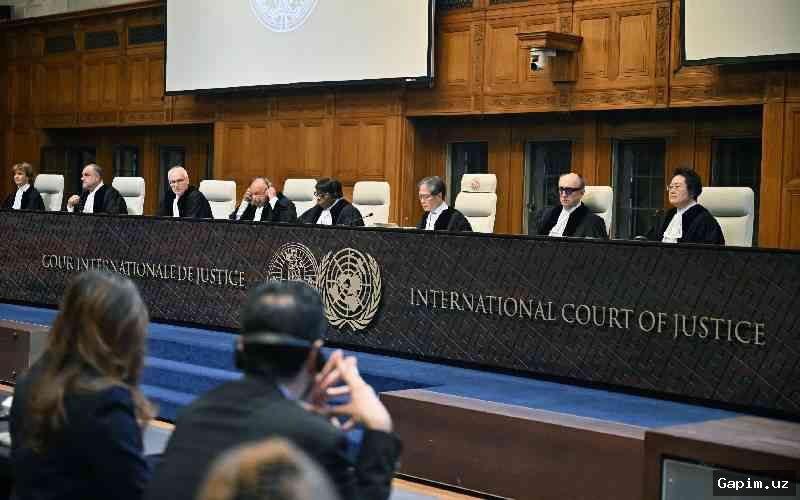
ICJ President Yuji Iwasawa announced on Thursday that the court was “of the opinion that the right to strike of workers and their organisations is protected” under the International Labour Organization's (ILO) 1948 Freedom of Association Convention (Convention 87). The ruling came in a 10-4 vote by the 14-member panel.
The ILO had requested the advisory opinion in November 2023 amid a longstanding dispute between worker and employer representatives over whether Convention 87 implicitly protects the right to strike. Although the ICJ affirmed that the treaty enshrines such a right, the judges emphasized the narrow scope of their opinion, stating it “does not entail any determination on the precise content, scope or conditions for the exercise of that right.”
While the ruling is not binding, ICJ opinions carry significant authority and are often cited by national courts. Labor advocates expect it to influence countries that have not recognized the right to strike. Convention 87 has been ratified by 158 countries and sets out protections for workers' and employers' freedom to organize and join federations.
In its 43-page advisory opinion, the ICJ reasoned that strikes are “one of the main activities engaged in and tools used by workers and their organisations to promote their interests and improve conditions of labour.” The court further stated that “freedom of association is instrumental in facilitating workers’ organisations to take collective action to further and defend the interests of their members, including through the exercise of the right to strike,” concluding that the right to strike aligns with the convention's object and purpose.
The ruling ends what the ILO described as “a long-standing difference of views” over Convention 87 among employers and workers. The ILO noted that seeking the ICJ's resolution was an “exceptionally rare” move. Harold Koh, representing the International Trade Union Confederation, told the court the case was “about more than legal abstractions” and “will affect the real rights of tens of millions of working people around the world.”
Source: www.aljazeera.com