Cyprus heads to the polls on May 24 for parliamentary elections expected to significantly reshape the country's political landscape. Opinion polls indicate a decline in support for the two dominant parties—the conservative Democratic Rally (DISY) and the left-wing Progressive Party of Working People (AKEL)—and a rise in new anti-establishment movements.
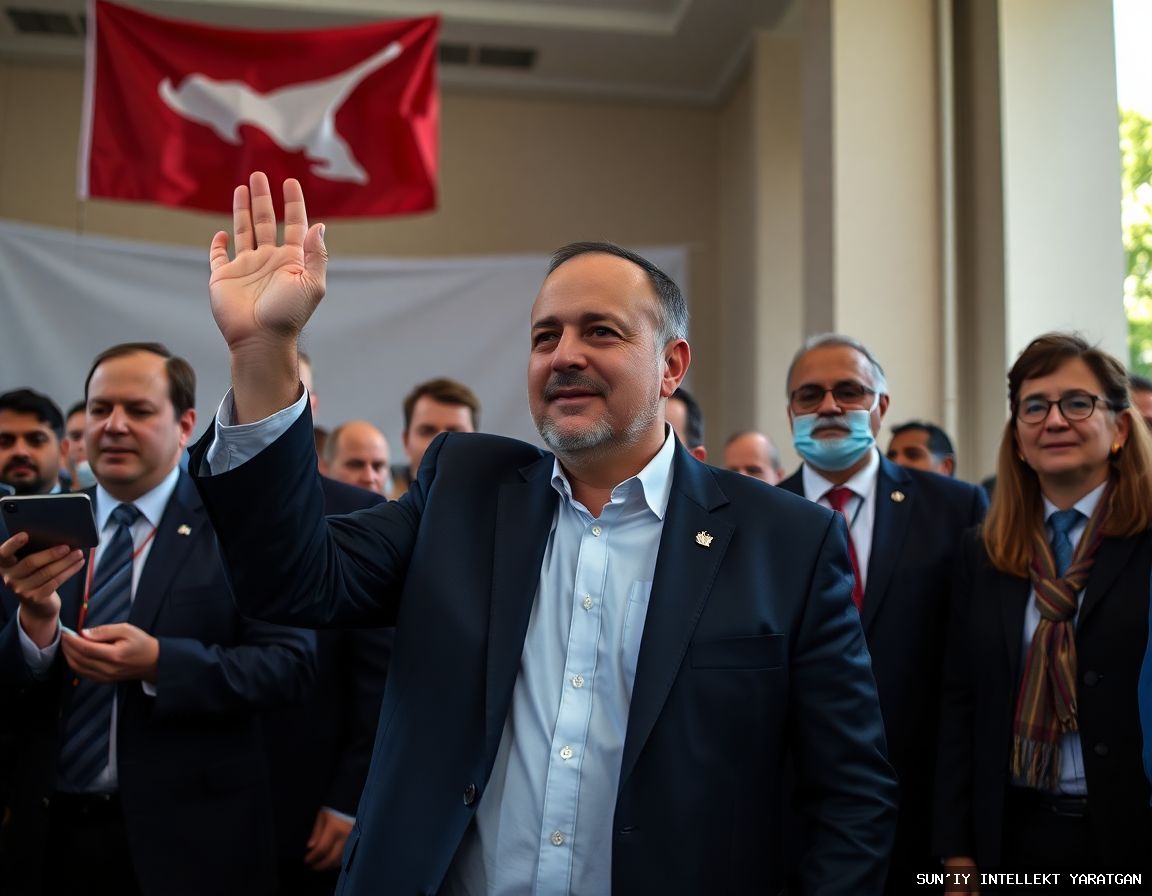
Political analyst Sotiris Paroutis says Cyprus is heading toward “a profound transformation of its political scene,” marked not only by the weakening of the two major parties but also by the collapse of traditional centrist forces and the emergence of new political movements to fill the void.
Polls suggest DISY and AKEL will each secure around 20% of the vote. Corruption scandals, growing public frustration, and declining trust in the political establishment are steadily eroding Cyprus's long-standing bipartisan model.
The far-right National Popular Front (ELAM) is expected to become the third-largest political force with about 10% of the vote. Once linked to Greece's neo-Nazi Golden Dawn, ELAM has rebranded itself as a normalized political player, using hardline anti-immigration rhetoric and conservative stances on LGBTQ+ rights under the slogan “Cyprus First.”
Traditional centrist parties—the Green Party, EDEK Socialists, and Democratic Alignment—risk failing to enter parliament. New formations are filling the gap, notably the Direct Democracy movement led by Fidias Panayiotou, a YouTuber who won a European Parliament seat in 2024 by leveraging social media popularity. The movement promotes participatory politics through technology.
Another newcomer is the centrist ALMA party, founded by former Auditor General Odysseas Michaelides, who portrays himself as an uncompromising anti-corruption campaigner. Polls predict ALMA could secure around 8% of the vote by channeling public anger over corruption and lack of accountability.
Dr. Nayia Kamenou, assistant professor at the University of Cyprus, notes: “Political parties have lost their credibility, and that is why we are now seeing movements emerging and claiming seats in parliament.” She adds that ideological purity is gradually fading as a defining characteristic.
Source: www.dw.com