Venezuela has emerged as India's third-largest crude oil supplier this month, as the war on Iran and the closure of the Strait of Hormuz force countries to scramble for alternative energy sources. Shipments from Venezuela to India are nearly 50 percent higher than they were in April, according to energy tracking data.
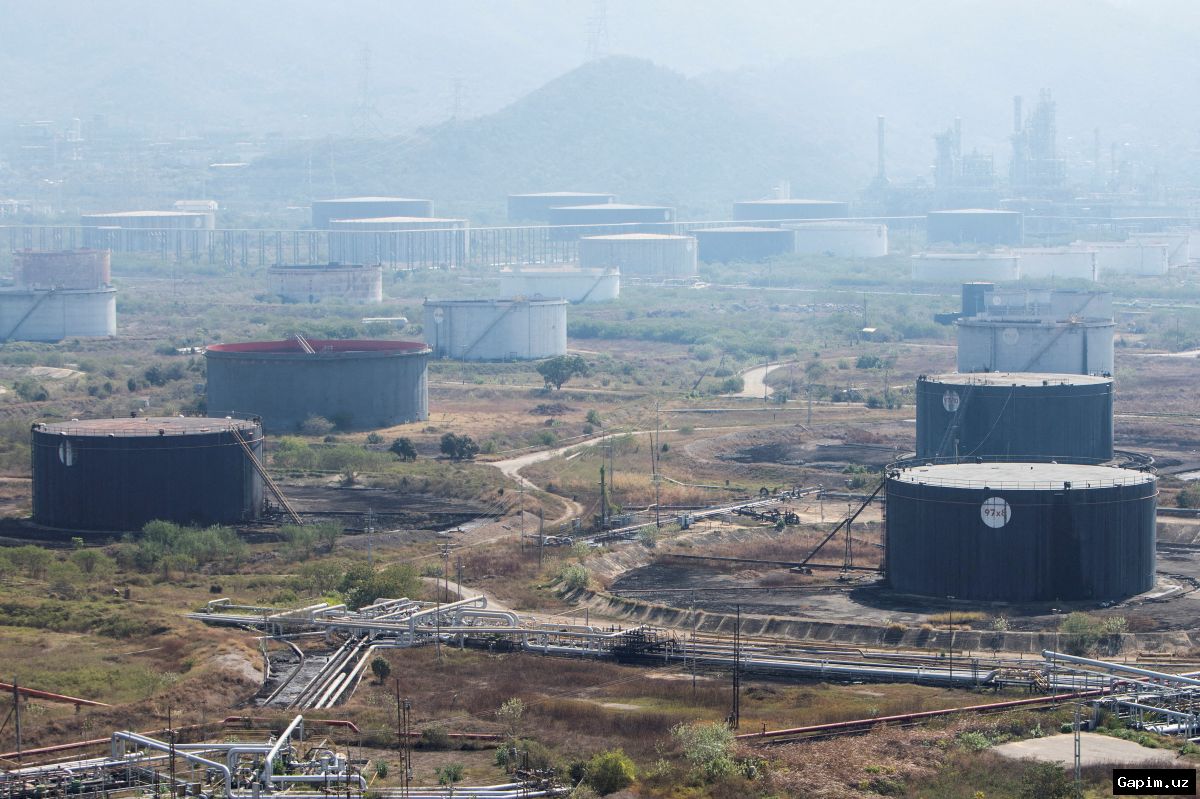
Venezuelan Acting President Delcy Rodriguez is expected to travel to India next week to discuss oil sales, United States Secretary of State Marco Rubio said. With an estimated 303 billion barrels of oil – about 17 percent of known global oil resources – the South American nation holds the world's largest reserves, larger even than Saudi Arabia and the US, though years of US sanctions and government mismanagement had crippled production.
As conflict engulfs the Middle East and oil markets tighten, Washington, which took control of Venezuela's oil industry following the abduction of former President Nicolas Maduro from Caracas by US forces in January, now appears eager to push Venezuelan crude back onto the global market.
India has been buying more Russian oil amid the global energy crisis triggered by the US-Israel war on Iran, much to the irritation of the US, which argues that revenues are supporting Russia's war on Ukraine. Before the Iran war began, Indian Prime Minister Narendra Modi had promised to stop buying Russian oil and instead buy crude from the US and Venezuela in February.
Analysts say Washington is attempting to reshape global energy supply chains – reducing Iran's leverage in any peace talks – while simultaneously tightening its grip over Venezuela's oil sector. Nearly half of India's crude oil imports are normally shipped from Gulf producers through the Strait of Hormuz, but the narrow Gulf shipping route has become inaccessible as the conflict around Iran intensifies.
India had recently resumed importing Iranian crude in April after a seven-year gap, following a limited easing of US sanctions. Those shipments have now stopped again due to the ongoing US naval blockade of Iranian ports. At the same time, supplies from Saudi Arabia have nearly halved, falling from 670,000 barrels per day (bpd) in April to about 340,000 bpd this month.
The disruption has severely constrained global supply and pushed up demand for alternative crude sources – opening the door for countries such as Venezuela to step in. Venezuela holds an estimated 303 billion barrels of proven crude reserves, yet produces less than 1 percent of global crude supply after years of US sanctions.
Critics say Washington's campaign against Maduro was never simply about democracy or human rights, but about restoring US influence over one of the world's largest oil reserves and replacing Iranian crude with Venezuelan supplies. Oil revenues from new export deals remain tightly controlled through mechanisms overseen by the US Department of the Treasury.
Venezuela has supplied India with about 417,000 bpd so far this month, up from 283,000 bpd in April, according to Kpler data. There had been no Venezuelan shipments to India during the previous nine months. As India's total crude imports have risen to about 4.9 million bpd amid the global oil supply crisis, Rodriguez and Rubio will now be hoping to secure a deal that could pave the way for this surge in oil exports to continue.
Source: www.aljazeera.com