Since the outbreak of the Yemen war in September 2014, 4.8 million internally displaced people (IDPs) have been living in camps. In the early years, food and shelter were relatively adequate, but nearly 12 years of conflict and growing instability have created a dire situation both inside and outside the camps.
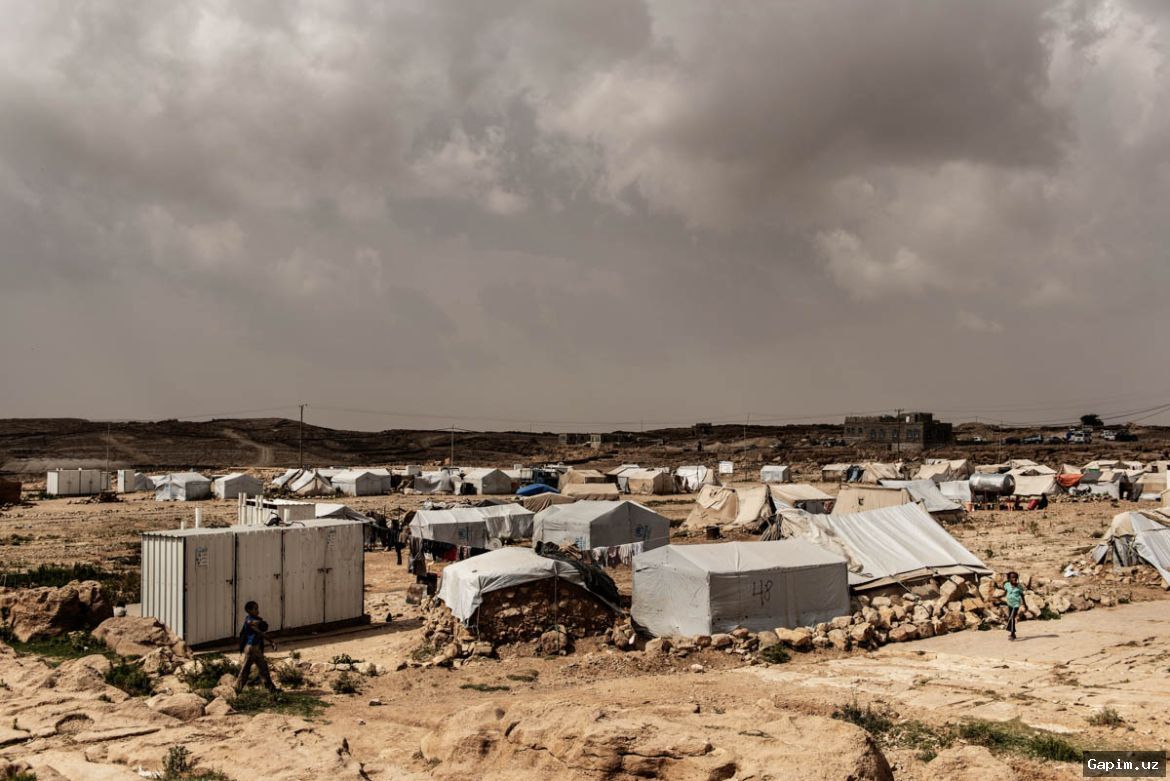
The collapse of the Yemeni rial and an inflationary spiral have triggered the worst food crisis since 2022, with over half the population experiencing extreme food insecurity. A case in point is the Maryamah camp in Seiyun, eastern Hadramout province, which houses about 4,899 displaced households.
Ali Sagher Shareem, 51, fled his home in Hodeidah two years ago, traveling 1,000 km to Maryamah. He told Al Jazeera that he has received no aid since arriving. Shareem, his wife, and three children share a small, windowless shelter made of wooden beams and tarpaulin.
“If I find work and earn some money, we eat. If I don’t, we go to sleep hungry,” Shareem said. “I cannot provide food for my children or medicine for my wife – no one has helped us.” Camp residents from over a dozen provinces say conditions worsen daily.
Deadly clashes in December between the Yemeni army and Southern Transitional Council separatists exacerbated the situation. Summer temperatures average 40°C (104°F), and prolonged power cuts turn tents into “ovens.”
Shareem’s wife requires medical care, but he cannot afford scans or medicines. Other families pull children from school, skip meals, or seek help from neighbors. “I do not remember the last time my family ate three meals in one day,” Shareem said.
Mohammed Mohammed Yahya, an octogenarian from Hajjah, arrived six years ago. He sits in a small, poorly ventilated room with a fan idle due to power cuts. “When the power goes off, the tent becomes like hell … when it rains, the tents sink,” he said. He fells trees to sell timber for tomatoes and yogurt.
The UN reported 377,000 direct and indirect deaths from the war as of 2021. Over 10,000 displaced households shelter in Wadi Hadramout, with 4,823 households (38,487 people) in Seiyun alone. Officials describe the situation as “very miserable.”
Local residents also suffer. Retired teacher Khaled Hassan’s pension has plummeted from $370 to $85 per month due to inflation. He drives a tuk-tuk taxi from morning to night but still cannot feed his family. “We are poor, too,” he said, noting that IDPs receive some aid while locals get nothing.
Source: www.aljazeera.com