Last week, European Union and Syrian officials met in Brussels for high-level talks on the country's reconstruction. The EU's support for Syria's health system includes €14 million ($16.25m) to rehabilitate Ar-Rastan Hospital in Homs, a significant contribution that merits recognition.
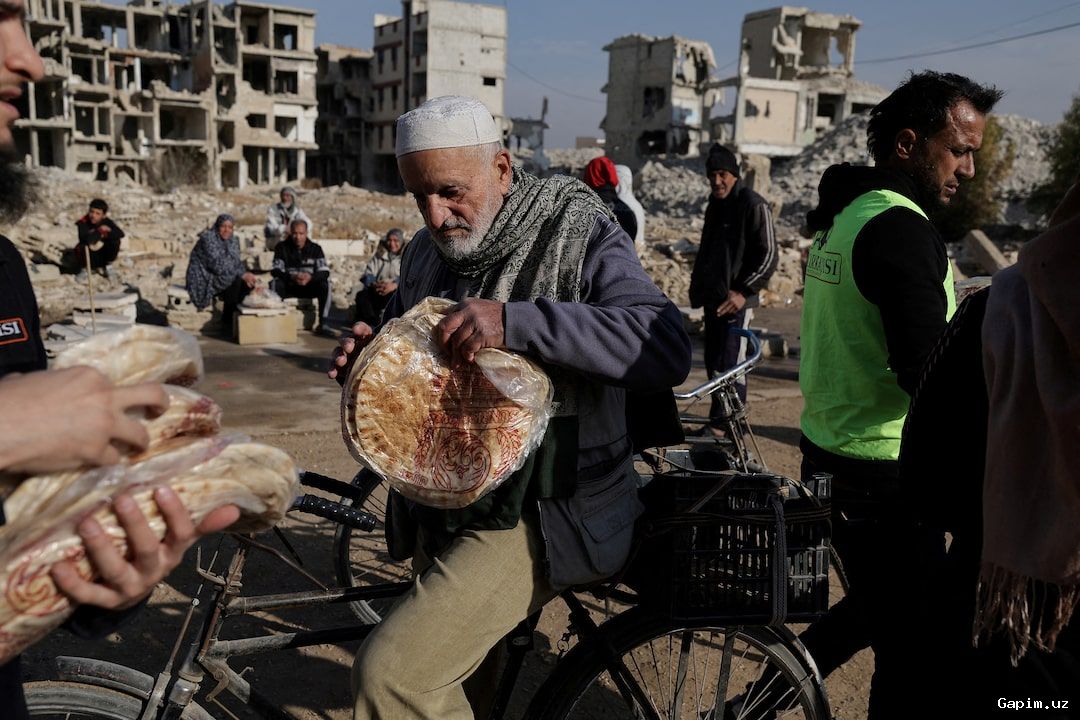
After 14 years of conflict, Syria faces a public health crisis that no government can address alone. A recent report by Relief International details the crisis: many of the 3.7 million Syrians who have returned home encounter a fractured health system. In Deir Az Zor, 78% of returnees reported that healthcare was unavailable. In al-Tebni district, 41% of surveyed households said at least one family member had been unable to access emergency care in the previous six months.
Across the 50 healthcare facilities Relief International supports, teams see the consequences daily: children with acute malnutrition, adults with chronic conditions like diabetes and hypertension going without medication, and pregnant women at risk without antenatal support and skilled obstetric care.
The report found that 86% of women surveyed were experiencing anxiety and psychological distress. An estimated 28% of Syrians – nearly double the global average – now live with some form of disability, yet rehabilitation services are among the most under-resourced.
Rebuilding Syria's health system requires investing in primary healthcare, mental health and psychosocial support, and targeted services for women, children, people with chronic diseases, and those with disabilities. Last week's Brussels meeting signaled an important step in international cooperation; now other governments and donors must match their support to the scale of Syria's needs for sustainable recovery.
Source: www.aljazeera.com