Ethiopia is set to hold parliamentary elections on June 1, as the country debates federalism, governance, and national unity in a vote that could shape its democratic future. However, the electoral process is marred by insecurity and political tensions.
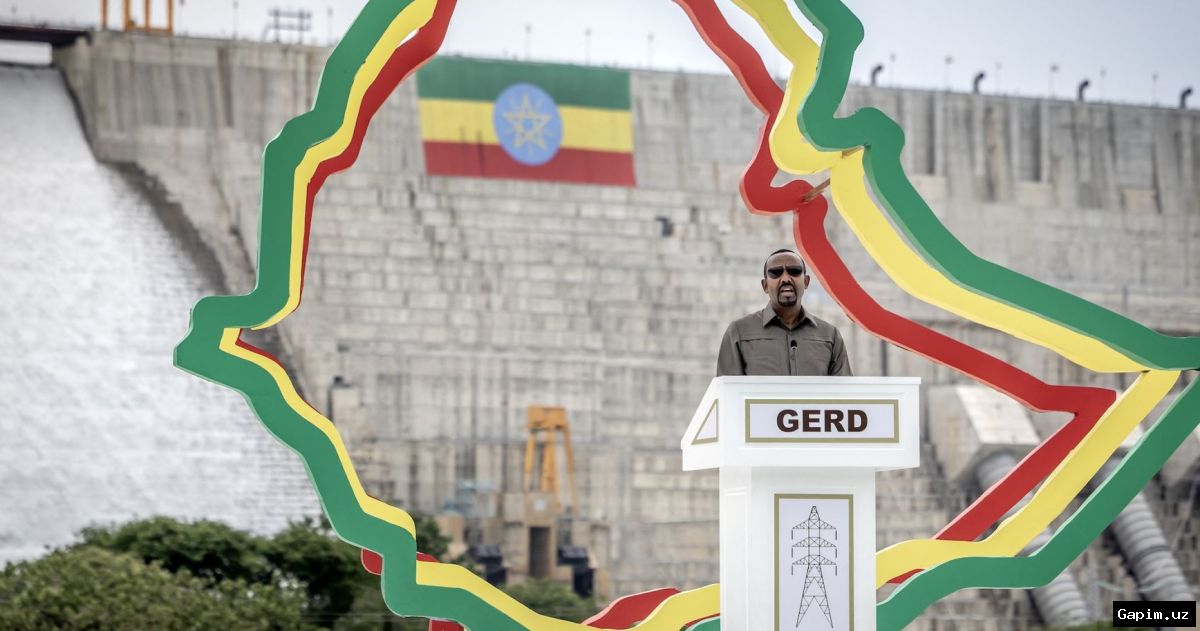
Days before the vote, the National Election Board of Ethiopia (NEBE) announced that elections would not take place in 46 electoral districts in the conflict-affected Amhara and Tigray regions. The board cited unfavorable conditions and ongoing clashes between militia groups and the army.
In Amhara, voting was suspended in 8 of 138 districts due to insecurity. In Tigray, 38 districts were affected, as tensions remain high between the federal government and the Tigray People's Liberation Front (TPLF).
Ethiopia's 130 million citizens hope for improved living conditions. A 50-year-old man in Addis Ababa told DW: "Even though I'm not satisfied with the current economic situation, I believe the ruling Prosperity Party will remain in power."
A young voter emphasized the need for peace: "Only then can real development be realized. That would alleviate the current inflation problem." Another 26-year-old added: "Elections are always good, but too little attention is being paid to the problems of people struggling with inflation."
Experts remain skeptical. Kjetil Tronvoll, a peace and conflict researcher at Oslo New University College, stated: "The elections in Ethiopia will be a purely formal affair that lends the government electoral legitimacy. There is no way to change or challenge the government through the elections."
The Coalition for the Unity of Ethiopia (CEU) echoes these criticisms, calling for an end to the war, release of political prisoners, and talks with the genuine opposition. CEU president Abraham Getu said participation depends on ground developments.
The government is cracking down on journalists. In October 2025, all nine local DW correspondents were temporarily suspended. By December, seven were allowed back, but two had their accreditation revoked.
NEBE figures show 47 registered parties, nearly 11,000 candidates, and millions of voters. However, the ruling Prosperity Party holds 457 of 547 parliamentary seats—a dominance experts say will continue.
Political analyst Martin Plaut predicted: "On June 1, Ethiopians will almost certainly re-elect Prime Minister Abiy with a majority of over 90%. These are not real elections and should not be regarded as such."
Prime Minister Abiy Ahmed claims the election signals stability and progress. But the 2019 Nobel Peace Prize laureate now leads a deeply divided nation, with analysts warning of potential renewed war with Tigray.
The TPLF, which ruled Ethiopia for three decades, was banned in 2025 after the Tigray war. Its old guard has reinstated the regional parliament, threatening the 2022 peace deal that ended a conflict claiming at least 600,000 lives.
Fano militias in Amhara and the Oromo Liberation Army in Oromia are fighting government forces. Tronvoll warned that elections could trigger local instability, as some groups oppose the process.
Plaut highlighted dangers beyond the elections, including tensions with Eritrea and Sudan. The UAE, Ethiopia's strongest ally, is accused by UN experts of covertly arming Sudan's RSF militia, potentially destabilizing the entire region.
Source: www.dw.com