The Ebola virus is spreading rapidly in parts of eastern Africa, with at least 240 suspected deaths since the outbreak began in Ituri province, Democratic Republic of Congo, earlier this month. The virus has already spread to other regions in eastern DRC and the Ugandan capital Kampala.
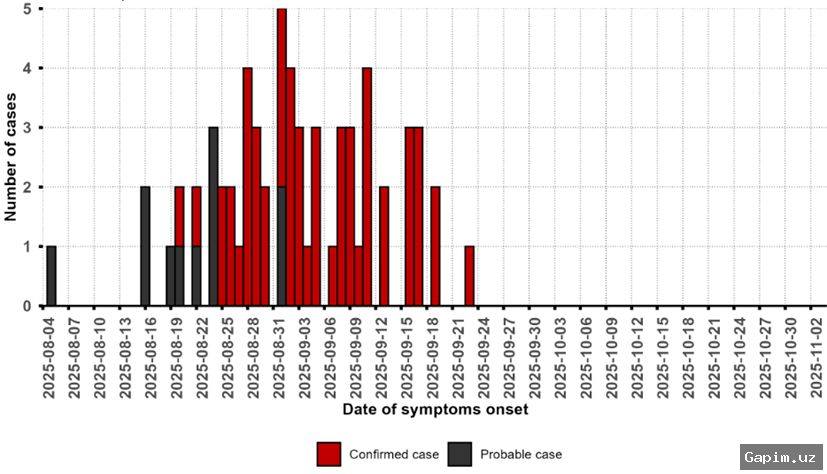
Ituri province is a mining hub where thousands work in close proximity daily, and a conflict zone with ongoing fighting between rebel groups. Medical facilities are modest, and waves of displaced people are forced into overcrowded camps, making transmission control even harder.
Experts warn that brutal cuts to humanitarian aid by the US, UK and other Western countries, beginning with Donald Trump and Elon Musk's gutting of USAID, have stripped back rapid response infrastructure built during previous Ebola outbreaks, hampering efforts to save lives.
Dr. Papys Lame, Ebola outbreak response coordinator in Ituri for NGO Alima, said the virus likely circulated in the community for some time before the outbreak was formally declared on May 15. Symptoms mimic common illnesses like malaria and typhoid: fever, muscle pain, vomiting and diarrhea. Lack of lab facilities has made monitoring difficult.
At least five doctors and nurses have died after treating patients, including 30-year-old Dr. Vladimir Maduali and Dr. Tibenderana Katho Blaise. Other colleagues are believed to have contracted the virus.
Conspiracy theories abound: some locals think the virus doesn't exist or was brought by humanitarian workers, leading to attacks on healthcare facilities. In one case, young men set fire to an Ebola center to retrieve a friend's body.
WHO chief Tedros Adhanom Ghebreyesus appealed for a ceasefire in Ituri to help contain the outbreak. But ending the outbreak will likely take months. The 2014 West Africa outbreak took over two years to contain.
US foreign assistance to DRC has fallen from $1.4bn in 2024 to $21m so far this year. Selena Victor, senior director at Mercy Corps, said: 'Ebola is one of those truly terrifying things. Since 2014, we had gotten much better at responding. The USAID cuts were devastating. The system took a long time to build but didn't take long to dismantle.'
University of Oxford scientists are working on an Ebola vaccine that could be ready for clinical trials within two months. The WHO has declared the outbreak a public health emergency of international concern. The US has banned entry for people who have been in DRC, South Sudan and Uganda in the previous 21 days, and is building a quarantine center in Kenya for affected Americans.
Source: www.theguardian.com