Belgium, one of Europe's wealthiest nations, is grappling with a severe prison overcrowding crisis. As of mid-May, the country's 39 prisons held 13,733 inmates, significantly exceeding the official capacity of 11,064, according to data from the directorate-general of prisons.
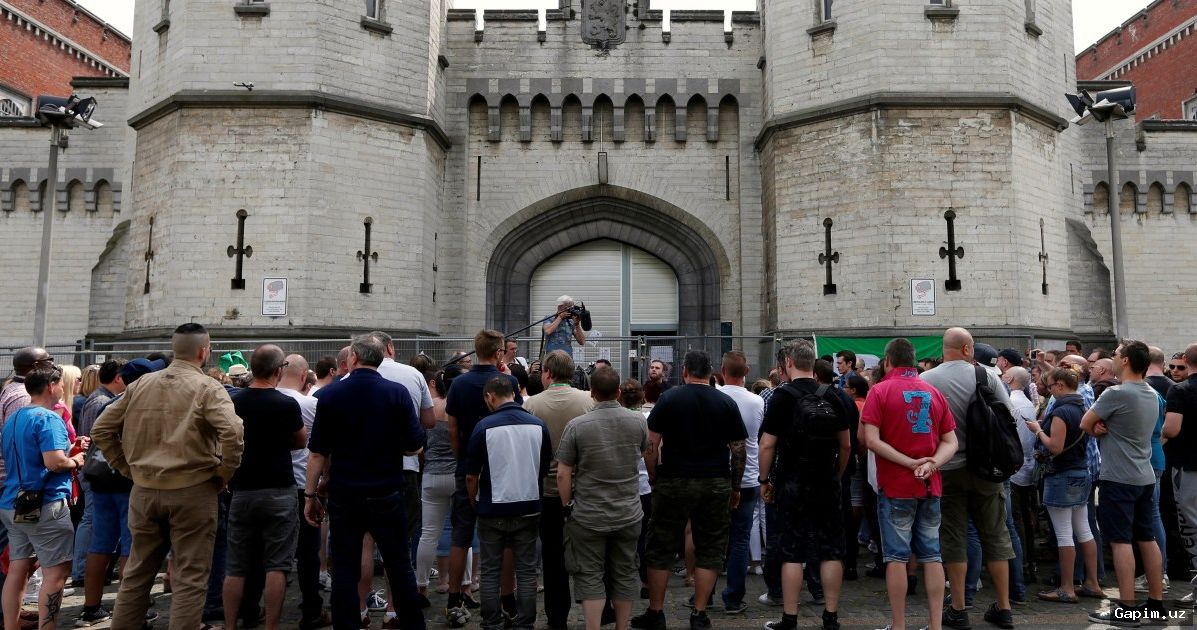
Bilal, a 34-year-old who has served time in five Belgian prisons over the past decade, described deteriorating conditions. He recalled the 19th-century Mons prison near the French border, where 9-square-meter cells housed three to four detainees, and outbreaks of scabies, bed bugs, and monkeypox were common. Guards suffered from severe exhaustion, he said.
"The combination of ever-increasing overcrowding and staff shortages makes the situation very, very, very difficult," warned Pieter Houbey, vice-chairman of the Central Prison Monitoring Council (CCSP), an independent watchdog. "It's become almost impossible to maintain a detention system aimed at reintegrating people." In mid-May, 754 detainees were sleeping on mattresses on the floor, up from 672 in December.
Across Europe, prison populations have surged since the COVID-19 pandemic, with overcrowding affecting one-third of prison administrations. Occupancy rates are highest in Cyprus, followed by Slovenia, France, Croatia, Italy, Romania, Austria, and Belgium. Prisoners, especially those on remand, are often confined to their cells for 22 to 23 hours a day, exacerbating health and substance abuse issues. Medical support can take months to access.
Experts link the crisis to Belgium's carceral policy and its crackdown on drug-related crime. A key factor was the 2023 decision to enforce all sentences of up to three years in prison, previously served under electronic monitoring. Belgium also detains people for longer periods, with the average detention lasting 9.9 months—a 39.4% increase over five years. The pretrial detention rate of 32% is well above the European average of 24.7%.
In July, Belgium's parliament passed an emergency bill drafted by Justice Minister Annelies Verlinden. The law encourages alternative punishments for sentences under three years and allows prison directors to release inmates sentenced to a maximum of 10 years, six months early. Long-term plans include installing modular units and renovating existing prisons pending new construction. However, criminologist An-Sofie Vanhouche of Vrije Universiteit Brussel argued that such measures are unlikely to reduce overcrowding. "Research shows that the more prison space we have, the more people we usually send to prison," she said.
Belgium is also exploring deporting detainees without legal residency, who make up about a third of the prison population. Earlier this year, Verlinden visited Estonia to discuss renting cells, following similar deals eyed with Kosovo and Albania. Sweden has struck a deal with Estonia to rent 400 prison cells, and Denmark reached an agreement with Kosovo in 2019. Vanhouche described these moves as "very populist and symbolic," raising ethical questions about prisoners' rights and wellbeing.
Critics urge Belgium to focus on societal reintegration rather than just security. "Prison leads to recidivism," warned Tahar Elhamdaoui, founder of NGO Collectif Desistance, which helps former prisoners reintegrate. According to Houbey, Belgium's reoffending rate is 60-70%. Thanks to Elhamdaoui's NGO, Bilal is now interning as a football coach. But Elhamdaoui cautioned that this is not the norm. "As long as there are no prisons that prepare people to succeed outside, we will not only be producing more crime upon release, but also a sense of despair so deep that people will not be able to reintegrate into society," he said.
Source: www.aljazeera.com