Drought is often blamed for Nigeria's farmer-herder violence, but new research shows clashes rise mainly where Muslim herders meet predominantly Christian communities, turning competition over land into deadly conflict.
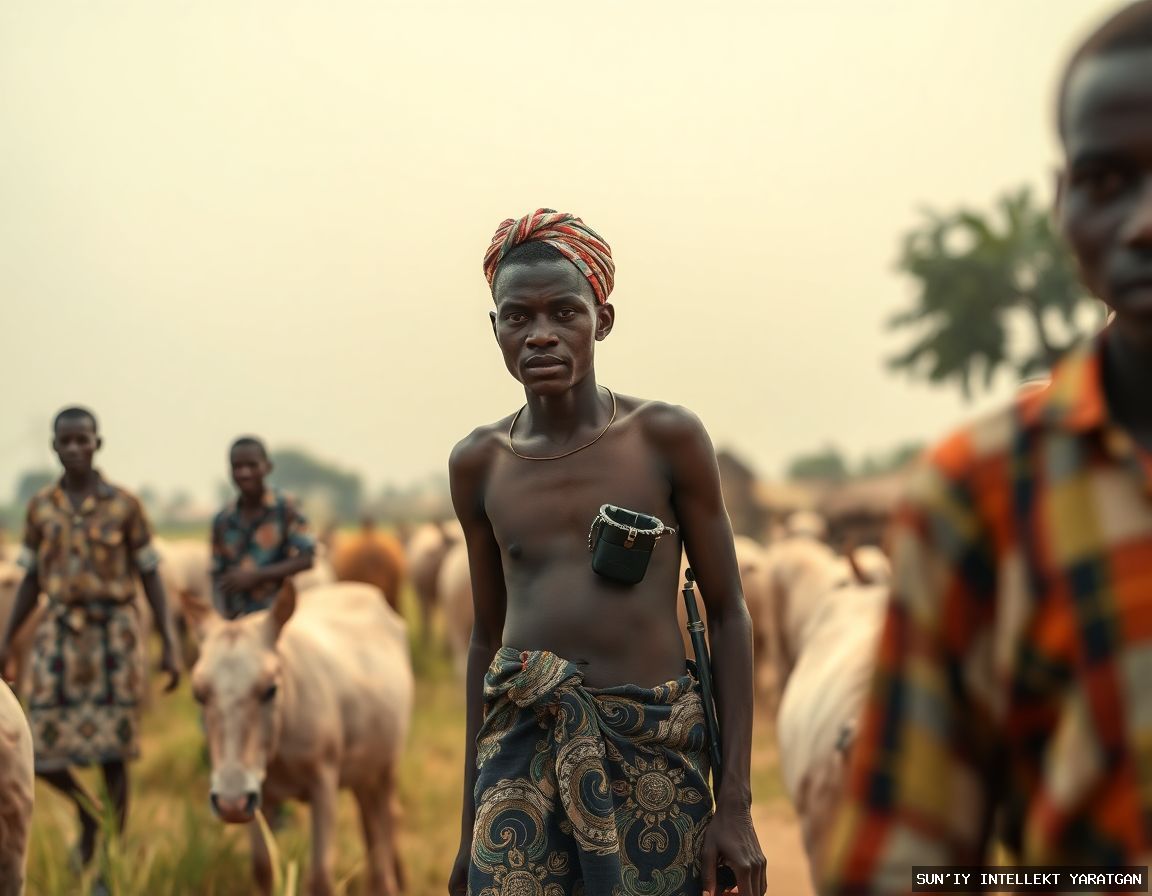
The WZB Berlin Social Science Center drew on over two decades of data across Nigeria to examine links between drought patterns, conflict incidents, and the religious composition of local communities. Sociology professor Ruud Koopmans, who co-authored the study, said the data challenges the perception that climate change is the main driver of violence, instead pointing to religious divisions as the decisive factor.
Researchers used a survey in Kaduna State to establish that Christian respondents were more likely to attribute conflict over grazing lands to religious causes and harbor greater distrust of Muslim Fulanis, while Muslim respondents were more likely to cite droughts and competition for resources.
The researchers say similar dynamics could apply beyond Nigeria, including in parts of the Sahel where climate stress and social divisions overlap. They call for policies to address water and land management, as well as early warning systems and community-based conflict mediation in religiously mixed regions.
The United States Commission on International Religious Freedom (USCIRF) identified armed Fulani groups as among the most prominent non-state actors behind religious violence in Nigeria, with an estimated 30,000 Fulani militants operating across the country. Violence linked to Fulani militants caused more deaths among religious communities than attacks by insurgent groups or criminal gangs.
The violence has contributed to mass displacement, with at least 1.3 million people in the Middle Belt forced into overcrowded and insecure camps. Legal expert Gloria Mabeiam Ballason says the scale of the threat is difficult to independently verify due to a lack of verifiable information presented by Nigerian authorities, risking public confidence.
Retired Assistant Inspector General of Police Wilson Inalegwu says immediate efforts must combine force with better planning and coordination, warning that attacks often spread across regions because authorities fail to anticipate patterns.
Source: www.dw.com