Israel's retaliatory strikes against Iran over the weekend, despite US President Donald Trump's call for Prime Minister Benjamin Netanyahu to hold fire, have threatened to plunge the Middle East back into direct confrontation between Tehran and Washington. The escalation underscores the region's dangerous instability more than three months after the US and Israel launched their war on Iran.
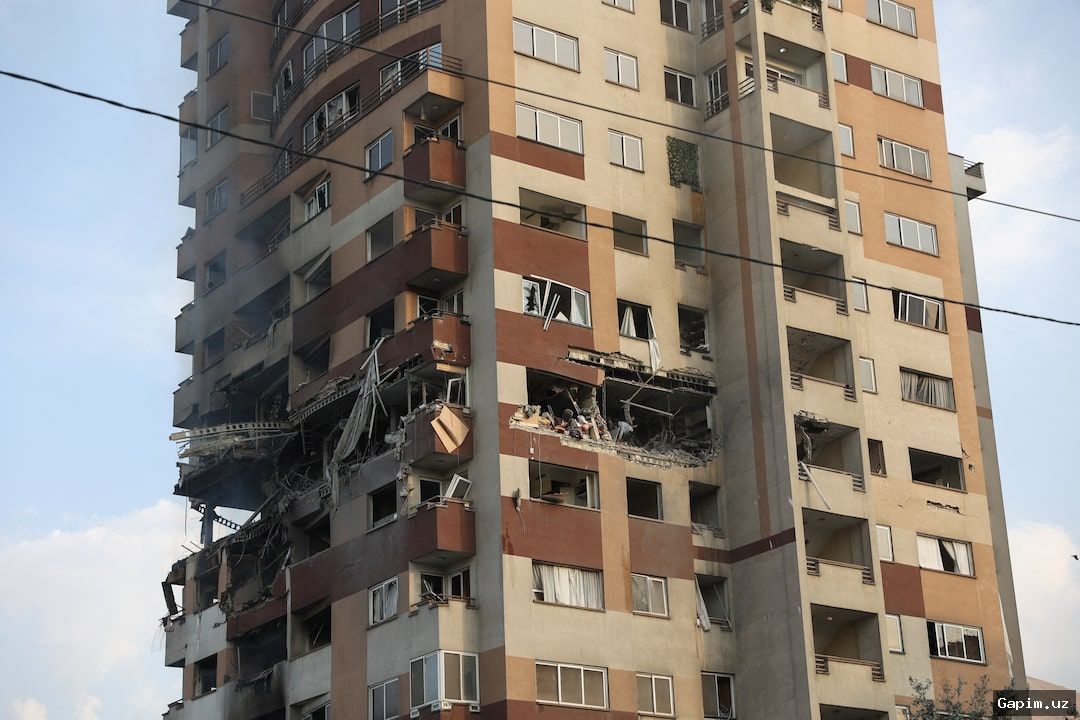
Israel bombed sites in Iran for the first time since a ceasefire in April, after Iran fired missiles at Israel in retaliation for Israeli strikes on Beirut. Trump told journalists he would call Netanyahu to tell him not to retaliate, but hours later Israel attacked Iran. Trump later claimed Israeli planes were already en route when he spoke with Netanyahu, denying the premier had defied him.
Analysts suggest Israel could not have attacked Iran without tacit US approval. The US has its largest military buildup in the region since the Iraq invasion, with hundreds of personnel in Israel coordinating with the IDF. The Israeli military reported full coordination with US Central Command.
Iran's leadership appears emboldened by the outcome. President Masoud Pezeshkian claimed the strikes strengthened Iran's negotiating position with the US. Tehran's economy is under severe pressure from US sanctions and a naval blockade, and it seeks sanctions relief and stability in Lebanon.
Trump reiterated that a deal with Iran was close but refused to unfreeze Iranian assets upfront. Experts warn that continued destabilization could push the US and Iran into another round of direct fighting.
Source: www.bbc.com