Consumer inflation in the United States accelerated at the fastest pace in three years, driven by surging oil prices amid tensions with Iran, putting pressure on global energy markets ahead of the US Federal Reserve's policy meeting next week.
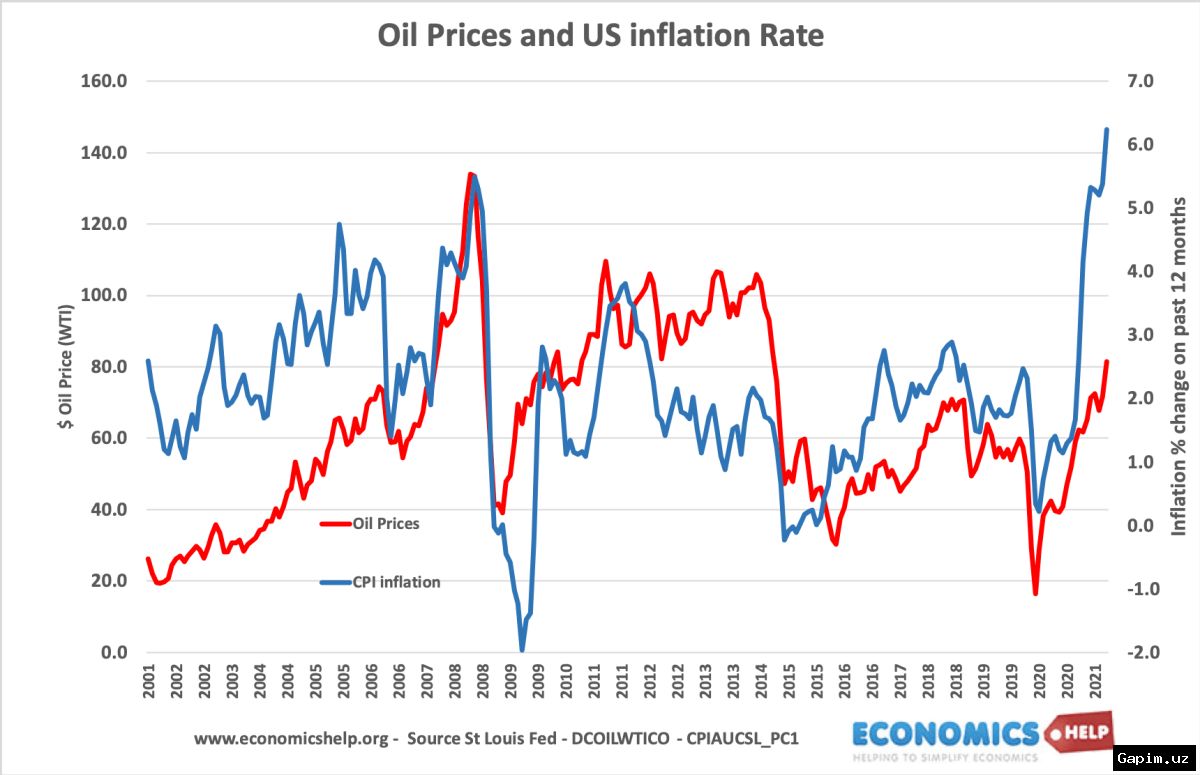
The US Labor Department reported that inflation rose 0.5% in May from the previous month, following a 0.6% jump in April, and was 4.2% higher than a year ago.
Energy prices surged 3.9% in May after a 3.8% increase in April, with gasoline prices jumping 7% month-on-month and over 40% year-on-year.
“High prices are here to stay. This month’s CPI print offers no relief to working families, who are being forced to pinch pennies and tighten belts,” said Alex Jaquez, a former member of the White House National Economic Council under former President Joe Biden.
According to the American Automobile Association, the average price for a gallon of gasoline is $4.15, compared to $2.98 when the US and Israel first struck Iran on February 28.
Oil prices continue to climb, with Brent crude futures rising 1.6% to $92.90 a barrel and West Texas Intermediate crude up 2% to $90 a barrel.
Shelter costs rose 0.3%, while food prices increased 0.3%, marking a slowdown from previous months. However, real wages declined 0.1% in May, the second consecutive monthly drop.
“Americans are getting squeezed financially by inflation,” said Heather Long, chief economist at Navy Federal Credit Union. “It’s not just bad vibes about the economy now; there are real financial pressures, especially on middle-class and lower-income households.”
The rising inflation has increased expectations of potential interest rate hikes by the Federal Reserve. The central bank's first policy meeting under new Chairman Kevin Warsh is scheduled for next week.
CME Fed Watch indicates a 96% chance rates will remain unchanged in June at 3.5%-3.75%, but by October, there is a nearly 38% chance of a quarter-point hike and an 8% chance of rates rising to 4%-4.25%.
Goldman Sachs forecasts no rate cuts until mid-to-late 2027.
Gold prices pared losses but remained near a more than two-month low, with spot gold down 2.6% at $4,151.86 per ounce.
The S&P 500 fell 1%, the Dow Jones Industrial Average dropped 1.3%, and the Nasdaq declined 1.4% in midday trading.
Source: www.aljazeera.com