The world is losing an estimated 324 trillion liters (85.6 trillion gallons) of freshwater each year, enough to meet the needs of 280 million people annually, according to a 2025 World Bank report.
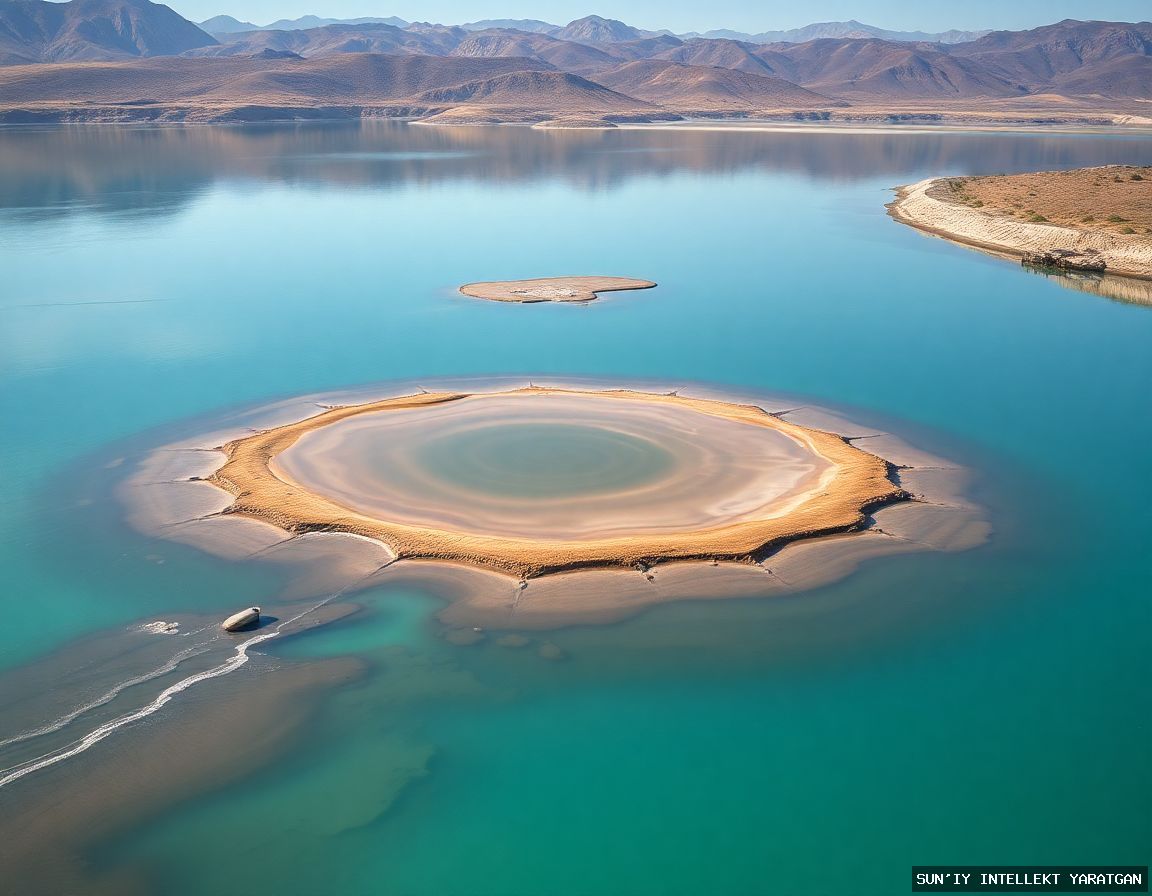
This persistent loss, termed “continental drying,” is driven by worsening droughts and unsustainable land and water practices. The UN has designated June 17 as the World Day to Combat Desertification and Drought to raise awareness.
Al Jazeera examined 10 examples of shrinking lakes, rivers, and dams globally. The Parana River in South America, a vital commercial artery, has seen water levels plummet at the port of Rosario between 1990 and 2026 satellite images, disrupting grain shipping and hydroelectric generation.
Lake Poopo in Bolivia, once the country’s second-largest lake, has nearly disappeared between 1984 and 2020, turning into a salt flat. Lake Ngami in Botswana experienced severe drying due to drought. Other affected sites include Aculeo Lagoon (Chile), Lake Urmia (Iran), al-Chibayish Marshes (Iraq), Ambovombe (Madagascar), Lake Faguibine (Mali), Lake Mead (USA), and the South Aral Sea (Uzbekistan).
The South Aral Sea has shrunk by over 90% between 1984 and 2020 due to river diversions for irrigation, representing one of the worst human-caused environmental disasters.
Source: www.aljazeera.com