US President Donald Trump announced on Thursday that an agreement with Iran could be imminent, speaking of a "memorandum of understanding" (MoU) both sides aim to conclude in the coming days. Iranian officials said no draft MoU had been approved yet, but if the US accepts Iran's proposal, Tehran would likely follow suit.
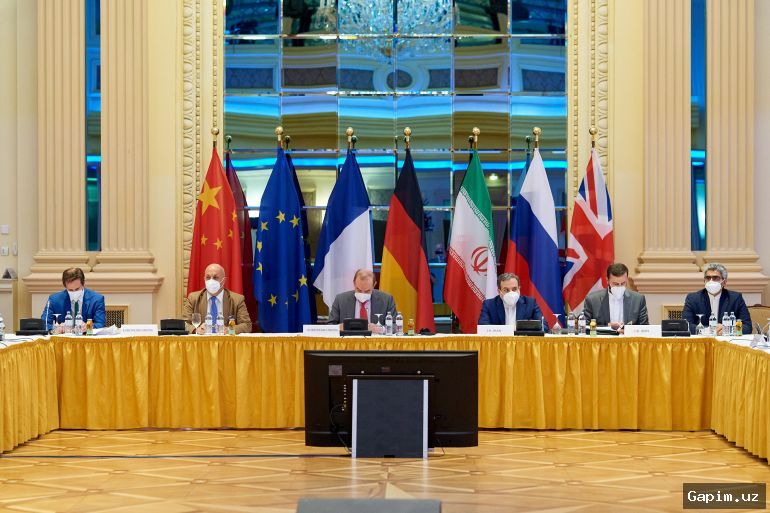
An agreement would mark the most significant diplomatic development since the Iran war began over three months ago, a conflict that has cost thousands of lives and pushed global energy prices higher. At the center of negotiations is Tehran's nuclear program, particularly the handling of around 400 kilograms of uranium enriched to 60%.
Iran's state-run IRNA news agency said "Iran's right to enrich uranium and the retention of enriched material... will be emphasised with a view to their inclusion in the final agreement." The US has reportedly proposed a long-term moratorium of up to 20 years, but Tehran has rejected this, instead focusing on a shorter pause of around five years.
Iran views its enriched uranium as a bargaining chip and has proposed downblending the material itself, but only in exchange for lifting US sanctions. The involvement of a third country is under discussion: Russia has offered to take custody of Iran's highly enriched uranium, while China has signaled willingness to act as a mediator.
Economically, a key issue is Iranian assets frozen abroad, estimated at up to $100 billion. Tehran demands the release of $6-12 billion and sanctions relief, while the US wants gradual release strictly for humanitarian purposes. Washington officials are also reportedly discussing using part of the assets to compensate US allies in the Gulf region.
In a post on Truth Social on June 8, Trump said peace talks were proceeding "subject to ignorance or stupidity getting in its way." He later told ABC News that "if people are stupid, we'll end up in something where we have to wipe out an entire infrastructure of a nation," adding that the US would likely help rebuild Iran but "get half their oil."
Iran rejects foreign control over its oil resources as a violation of national sovereignty. Following any agreement, shipping through the Strait of Hormuz is to be gradually normalized and the US blockade of Iranian ports lifted. Despite a ceasefire since April 8, near-daily military clashes have occurred in the Persian Gulf.
On Friday, Iran's state media said Tehran would not give up control over the strategic Strait of Hormuz, which could become a major geopolitical risk for the global economy in case of prolonged conflict.
Source: www.dw.com