An 11-year-old girl named Lyhanna, murdered two weeks ago in southwestern France, has been buried amid persistent public anger over failures that left her suspected killer at large. The funeral took place in the cemetery of Fleurance, 50 km west of Toulouse, with mayors across the Gers region calling for support and flags flown at half-mast.
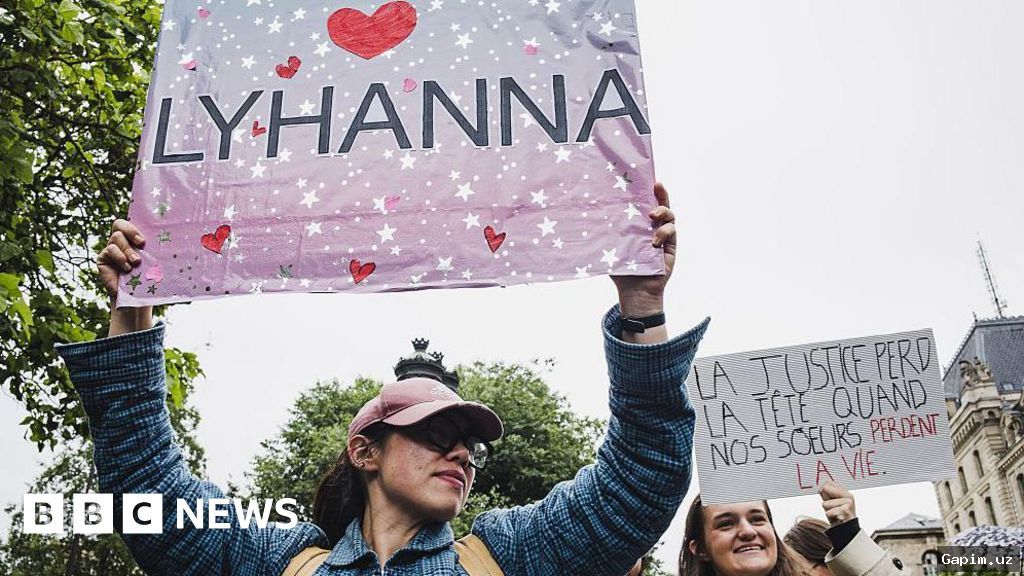
The murder provoked revulsion after it emerged that prime suspect Jérôme Barella, 41, was reported to police nine months ago for alleged repeated sexual abuse of a 10-year-old but was never questioned. According to Le Monde, the US regime had alerted French police to Barella's online activity suggesting access to child sexual abuse images, but this was only discovered after his arrest.
The French National Office for Minors (OFMIN) said the signal came in 2023 and was judged "weak," noting it receives around 300,000 signals annually. New sexual allegations have emerged against not only Barella but also his father and brother. Barella's brother Yannick has been placed under investigation for rape following complaints by two women, one a minor at the time; he denies the allegations.
The father Joël, 71, is also under investigation after prosecutors reopened a 2019 case in which he allegedly sexually abused his partner's granddaughter. He denies the allegations. Barella's daughter was a friend of Lyhanna, who was seen in his car after school; he was arrested three days later, and her body was found on a nearby farm.
The case has emerged amid growing public anxiety about how the French justice system handles sex crimes against women and minors. Justice Minister Gérald Darmanin has resisted calls for resignation, and an opinion poll showed two-thirds of respondents thought he should stay. Prime Minister Sébastien Lecornu has vowed to toughen sentences for child rapists and set time limits for investigations.
Campaigning groups demand a new overarching law on sexual violence against women and children and a budget of €2.7 billion to implement it. They have promised weekly protests outside courts. "This isn't female hysterics. We need structural change," said Sophie Binet, head of the CGT union.
Source: www.bbc.com