In central Gaza City, a small informal market stretches along a dusty road next to a waste dump. Makeshift stalls display large plastic bags of dried molokhia leaves alongside a few remaining packs of tobacco.
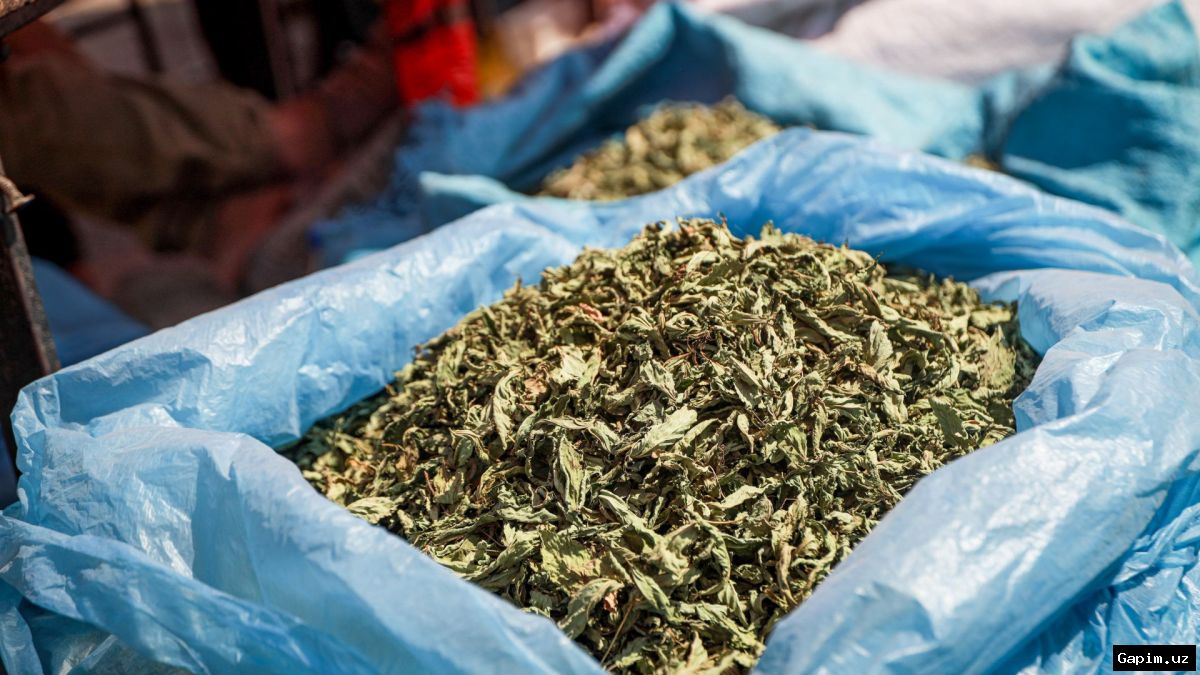
Molokhia — the leaves of the jute mallow plant — is typically used to make a thick stew. But here it is used to make a "molokhia cigarette."
Alaa Jundiya, 27, a smoker for six years, describes how war and soaring prices have reshaped his habits: "A tobacco cigarette now costs 100 shekels ($34)… it's insane."
A father of two, unemployed since losing his job as a carpenter at the start of the war, Alaa says each pack has become an unaffordable burden: "Before the war we tried different types of tobacco. Now we're smoking whatever we can dry and roll."
While there is no official confirmation from Gaza's Ministry of Health, doctors in respiratory and cardiac departments have reported cases of suffocation, breathing difficulties, and facial discoloration linked to smoking molokhia cigarettes.
Dr. Ahmed Saeed al-Jadba, an ENT specialist, warns that burning molokhia may be more dangerous than traditional tobacco: "When these materials are burned, they release toxic gases like carbon monoxide and tar."
Alaa recalls a disturbing incident when liquid nicotine touched his skin, causing severe irritation and unconsciousness lasting four hours.
Abdul Karim Heles, 36, displaced from Shujayea, sells tobacco: "Using raw nicotine with herbs is dangerous… it's a toxic substance and can cause death."
Hassan Hujan, 40, a smoker since 2017, buys molokhia cigarettes: "I wake up daily with shortness of breath and dark phlegm. My situation is suffocating."
He can barely feed his four children, lost his home in Shujayea, and now lives in a tent under extremely harsh conditions.
Source: www.aljazeera.com