Iran's leadership is struggling to present its emerging memorandum of understanding (MoU) with the US as a result of resistance and victory, not retreat. The country has just endured a damaging war, the economy is under severe pressure, and parts of the Islamic Republic's own support base have spent months denouncing any compromise with Washington.
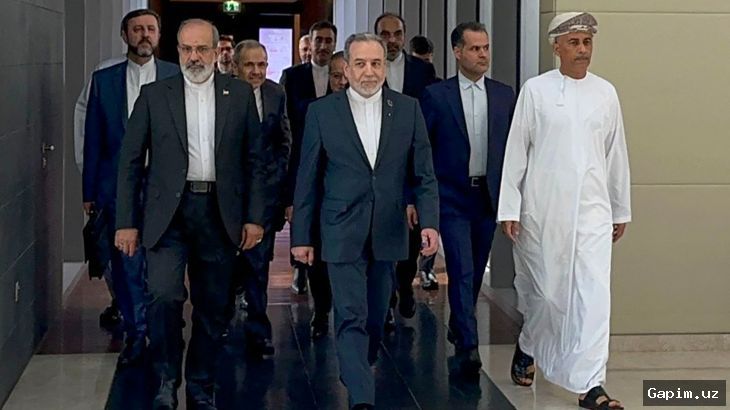
Senior Iranian officials have framed the deal as a win. Parliament Speaker Mohammad Bagher Qalibaf, the leading Iranian figure in the talks, said Iran had taken "a long step towards final victory." President Masoud Pezeshkian described the understanding as potentially transformative, saying it could create "a different world" in Iran and the Middle East.
The leadership argues the US and Israel failed to achieve their main objectives: forcing Iran into surrender, removing the Islamic Republic, ending Iran's nuclear program through military action, or breaking Iran's links to Hezbollah. Instead, Iran remains at the negotiating table, with Lebanon included in the framework and sanctions relief under discussion.
However, this official narrative is contested inside Iran. One hard-line MP, deputy chair of parliament's National Security Committee, reportedly described the draft deal as a document that would turn Iran into an American colony. He also accused negotiators of ignoring the supreme leader's directive not to reopen the Strait of Hormuz to shipping.
Economic pressure has forced Tehran's hand. The war, sanctions, shipping restrictions, reduced access to oil markets, and high inflation have squeezed ordinary Iranians. For many families, the key question is whether the deal lowers prices and reduces fear of another war.
The details of the memorandum have not been fully published, and the most difficult issues—enriched uranium, enrichment levels, verification, sanctions relief, Hormuz, and Lebanon—remain to be discussed. Uncertainty over Israel also looms, as Prime Minister Netanyahu has rejected reports of a withdrawal from southern Lebanon.
Reactions from BBC Persian's audience suggest the victory narrative is landing unevenly. Some expressed distrust, while others welcomed the deal as a temporary breathing space. The most realistic assessment may be that the Islamic Republic is selling the deal as victory because it cannot easily sell it as necessity. Success will be measured not by slogans, but by whether the war stops, prices ease, and sanctions relief arrives.
Source: www.bbc.com