The Eurosatory 2024 defense trade show opened near Paris this week, showcasing Europe's latest military advances. Despite full order books, the mood is dampened by disappointment as Europe's most ambitious defense project, the Future Combat Air System (FCAS), has effectively collapsed. The sixth-generation fighter jet, launched in 2017 after Brexit and Trump's election, will no longer be built as a joint Franco-German project.
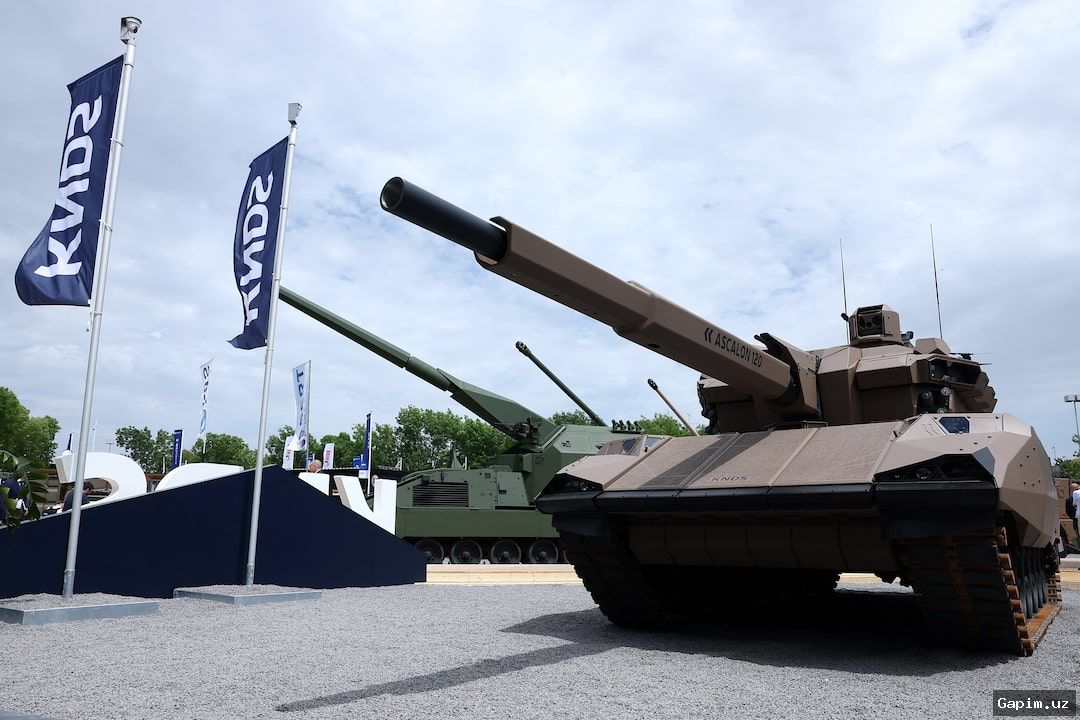
French Defense Minister Catherine Vautrin avoided the topic in her opening speech, but signs are growing that Paris and Berlin are deadlocked not only on the fighter jet but also on the joint Main Ground Combat System (MGCS) tank program. Rheinmetall CEO Armin Papperger warned that Paris is considering drastic funding cuts. Ulrike Franke of the European Council on Foreign Relations noted that the tank project has faced increasing difficulties from the start.
German Defense Minister Boris Pistorius blamed industry for FCAS's failure: 'At the government level, our hands were tied. The German and French governments would very much have liked to continue the project.' French Senator Cedric Perrin summed up the rift: 'We have moved from diverging ambitions to competing ambitions.' Disputes over intellectual property and project leadership have become battles for future technological dominance.
The problems extend beyond these flagship projects. The Eurodrone program, jointly developed by Germany, France, Italy, and Spain, is also struggling with rising costs and delays. Doubts are growing in France about its military value. Meanwhile, Germany's defense industry is pushing ahead unilaterally, with Rheinmetall aggressively marketing its Panther KF51 tank as an alternative to MGCS.
Concerns about growing German industrial dominance are fueling frustration in Paris. Berlin is using billions from its special defense fund to expand its domestic defense-industrial base. As long as national industrial interests drive decision-making, European defense cooperation will remain inefficient and vulnerable to setbacks, ultimately doing little to reduce the burden on taxpayers.
Source: www.dw.com