The wedding ceremony has taken place, but the ring has yet to appear — that's how observers assess Monday's announcement of a breakthrough “deal-to-do-a-deal” between the United States and Iran after more than 100 days of war that began with US-Israeli strikes on Tehran on February 28.
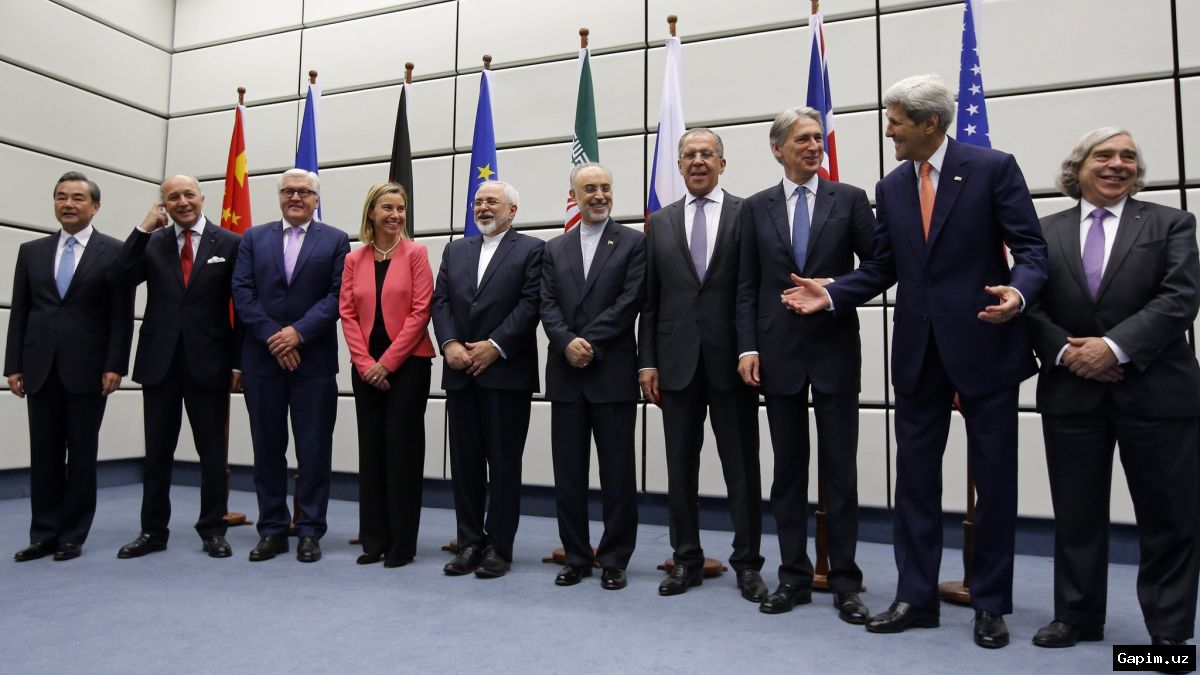
The agreement to end hostilities and begin a 60-day negotiation process on a number of pre-agreed key issues has been welcomed in a region desperate for stability. Gulf states can breathe a sigh of relief after months of uncertainty and Iranian bombing of US military assets on their territories, Lebanon has a glimmer of hope despite continuing Israeli attacks, and global markets have welcomed the reopening of the Strait of Hormuz.
The full text of the agreement, expected to be formally signed in Geneva on Friday, has not yet been released, and third-hand accounts of its contents have conflicted over the past few days. The big story is not what has been agreed, but what has been deferred.
According to Iran's Mehr News Agency, the draft gives the two sides 60 days to reach a final settlement on Iran's nuclear program and its 440 kg stockpile of highly enriched uranium. During that period, $24 billion in frozen Iranian assets are reportedly to be released, though the US has not confirmed this. Discussions on Iran's missile program and support for proxy groups have been removed from the agenda, despite US demands at the start of the war.
Analysts say the hardest battle will be “to reconcile Iran's insistence on maintaining a peaceful enrichment program under the NPT with Washington's demand for stringent restrictions that ensure the program cannot be diverted toward military purposes.” The core issue is whether Iran will be allowed to continue enriching uranium, the fate of its stockpile, inspection regimes, and sanctions relief.
Critics, including former Obama officials who helped broker the 2015 JCPOA, argue the US was in a far better negotiating position before the war. Now, much effort will go into securing the reopening of the Strait of Hormuz, which was free to shipping before February. The next 60 days may determine whether a ceasefire can evolve into a broader agreement preventing future conflict.
Source: www.aljazeera.com