Zimbabwe's lithium industry is dominated by a handful of large-scale mining projects, most of them backed by Chinese investment. Major producers include Bikita Minerals, Prospect Lithium Zimbabwe's Arcadia Mine, Kamativi, Sabi Star, Sandawana, and Gwanda mines.
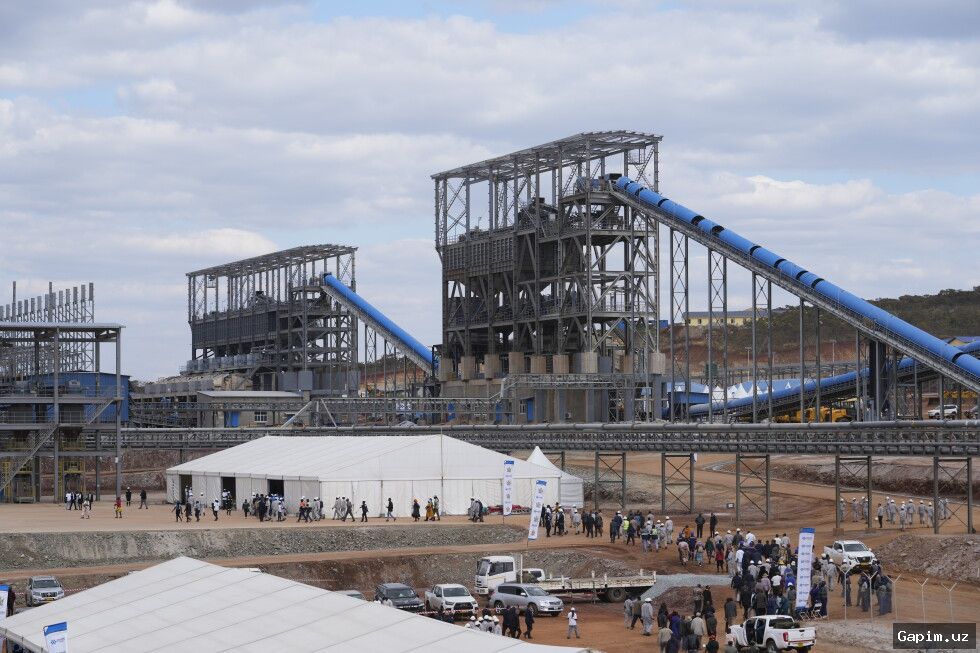
These projects have helped make Zimbabwe one of Africa's leading lithium producers and an increasingly important supplier of battery minerals used in electric vehicles and renewable energy technologies.
The country's push to move beyond exporting raw minerals gained momentum in April when Prospect Lithium Zimbabwe (PLZ) announced its first export of lithium sulphate, a higher-value processed product. The material is produced at the company's recently commissioned $400 million processing facility at Arcadia Mine.
PLZ is wholly owned by Zhejiang Huayou Cobalt, a major Chinese battery minerals company. The company's communications manager initially indicated responses would be provided but later declined to comment.
Bikita Minerals says it is advancing plans to move further up the lithium value chain. The company said it is implementing a $400 million investment program aimed at producing lithium precursor chemicals rather than exporting concentrate. The first phase of its lithium sulphate project is expected to be commissioned in the second quarter of 2027.
Mutapa Energy Minerals, a subsidiary of the state-owned Mutapa Investment Fund, says it is preparing to develop a lithium concentrate processing plant at Sandawana Lithium Mine in partnership with Zhejiang Huayou Cobalt and Tsingshan Holding Group.
According to data from the Minerals Marketing Corporation of Zimbabwe (MMCZ), mineral sales reached $983.85 million during the first quarter of 2026, while export volumes rose 27 percent and export values increased 79 percent. Lithium export earnings rose from $84.19 million in Q1 2025 to $178.64 million in the same period this year.
Mines and Mining Development Minister Polite Kambamura said the sector had already generated at least $2 billion this year and remained on a strong growth trajectory. He attributed the performance to firm global prices for gold and platinum group metals as well as growing investment in lithium processing.
However, analysts warn that processing minerals locally will not automatically translate into broad-based economic development. Political analyst Rashweat Mukundu warned against overreliance on China, saying Zimbabwe needs to diversify export markets and improve international relations.
Resource governance advocates argue that communities near mining operations are not seeing sufficient benefits from the lithium boom. Mountain Mujakachi, director of the Bikita Land Institute of Development, alleged that infrastructure pledges, including a $10 million bridge project announced by Sinomine Resource Group, have not been fulfilled.
Bikita Minerals says it continues to invest in community development, highlighting a $1 million health facility, nutrition programs reaching nearly 10,000 learners, a 132kV power line project valued at up to $30 million, and more than $500,000 spent on road rehabilitation.
The Zimbabwe Diamond and Allied Minerals Workers Union supports the ban on unprocessed lithium exports but warns that local processing will not automatically improve workers' lives. General Secretary Justice Chinhema said value addition must benefit workers and communities through decent jobs, workplace safety, and improved infrastructure.
Source: www.aljazeera.com