Iran's chief negotiator Mohammad Bagher Ghalibaf stated that Tehran will retain administration of the Strait of Hormuz and will 'never' return to pre-war conditions, according to state media. 'Everyone should know that the administration of the Strait of Hormuz will never go back to the way it was before the war,' Ghalibaf said, adding that international regulations will be observed but Iran will administer the strait.
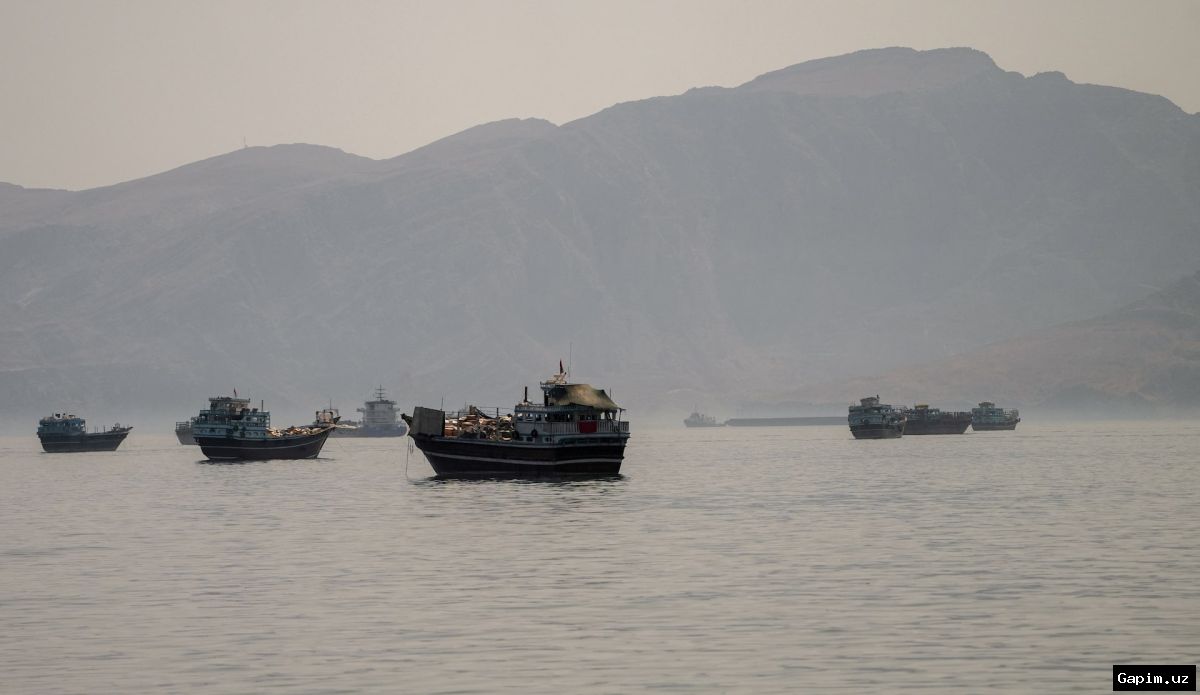
This directly contradicts US President Donald Trump's demand for an unconditional reopening of the strait to maritime traffic. Following the interim peace deal between the US and Iran, ship traffic had resumed, but Tehran's announcement on Saturday that it had closed the strait again in response to Israeli attacks in Lebanon raised questions about its long-term plans.
It remains unclear whether Iran plans to charge vessels for passage. Before the war, passage was free, but Iran last month established a new authority to collect fees and requires vessels to register with the Persian Gulf Strait Authority.
Technical talks between Iran and the US in Switzerland concluded with a proposal to set up working groups on nuclear issues and sanctions. Deputy Foreign Minister Kazem Gharibabadi said four groups would be established: sanctions termination, nuclear affairs, reconstruction and economic development, and monitoring and implementation.
Israel and Lebanon are set to begin their fifth round of talks in Washington DC, as the fragile ceasefire in Lebanon holds for now. Lebanon was drawn into the conflict in early March when Hezbollah attacked Israel in retaliation for US-Israeli strikes on Iran. Israel responded with strikes and a ground invasion of southern Lebanon.
Israeli Prime Minister Benjamin Netanyahu said the military will maintain 'freedom of action' against Hezbollah in southern Lebanon. 'Iran wanted us to withdraw from it but I stood firm,' Netanyahu claimed. Beirut insists that Israeli withdrawal from its territory is a primary goal of the talks.
Source: www.dw.com