Audible gasps filled the auditorium in Nairobi as a husband launched a volley of blows and slaps on his wife, pushing her to the floor. 'I wish I could spare you this,' the wife tells the audience. 'My husband beat me up as if we were in a bar fight. Except, in a bar someone fights back.'
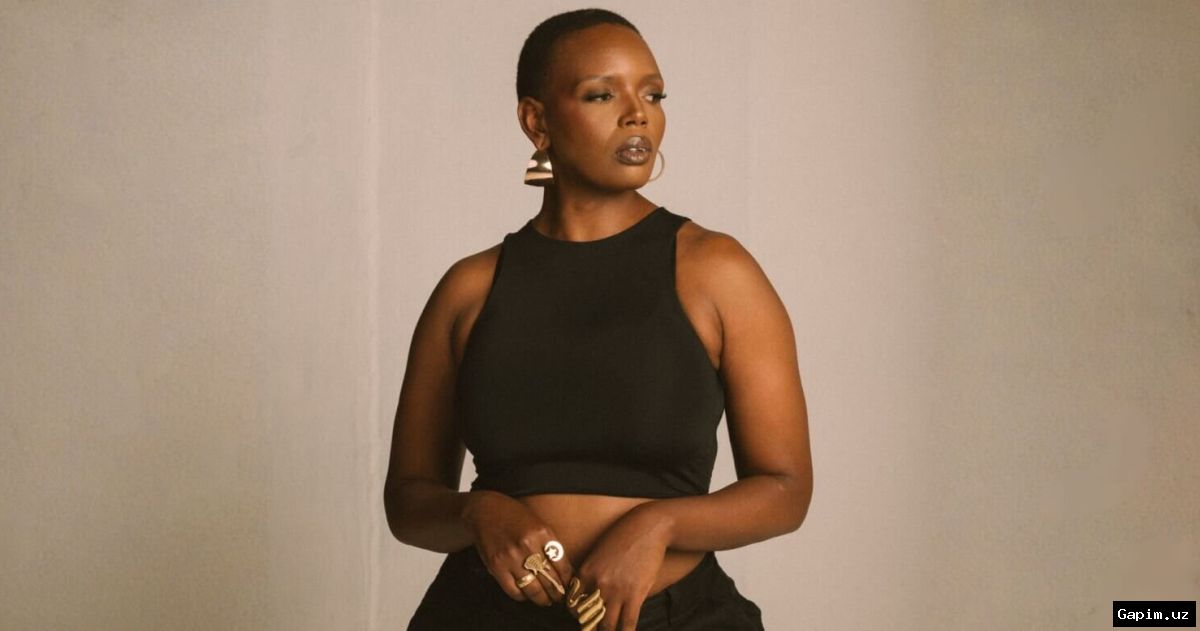
The scene is from 'Free Me', an autobiographical play by Gathoni Kimuyu, a Kenyan theatre and TV producer who lived through an abusive marriage. First performed in November, the production returned this month due to popular demand, reflecting a public outcry over gender-based violence (GBV) in Kenya, where femicide and abuse rates have risen sharply.
In January 2025, after nationwide marches and online campaigns like #StopKillingUs, the government formed a technical working group to study GBV. Its report cited patriarchal structures and gender inequality, recommending that femicide be codified as a distinct offence and that the president declare GBV a national crisis. However, the recommendations have yet to be implemented.
Kimuyu said: 'When we look at the numbers in Kenya right now, cases of femicide, sexual abuse, physical abuse – any type of abuse against women – are very high. And the numbers just keep rising. One of the reasons we're restaging this show is because of how important it is to the conversations we're having now and for the change we're looking for as women and as a country.'
Director Mugambi Nthiga added: 'This is a play about gender-based violence about someone who lived through it, but it's being staged in a reality where there's more than one woman every day who is not so lucky. This is not just a story. This is someone's true story. And it's a story of someone who's able to get out of it.'
Audience members praised the play. Wambui Njeri, a 24-year-old businesswoman, said: 'This makes it very clear that it's your everyday woman, it's your everyday man.' Patrick Muchiri, 40, a communications practitioner, said: 'As men we really need to do better. Yes, we are the head of families and societies. But that doesn't translate to belittling or causing violence or harm.'
Kimuyu hopes the play encourages victims to speak out without shame and shifts the conversation from blaming women to holding abusers accountable. 'There's nothing that resonates harder for people than a story about someone they know,' she said. 'To see someone survive and actually be on this side makes people believe that it's possible.'
Source: www.theguardian.com