Nohemí Manco was just 14 when she delivered her first baby, helping her sister who had gone into labor in their remote home in Unguía, Colombia. Surrounded by dense jungle and limited healthcare, Manco drew on skills learned from watching her mother assist pregnant women.
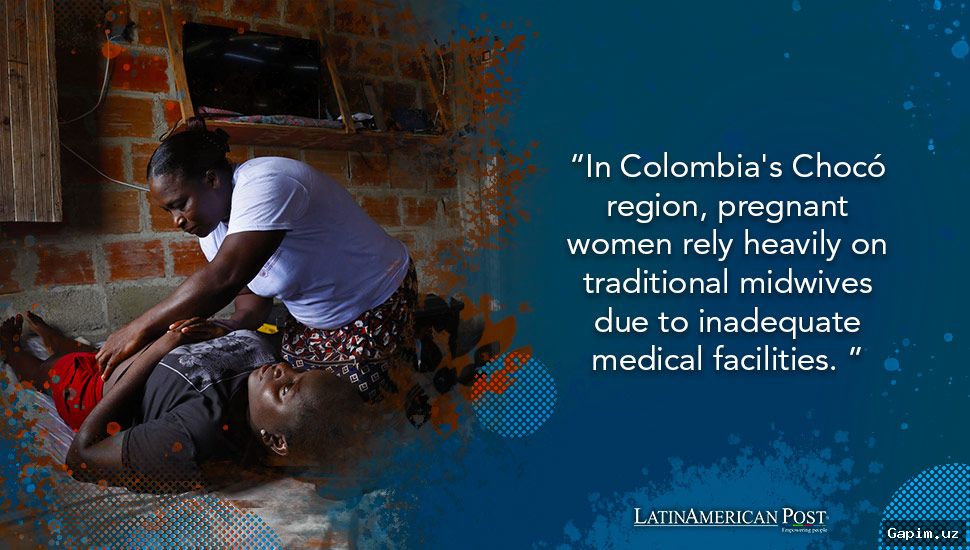
Now 53, Manco estimates she has delivered about 1,200 babies in the coastal department of Chocó. She is part of a long tradition of "parteras tradicionales" (traditional midwives) who play a central role in remote Afro-descendant and Indigenous communities, often serving as the first point of care.
Hospitals can be hours or days away, leaving pregnant women and newborns at risk. Many midwives report facing discrimination within Colombia's healthcare system, being mocked or refused entry. However, they seek collaboration with modern medicine, not rejection of it.
A May survey found at least 1,742 active traditional midwives in the Pacific region, 11 percent of whom are men. The population is aging rapidly: nearly half are over 60, and 40 percent are illiterate.
Manco is part of the Association for the Interethnic Midwives Network of Chocó, which provides training and support. Member Visitacion Perea, 64, is both a traditional partera and a trained nurse. She helps educate women and guide them toward medical care.
Traveling for healthcare can be dangerous due to lack of roads, mobile coverage, and electricity, as well as armed groups controlling rural areas. Maternal mortality rates are higher in remote departments: in Chocó and Nariño, over 76 deaths per 100,000 live births versus the national average of 44.5.
Colombia's government has increasingly turned to traditional midwives for help. The UN Population Fund and Colombia's Agency for Territorial Renewal offer community birthing spaces, equipment, and joint workshops with doctors and nurses. In some areas, midwives can receive certification to complete birth notification forms.
Experts warn that midwives cannot fully compensate for a lack of medical resources, and their role is often unpaid. However, advocates hope their contributions to maternal care in Colombia's poorest regions will be recognized and compensated.
Source: www.aljazeera.com