Kyiv, Ukraine – For centuries, the Russian phrase “behind the Urals Mountains” meant “safe from foreign invasion.” During Napoleon’s 1812 incursion or the Nazi German assault in 1941, areas behind the mountain range dividing European Russia from Siberia were considered safe enough for evacuating civilians and military factories.
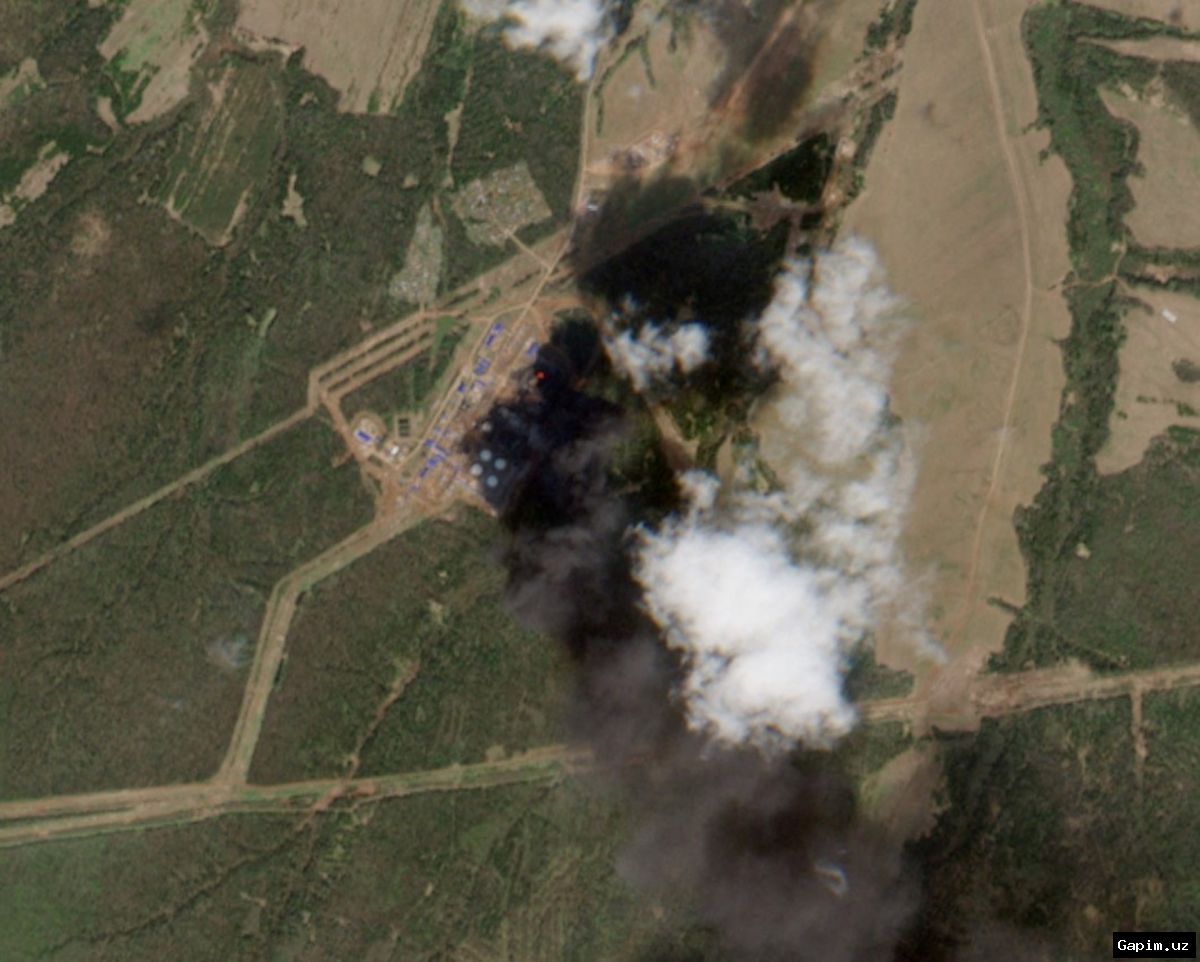
That is no longer the case. In late April, a swarm of Ukrainian drones attacked Yekaterinburg, the administrative capital of the Urals region, located over 1,800 km from the Ukrainian border. Ukraine hoped to hit a plant manufacturing components for air defense systems, and since the first attack, Yekaterinburg’s airport has been shut down at least five times.
Local residents are panicking over dwindling food supplies, a nosediving economy, and dire fuel shortages. “Prices are rising, shops are closing, there are lines at gas stations, and they don’t pour gas into canisters,” said Anatoly, a small business owner in Yekaterinburg (name changed). He added that people expect a disaster and “everyone is trying to stash food.”
Russia’s summer offensive has failed. Instead, President Vladimir Putin wants to revive peace talks based on the 2022 Istanbul agreements. However, observers say Putin is simply trying to buy time. “For the first time since autumn 2022, Ukraine has a chance to win the war,” said Nikolay Mitrokhin, a researcher at Germany’s Bremen University.
Pro-Kremlin analyst Sergey Markov listed Moscow’s demands: “denazification” of Ukraine, demilitarization, “neutral” status and a ban on NATO membership, an end to “repressions” against the Russian language, and recognition of Donbas and Crimea as part of Russia. Ukraine is likely to reject these demands.
Ukrainian “drone sanctions” contribute to signs of “structural exhaustion” of Russia’s economy, according to a June 11 report by the Kiel Institute for the World Economy. “The contours of a genuine economic endgame are coming into view for Russia. The economy has not collapsed, but the structural foundations have eroded fast.”
Many Ukrainians feel schadenfreude. “It’s a great word to describe what I feel,” said financial consultant Hannah Onopriyenko, whose neighborhood in central Kyiv has been devastated by Russian drone attacks. “And yet, I understand that what they experience is about five percent of what we’ve been through.”
Source: www.aljazeera.com