Despite polls showing that most Britons regret leaving the European Union, many others believe the case for quitting the bloc still holds.
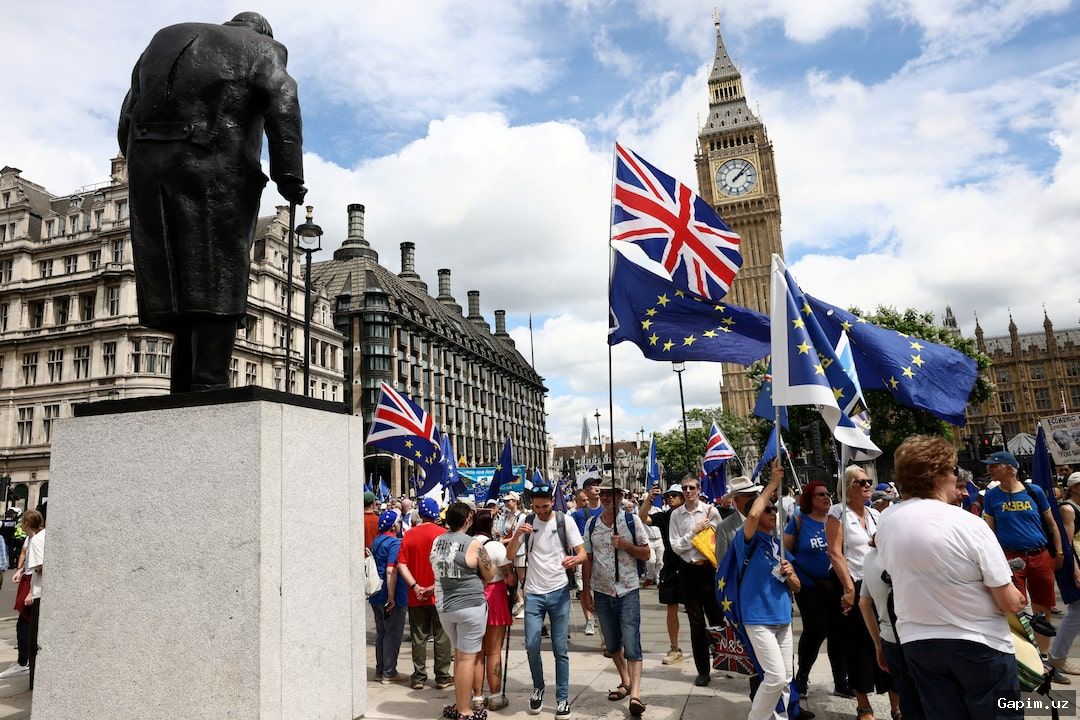
“The arguments for Brexit now are largely the same as they were then: sovereignty, democracy and taking back control,” University of Cambridge professor and Brexit supporter Robert Tombs told Al Jazeera.
Control was a central theme of the “Leave” camp. Brexiters called for more control over migration to protect borders from foreign supranational powers, as well as wresting sovereignty back from the bloc – which they portrayed as an out-of-touch middle-class group of elites – and returning it to the people.
“Britain was never especially happy in the EU, but then Greece, Italy and others do not appear to be especially happy either,” Tombs said. “One of the arguments for leaving was that Britain has always been more closely tied to countries outside the EU, especially English-speaking ones, than to countries within the bloc,” he continued.
The landmark referendum 10 years ago saw Britain break its association with the EU after more than 43 years of an occasionally volatile membership. Those who remain committed to Brexit blame successive governments for failing to maximise the perceived freedoms of leaving the bloc.
Immigration, rather than declining, ballooned. Net migration rose from about 224,000 in 2019 to 906,000 in 2023 – a 302% increase. David Goodhart of Policy Exchange said: “We did regain control over immigration. But the point is we used that freedom to expand it.”
Economically, Goodhart argued: “Brexit has not been the economic disaster many claimed. In fact, it’s actually had remarkably little impact,” pointing to gains in fintech and gene editing.
Kristian Niemietz of the Institute of Economic Affairs said: “Free-market Brexiteers thought that Brexit was likely to be followed by liberalisations. But the UK has been too timid to cancel out the disruptions caused by Brexit.” He added that free trade and light-touch regulation are the way to make Brexit a belated success.
Tombs concluded: “The main difference [between the UK and other EU states] is that we were given the vote. No one else in Europe has been given the choice. We were.”
Source: www.aljazeera.com