For weeks, crowds of Albanians have been protesting daily at 7 p.m. in Tirana's main square, demanding democracy and the resignation of Prime Minister Edi Rama. The movement, dubbed the 'Flamingo Revolution,' is the largest civic protest since the fall of communism.
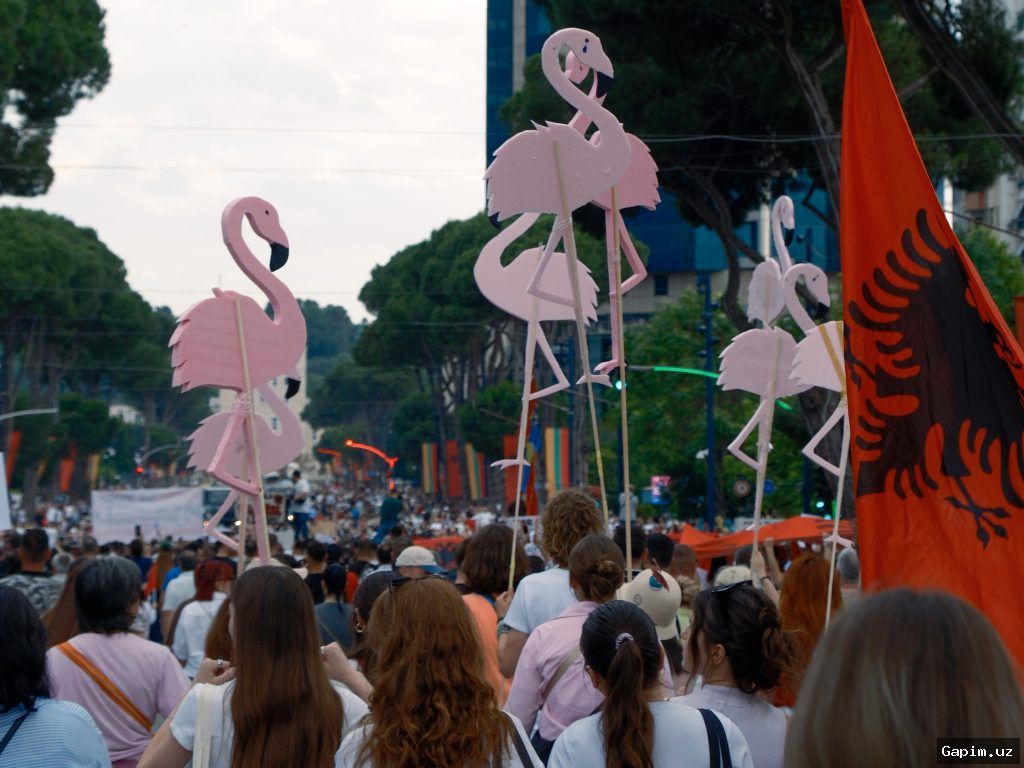
The protests began after the government approved a luxury tourism project in Zvernec, a protected coastal area in southern Albania. Initially environmental, the demonstrations quickly expanded into broader political demands, including calls for Rama's resignation.
Rama rejects domestic political grievances as the sole cause, arguing the protests are part of a 'hybrid war' driven by external influences and digital manipulation. He claimed state-sponsored actors, including from Iran, have been identified.
Critics, including University of Tirana professor Jonila Godole, say Rama's rhetoric echoes Albania's communist past, when dissent was portrayed as foreign interference. She noted that young people no longer accept this narrative.
Communication theorist Artan Fuga warned that attributing protests to algorithms confuses medium with cause. Technology may amplify messages, but it does not create the reasons for social discontent.
A turning point came on May 30 in Zvernec, when a protester was dragged across the sand by private security guards. The video went viral, transforming the environmental protest into a national debate on power, accountability, and the rule of law.
Political scientist Blendi Kajsiu argues the protests reveal a deep crisis of Albania's democratic model. Protesters are united not by ideology but by a belief that the political system no longer represents them.
The European Parliament expressed 'serious concern' over developments in the Vjosa-Narta protected area, calling for an immediate moratorium on new permits and construction. The resolution links environmental protection and rule of law to Albania's EU accession commitments.
Source: www.dw.com