Electric vehicles (EVs) are riding a wave of popularity amid the global oil crisis sparked by the Middle East conflict. According to the International Energy Agency (IEA), Australian EV sales jumped 150% year-on-year in April, Asia-Pacific saw an 80% rise, Latin America 75%, and Europe almost a third.
IEA Executive Director Fatih Birol said record EV sales are “providing some relief now amid the largest oil supply shock in history,” and falling battery prices will boost momentum. However, batteries remain the most expensive and controversial component.
Critics have long argued that lithium-ion batteries can combust and are harder to extinguish than petrol fires. Experts counter that combustion engines are far more prone to fires. Heavy batteries are also blamed for road damage, but experts say large trunks cause more wear.
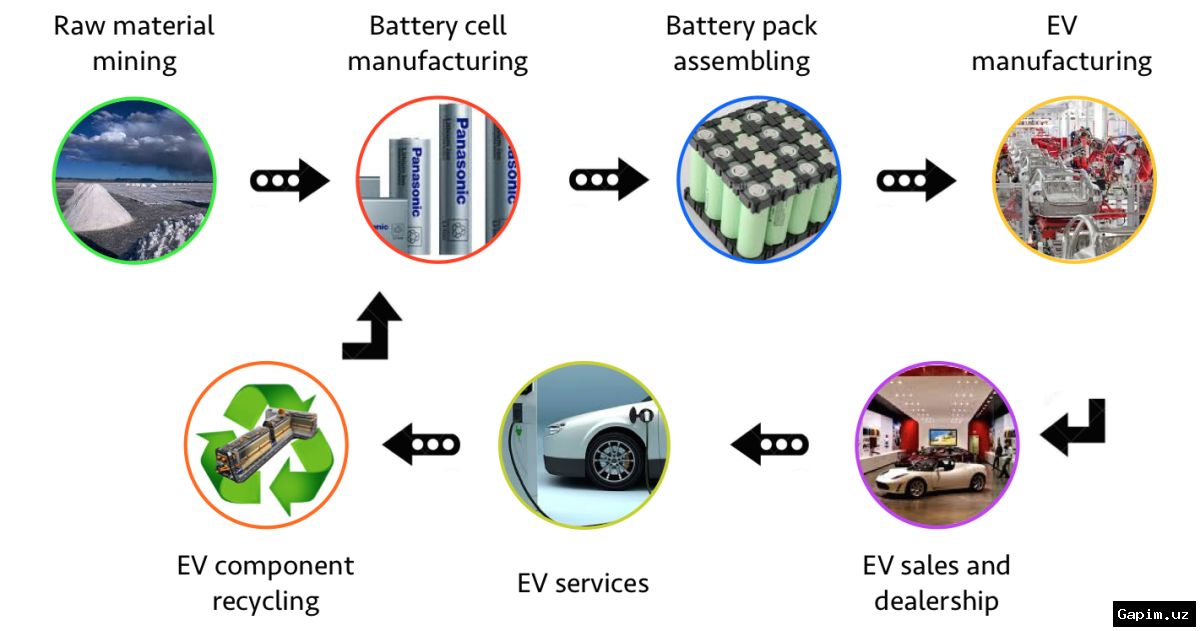
Concerns over exploitative supply chains for critical minerals like cobalt and nickel persist. An Australian Spotlight investigation revealed Chinese-owned cobalt mines in the DRC where thousands, including children, work in terrible conditions with severe pollution.
However, critics note that modern EV batteries largely use lithium iron phosphate technology, which requires no cobalt. David McElrea, CEO of Australia’s Smart Energy Council, points out that many other products, such as phones and laptops, also contain cobalt.
Neeraj Sharma, professor at the University of New South Wales, says EV manufacturers are shifting away from cobalt because it’s expensive, toxic, and ethically fraught. Cheaper chemistries like sodium-ion batteries are coming to market.
The Fraser Institute, a Canadian conservative think tank, claimed in 2023 that some 400 critical mineral mines would be needed to meet EV demand. But the IEA says geological reserves are sufficient for long-term demand, even in a scenario where most fossil fuel cars are phased out.
Vlado Vivoda, an expert at the University of Queensland, acknowledges real concerns about mineral extraction, processing, labor conditions, and waste. He warns against romanticizing “clean” technology and calls for better governance of new supply chains compared to old ones.
Source: www.dw.com