NASA is undertaking a daring mission to save the Neil Gehrels Swift Observatory, a space telescope launched in 2004, from falling to Earth. Despite budget cuts and website blockages under the Trump administration, the US space agency is pushing forward with innovation.
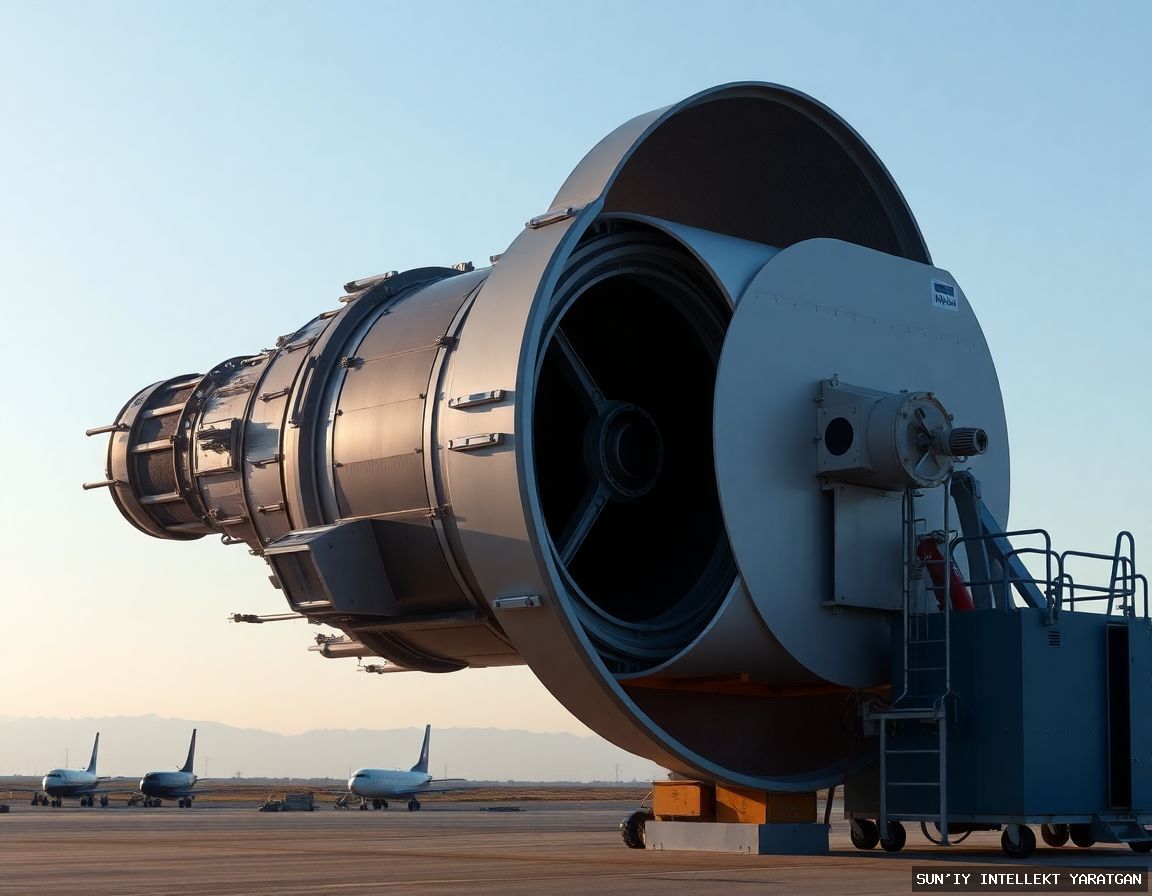
The mission involves launching a robotic spacecraft called LINK aboard a Pegasus XL rocket, the world's only air-launched rocket. The launch will take place from Kwajalein Atoll in the Marshall Islands, with the rocket dropped from an aircraft at 40,000 feet, free-falling for five seconds before ignition.
Swift was designed to study gamma-ray bursts, powerful explosions from collapsing stars or colliding celestial objects. Over 20 years, it has detected over 2,000 such events, helping scientists understand how heavy elements like gold and platinum are formed.
The telescope has lost over 220 kilometers of altitude due to increased solar activity, which creates drag on spacecraft. Without intervention, Swift will re-enter Earth's atmosphere uncontrollably by the end of this year.
Brad Cenko, Swift's Principal Investigator, emphasized the mission's scientific and cost-saving benefits. Building a new telescope would cost $250 million, while the rescue mission is estimated at $30 million, including launch.
LINK, built by commercial company Katalyst Space, was designed in just one year. Docking with Swift is challenging as the telescope lacks docking ports, comparable to landing on an asteroid. If successful, LINK will use electric thrusters to raise the telescope over several months.
The European Space Agency (ESA) is also developing similar in-space servicing technologies. Bérengère Houdou, Head of ESA's Space Safety Missions Office, noted that autonomous navigation and robotic arms have dual-use applications for civilian and military purposes.
Source: www.dw.com