Ahmed Nagi, a Yemeni man in his 50s from Taiz, worked for over 30 years as a porter at al-Turbah market, earning enough to support his family of seven. Two years ago, he developed liver complications and lost his ability to work.
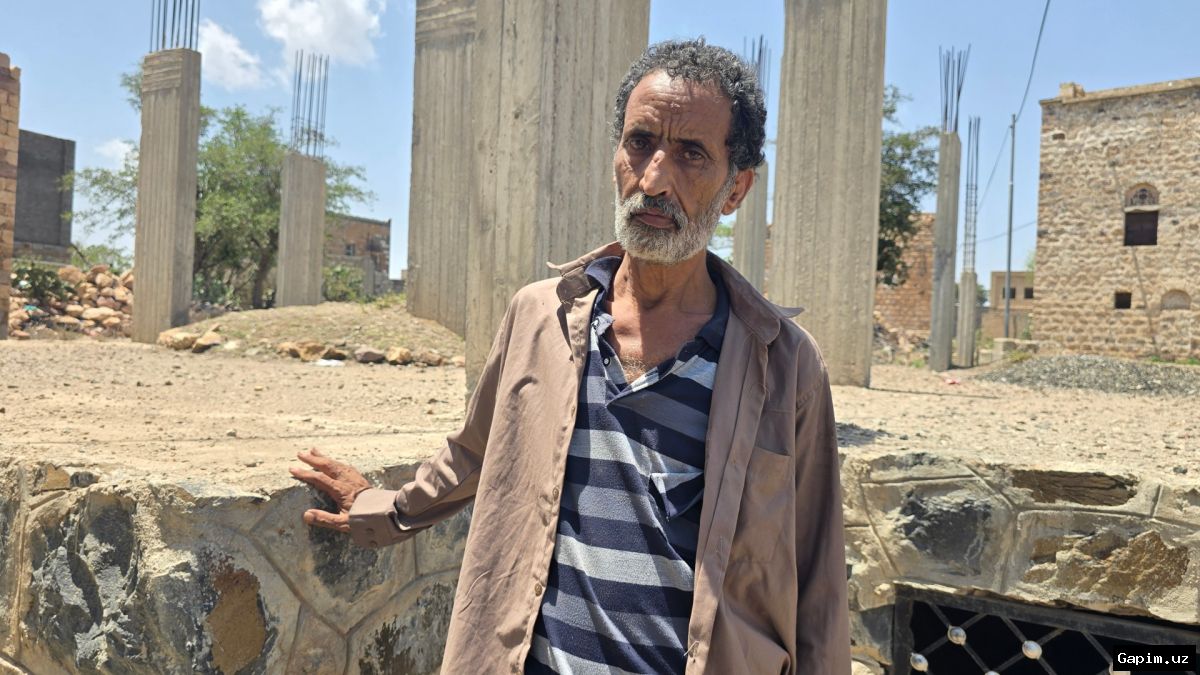
Now Nagi can barely move without a walking stick and cannot afford medication. Doctors, not liver specialists, were unsure of the exact diagnosis. Local hospitals cannot provide proper treatment, and traveling to Sanaa or Aden for specialized care is financially impossible for him.
Yemen suffers from a severe shortage of skilled health workers, with 18% of districts lacking doctors entirely, according to the WHO. Many of the country's most qualified professionals have left for better opportunities abroad.
Taha Nabil, 45, from al-Shimayateen district in Taiz, has a cataract in his right eye. With no local ophthalmologist, he underwent surgery in Taiz but lost vision in that eye completely. Now he needs a qualified specialist and $4,000 for treatment, which he cannot afford.
Yemen's physician ratio stands at 0.1 per 1,000 people, far below the regional average of 1.1, according to the World Bank. Years of war and funding shortages have left at least 20 million Yemenis (nearly half the population) without access to basic medical care. Half of health facilities are non-functional.
Dr. Ismail al-Hamoudi, deputy director of the Public Health Office in Taiz, said 41% of medical staff in Taiz have been displaced or left the country, putting immense pressure on remaining personnel.
Dr. Abdulkareem Mubarak, deputy director of the National Program at the Ministry of Health in Aden, cited low and irregular salaries as the main driver of brain drain. The ministry is partnering with humanitarian organizations to provide incentives for remaining staff.
As an emergency measure, hospitals are recruiting foreign doctors, including from Syria. On June 12, two Syrian doctors, Samer Ahmed Hassan and his wife Dr. Samaher al-Mousa, were killed in crossfire at the Aden governor's residence. Despite security risks, Syrian doctors continue to arrive.
Dr. Ahmed, a Syrian orthopedist working in Taiz under a pseudonym for security reasons, said he came to Yemen after hearing about the dire shortage of medical personnel. He performs about 10 major operations per month, double the typical workload. Nabil has heard of a Syrian specialist but cannot afford the surgery.
Source: www.aljazeera.com