Brijpal Singh, a 51-year-old construction worker in Noida, India, spends long hours under a blazing sun, with temperatures soaring past 45 degrees Celsius. By the end of each shift, his heart pounds, he feels dizzy and dehydrated. Yet taking a day off is a luxury he cannot afford, as missing work means losing his daily wage of 500-600 rupees ($6-7), which supports his wife and three children in a village in Uttar Pradesh.
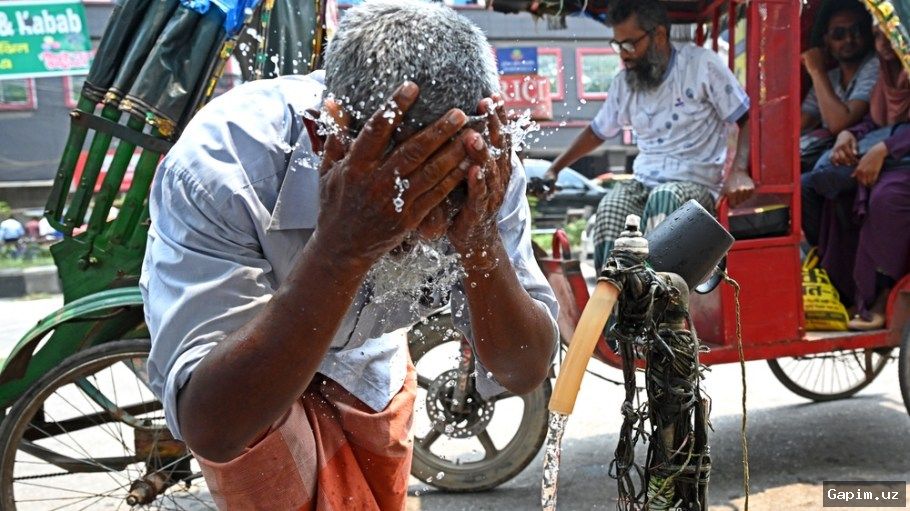
Around 5 million people work in Delhi's informal economy, accounting for roughly 80% of the total workforce. As climate change drives up temperatures, daily wage earners like Singh face an impossible trade-off between providing for their families and protecting their health.
The past decade has been India's warmest on record, bringing more frequent and intense heat waves. Studies show rising temperatures could be costing informal workers the equivalent of 2% of the country's GDP annually, nearly $80 billion. Ameena Kidwai, lead researcher at People's Courage International, warns that wage losses will worsen as temperatures continue to rise, with workers putting in more hours to complete the same tasks.
In Quezon City, Philippines, 50-year-old Aida Tano worked in a garment factory for nearly two decades, where soaring temperatures and poor ventilation turned the production floor into an oven. "There was no escape from the heat," Tano said. "We complained, but management told us if we couldn't endure it, we could leave."
The economic impacts of climate change hit women hardest, as they account for a majority of the world's poor. Women in the informal economy also shoulder a disproportionate burden, combining paid work with unpaid caregiving. Shanti Devi, a 36-year-old daily wage laborer in Noida, became the sole breadwinner after her husband's injury. During heat waves, school closures force her to stay home with her four children, losing wages and adding financial strain.
Researchers say adaptation efforts in many cities are short-sighted and overlook the realities of informal workers. "Climate change will only deepen existing inequalities because those with the fewest resources are often the most exposed to extreme heat," said Narvaez. "Ultimately, resilient cities cannot be built on exhausted and unprotected workers."
Source: www.dw.com