A leaked photograph showing a Palestinian detainee blindfolded, stripped to his underwear and severely restrained has caused anguish for two mothers in Gaza. While the Israeli military has acknowledged the photo is genuine, it has not identified the man or disclosed where he is being held.
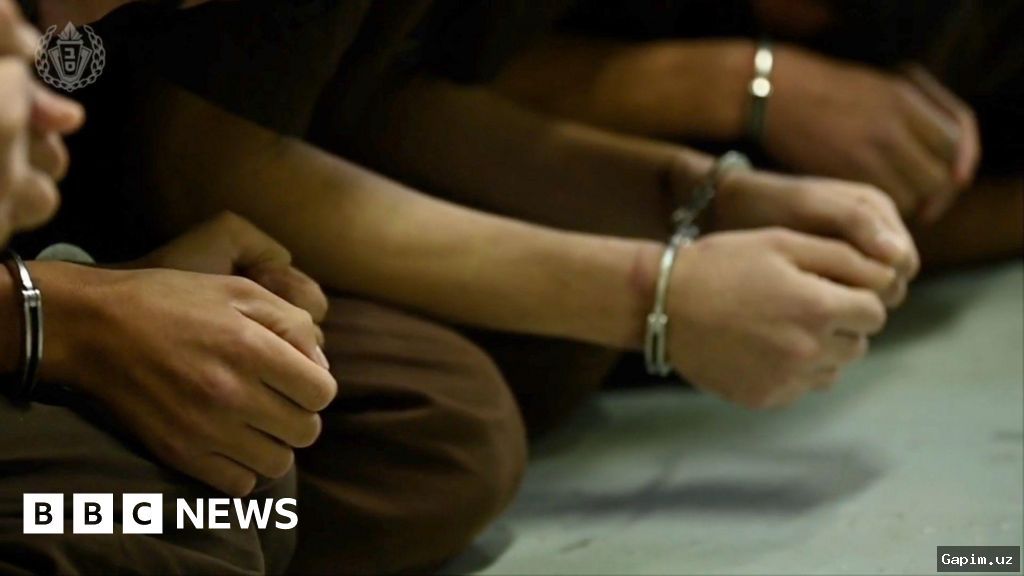
That has added to the agony of the two mothers, Rana Abu Nassar and Joudeh Al-Ghou, each of whom is absolutely certain that the man being mistreated is her missing son. Abu Nassar said that from the moment she saw the photo two days ago, she knew it was her son Osama. “I know the details of his body. He has swelling in his foot and scars on his leg – the same swelling on his left leg I saw in the picture,” she told Reuters.
Osama was arrested on March 19 along with his one-year-old child, who was released the same day with what his family said were cigarette burn marks on his legs. His mother said Osama suffers from mental health issues and that a “normal person would not take his son to that area” near the “Yellow Line” where Israeli forces frequently open fire on Palestinians. Israel’s military rejected allegations that its forces abused Osama’s son, saying the marks were from warning shots.
Joudeh Al-Ghoul, whose son Ameen was arrested in November 2023 while trying to travel from southern Gaza to the north, also said she recognised the man in the image. “It’s him – his hair and chin. He is my son. A mother’s heart can recognise her son. I hugged the mobile phone and started crying,” she told Reuters from a displaced persons camp in Gaza City.
The families’ plight highlights a broader crisis facing Palestinians in Israeli custody. Currently, some 1,200 Palestinians from Gaza are being held in Israel under the Internment of Unlawful Combatants Law. The controversial law allows for the unlimited detention of individuals suspected of participating, directly or indirectly, in hostile acts.
Amani Sarahneh of the Palestinian Prisoners Society said that since the image’s release the organisation has submitted both men’s names to the military in order to try to get lawyer visits with them. “Visits do take place, but with great difficulty. The coordination process takes a very long time,” Sarahneh said.
Source: www.aljazeera.com