The United Nations General Assembly is holding a plenary session on Monday to discuss nations’ responsibility to prevent genocide, war crimes, ethnic cleansing and crimes against humanity. The meeting comes as Israel’s war in Gaza, the Rapid Support Forces’ campaign in Sudan’s Darfur region, and other humanitarian crises rage on, with critics accusing the international community of doing little to address them.
While the UN session may produce protocols for preventing future genocides, observers are skeptical that these will make a difference for victims on the ground. The UN’s 1948 Genocide Convention defines genocide as acts committed “with intent to destroy, in whole or in part, a national, ethnical, racial or religious group,” including killing, causing serious harm, inflicting destructive conditions, preventing births, and forcibly transferring children.
The 1994 Rwandan genocide saw an estimated 800,000 Tutsis and moderate Hutus killed in 100 days. The UN later admitted it was “ashamed” of its failure to intervene. The International Criminal Tribunal for Rwanda convicted 61 individuals. In Bosnia, the 1995 Srebrenica genocide killed about 8,000 Bosniak men and boys; the UN only recognized it as genocide in 2024, designating July 11 as an international day of remembrance.
Israel’s war on Gaza, which began in October 2023, has killed over 73,000 Palestinians, according to Gaza’s health ministry. UN Special Rapporteur Francesca Albanese found “reasonable grounds to believe that the threshold indicating the commission of acts of genocide has been met.” The US has repeatedly vetoed UN Security Council ceasefire resolutions. In September 2025, a UN fact-finding mission delivered its most damning verdict, calling Israel’s actions genocide.
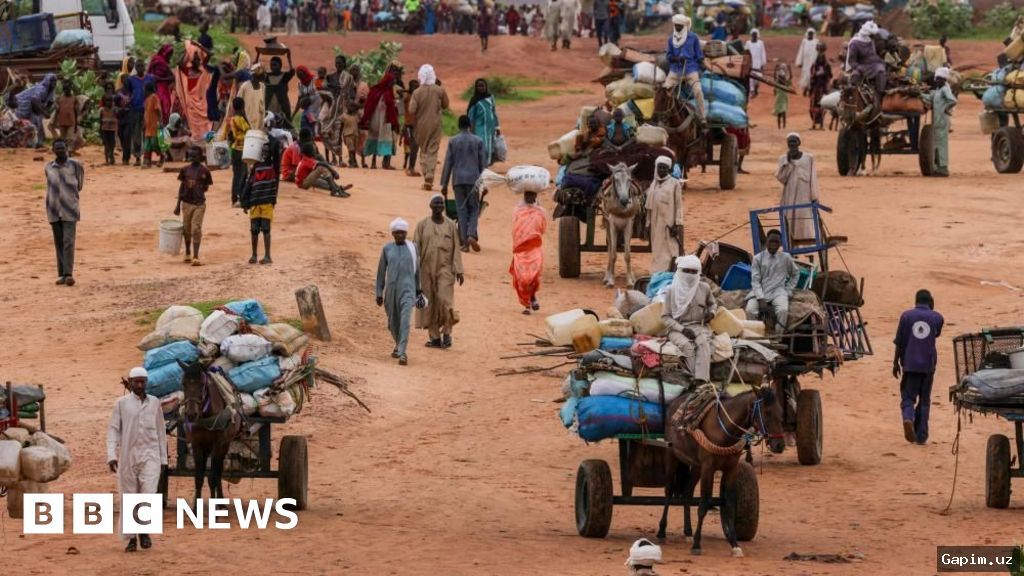
Sudan’s civil war, ongoing since April 2023, has killed tens of thousands and displaced nearly 14 million. The RSF has been accused of genocide in Darfur. A UN mission concluded that the 2025 assault on el-Fasher bore “hallmarks of genocide.” In May 2025, the International Court of Justice dismissed Sudan’s case against the UAE for allegedly arming the RSF, citing lack of jurisdiction.
In China, over one million Uighurs have been detained in “counter-extremism centers” since 2017, with the US and others labeling it genocide. Beijing rejects the allegations. In Myanmar, the military’s campaign against the Rohingya since 2017 has been described by the UN as bearing “genocidal intent,” but no effective prevention has occurred.
Legal scholar Nimer Sultany told Al Jazeera: “In both cases [Bosnia and Palestine], there is a failure of prevention mechanisms. And the fact that it fails again … requires us to rethink the international legal order.” The article highlights the UN’s historical and ongoing struggles to prevent genocide, despite clear legal definitions and repeated atrocities.
Source: www.aljazeera.com