A teaser for the upcoming Bollywood film 'Chauhaan', scheduled for an October 2027 release, has reopened wounds among hundreds of Kashmiris blinded by Indian security forces' pellet guns. The film stars Ajay Devgn as a security official who appears to mock past Indian governments for being soft on protesters and dismisses pellet guns as causing 'limited damage'.
Feroz Aslam, 28, lost his vision a decade ago when Indian forces fired pellet guns during an anti-government protest in Sopore. Over 300 pellets hit his chest, and 13 struck his eyes. 'For the past 10 years, my ailing parents have been serving me food. Being their eldest son, it embarrasses me extremely,' he told Al Jazeera.
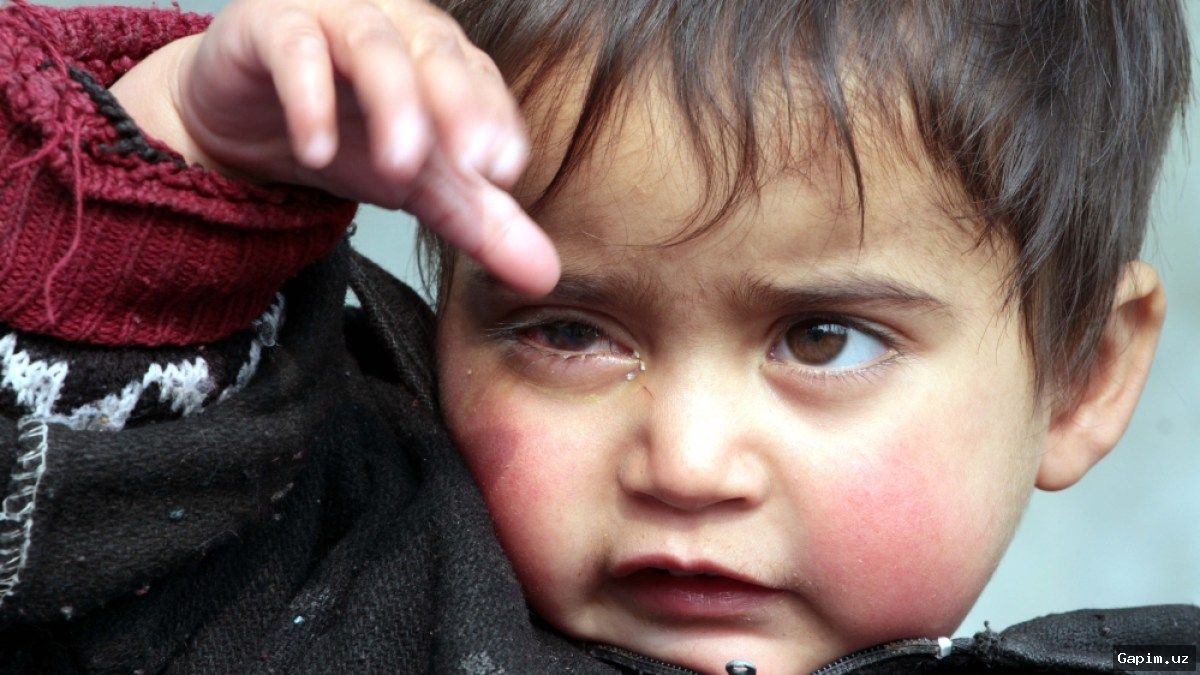
India introduced pellet guns in Kashmir in 2010 to quell street protests. Since then, over 1,000 people have been partially or completely blinded. The use peaked in 2016 after the killing of rebel commander Burhan Wani, with hundreds blinded, including women and children as young as 18 months. An estimated 14% of victims are under 15.
The film's teaser features Devgn's voice criticizing past governments for 'pandering to the enemy' and claims pellet guns inflict 'limited damage'. It ends with Devgn walking toward a crowd with a boombox playing a song associated with Friday protests. Victims and analysts call the film insensitive and propaganda.
Political analysts say 'Chauhaan' is part of a trend of Bollywood films that rationalize the Indian regime's policies in Kashmir using Islamophobic tropes. 'Hate itself has become a commodity,' said Rakib Hameed Naik of the Center for the Study of Organized Hate.
The UN and rights groups have condemned India's use of pellet guns, with the UN secretary-general calling for preventive measures. India's Supreme Court cautioned against indiscriminate use in 2016, but the government defends them as a non-lethal alternative. Victims like Masroor Khalid, blinded in 2016, remain with hundreds of pellets lodged in their bodies and face ongoing hardship.
Source: www.aljazeera.com