A new therapeutic vaccine developed by researchers at the German Cancer Research Center, University Medical Center Mannheim, and Heidelberg University Hospital has shown promising long-term results in patients with high-grade astrocytomas, a type of aggressive brain tumor.
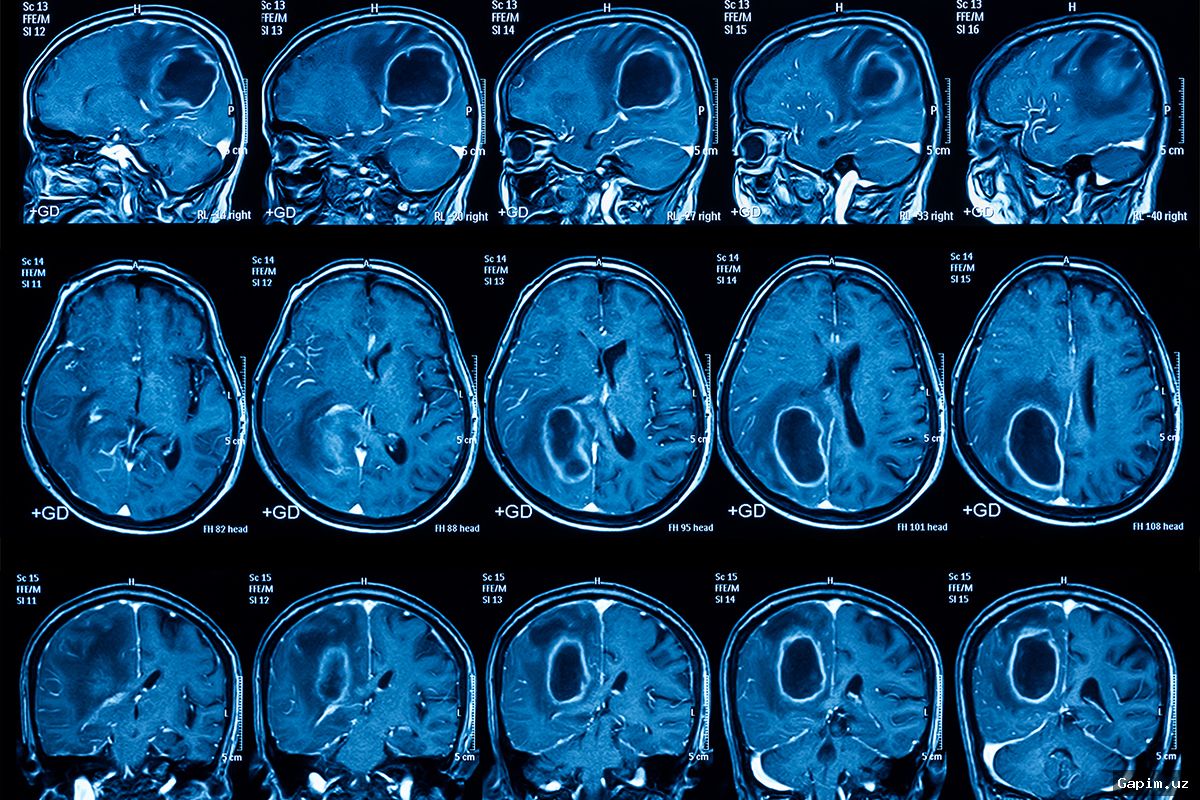
In a study involving 33 patients, published in Nature, 66% of participants were still alive after eight years, and 42% had no tumor regrowth during that period.
Lead author Professor Michael Platten explained that the vaccine targets a specific genetic mutation in the IDH1 enzyme, which creates a neoepitope recognized as foreign by the immune system. This mutation drives tumor growth but also makes it an ideal immunotherapy target.
The vaccine activates both T-cells to directly attack tumor cells and B-cells to produce antibodies, aiming to prevent recurrence after radiochemotherapy.
Professor Ulrich Herrlinger from University Hospital Bonn, who was not involved in the study, called it a “real opportunity” but cautioned against overinterpreting data from only 33 patients. A larger controlled trial with over 200 patients is planned to start in March 2027.
Platten acknowledged that reliable results will take nine years, but described the current findings as reason for “cautious optimism.”
Source: www.dw.com