Following US strikes on Iranian targets, Iran retaliated by attacking 85 US military sites in Bahrain and Kuwait. Although Iran claims it is not targeting the governments or populations of neighboring countries, the escalation of hostilities poses significant risks for Gulf states, which have much to lose.
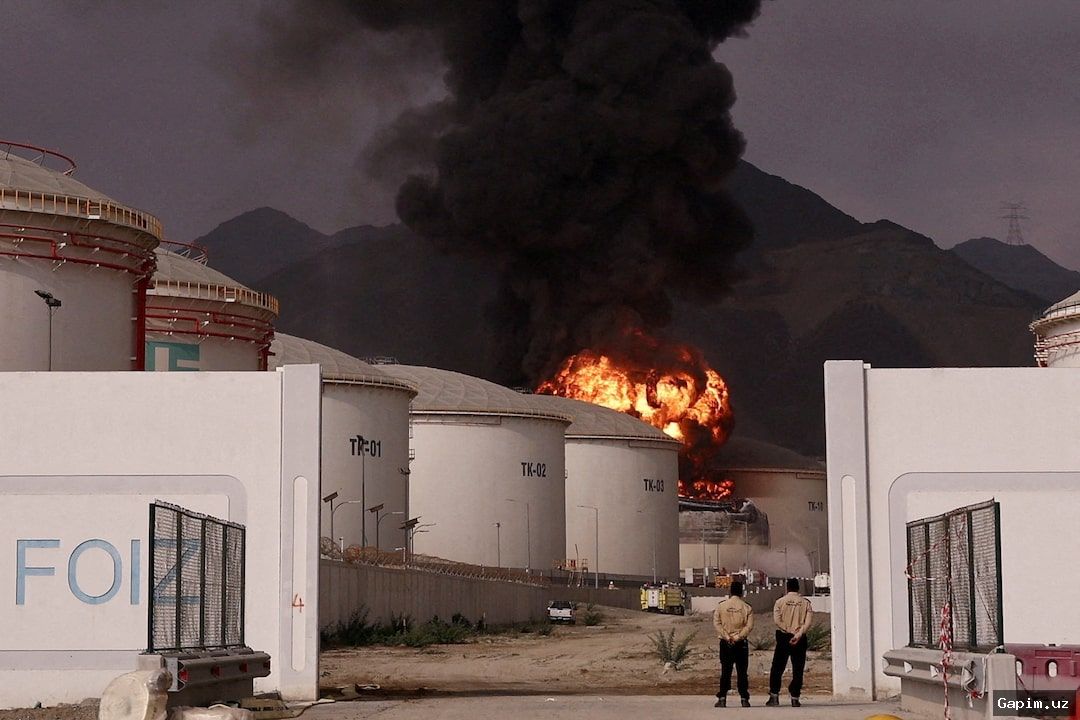
Bahrain hosts a major US Navy base and was directly hit by Iranian strikes. As one of the smaller Gulf nations, US military installations are located close to residential and commercial areas, meaning even limited fighting disrupts civilian life. Politically, Bahrain faces unique challenges: its Sunni royal family rules over a predominantly Shia population, and the ongoing US-Iran conflict could exacerbate internal tensions.
Kuwait hosts the largest number of US bases in the Middle East, including two air bases and about 13,500 personnel. This has made it a target for Iranian attacks. Historically cautious in foreign policy, Kuwait has been forced to adopt a more assertive stance following Iranian strikes.
Saudi Arabia, home to a major US air base, has not yet been attacked by Iran this week. The kingdom prioritizes diplomacy and preventing the spread of conflict, focusing on its Vision 2030 economic plan. Iran's blockade of the Strait of Hormuz has forced Saudi Arabia to divert oil exports via an alternative pipeline.
The United Arab Emirates also hosts a key US air base. While Iran has not struck the UAE this week, previous attacks have occurred. The conflict threatens the reputation of Abu Dhabi and Dubai as stable financial hubs.
Qatar hosts the largest US military installation in the Middle East, Al Udeid air base, but maintains relatively good relations with Iran. Iran has not directly targeted Qatar this week, though it previously attacked a Qatari ship.
Oman, which lacks major US bases, maintains good relations with both sides and serves as a mediator, offering potential for future diplomatic talks.
Source: www.dw.com