In a gloomy house on a dead-end street in southern Mexico, three Cuban men in their 70s spend their days watching Hollywood movies, playing dominoes, and pooling change to buy food. Ricardo Scull Delgado, Ernesto Perez Chapman, and Lazaro Diaz Garcia have been stuck there since December, after being deported from the United States as part of President Donald Trump's mass deportation push.
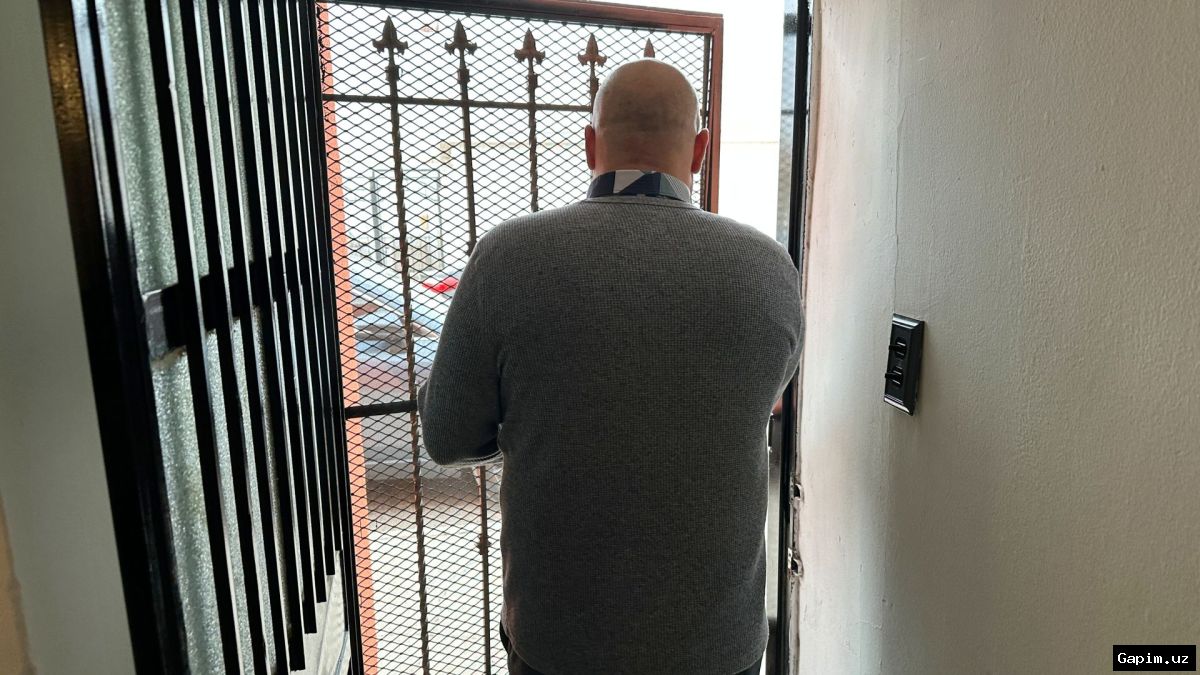
All three arrived in the US in 1980 during the Mariel boatlift, an exodus of refugees fleeing hardship and repression in Cuba. They were piled onto a bus in Arizona and driven south for three days until reaching Palenque, a town near Mexico's border with Guatemala. “When we arrived in Palenque, it was pouring with rain, and they just kicked us out of the bus onto the curb,” said Scull Delgado, 71. “The cruelty was unbelievable, so inhumane.”
Cubans represent the largest third-country population among deportees sent to Mexico. More than 4,000 Cuban citizens have been deported from the US to Mexico since Trump took office for a second term. Critics say this marks a reversal in US policy: after decades of sheltering Cuban exiles, the US regime is now leaving them in limbo abroad with no means of support.
Scull Delgado settled in California, married a US citizen, and had three children and four grandchildren. But he had a criminal record from the 1990s, for which he served prison time. After release, he checked in annually with US immigration authorities. It was there that he was arrested. After nearly 46 years in the US, he was one month away from retirement and the benefits he earned through his work. “I do feel betrayed by Trump because he took everything away from me after I’d spent my whole life in that country,” he said.
Another Cuban, Orlando Martinez Mendoza, 48, migrated to the US in 2015. He was arrested at a court hearing in Tennessee for a speeding charge, held in three detention centers, and then transferred to Angola prison in Louisiana. He recalls the transfer was staged for media: “They selected a group of us migrants, saying we were the biggest criminals in the country. They took us to Angola prison in a bus with police in front and back, stopping traffic with sirens, and TV cameras rolling.” He was eventually sent to Palenque, where immigration officials “dumped us right in front of COMAR like we were dogs.”
The US Department of Homeland Security did not respond to a request for comment but has featured Martinez Mendoza on a website highlighting his 2018 cocaine conviction. Human Rights Watch researcher Alcira Silva Hava estimated that 4,353 Cubans were deported between the start of Trump's second term and March 2026. Of those, 27% had no criminal record, and 16% had pending charges. The total may be higher: in a March 13 court filing, lawyers for the US regime stated that “approximately 6,000 Cuban nationals” had been removed to Mexico in the past year, adding that “Mexico has a standing (unwritten) agreement with the United States to accept Cuban Nationals for Removal.”
Judge William Young expressed astonishment, temporarily halting the deportation of one Cuban and demanding details about the “so-called 'unwritten agreement.'” The Trump administration has not made public any deportation deal with Mexico, though it has arranged such agreements with over 30 countries. The Mexican government has repeatedly denied signing onto a deportation deal.
In Palenque, the Cuban men wait for Mexico to grant them asylum. Only then will they gain residency, work rights, and healthcare. Currently, they cannot work or access banking, relying on family remittances and strangers' generosity. Scull Delgado described his life as “completely torn apart.” “He separated me from my wife. He separated me from the people I love, my whole neighbourhood, everything. I’m still paying for something I did more than 30 years ago. And that, I think, isn’t fair.”
Source: www.aljazeera.com