US President Donald Trump's latest demand in the Iran war lasted a mere 24 hours, signaling a president scrambling for unorthodox exits from a difficult position.
On Monday morning, Trump announced the resumption of a naval blockade on Iranian shipping, demanding a 20% fee on all vessels transiting the Strait of Hormuz, including those of US allies, to reimburse America for providing security in the volatile region.
By Tuesday, he had scrapped the proposal entirely, instead offering trade and investment deals with Gulf allies in exchange for safe passage through the strait.
The abrupt about-face is the latest twist in a conflict now exceeding four months, with no end in sight despite a month-old memorandum of understanding (MOU) that established a temporary ceasefire and negotiation framework.
Trump appears reluctant to escalate due to the war's unpopularity, potential energy price spikes, and risks to US forces. Yet he may also find distasteful the prospect of ending the conflict without a deal he can claim is superior to the 2015 Obama-era agreement.
"The most likely ending is a non-ending," said Rosemary Kelanic, Director of the Middle East program at Defense Priorities. "This has turned into a war of attrition, and wars of attrition tend to go on for a long, long period of time."
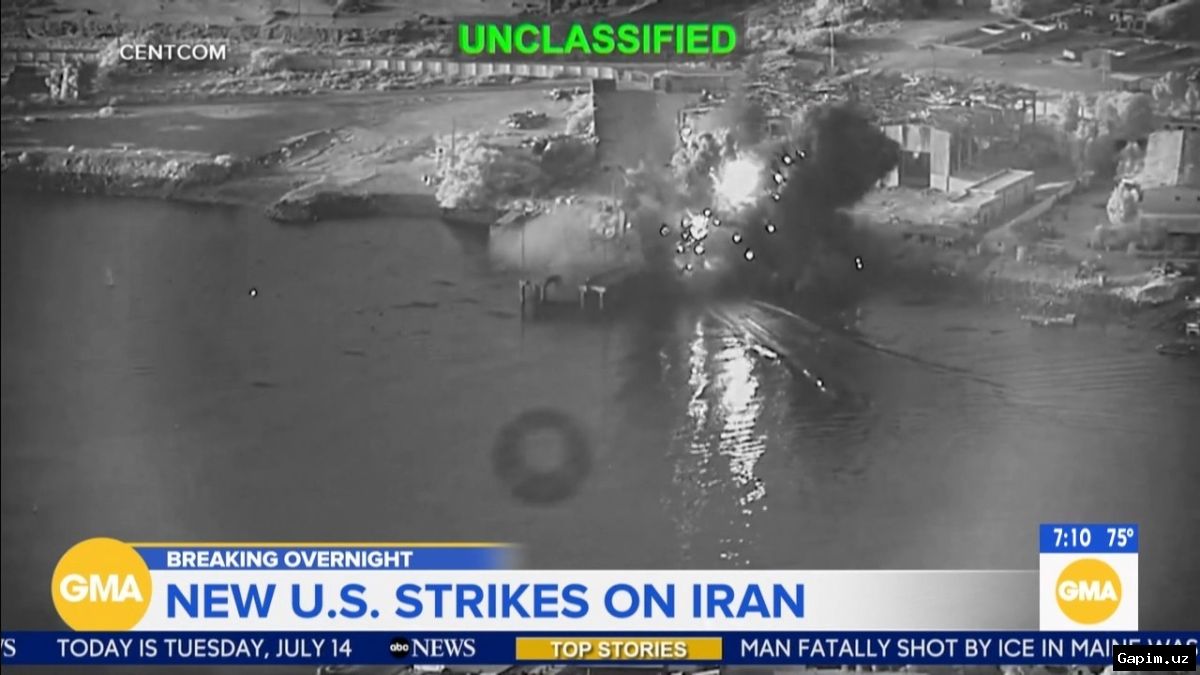
The US-Iran MOU effectively died Tuesday when Trump announced the blockade's resumption alongside new strikes on Iran. Iran retaliated by stepping up attacks on US allies and commercial shipping, grinding Hormuz traffic to a near standstill.
Trump's 20% fee idea was not new—he had floated it several times during the war. However, just last month, Secretary of State Marco Rubio condemned an Iranian plan to charge fees on Hormuz shipping as a violation of international law.
The MOU had envisioned a role for Iran in overseeing Hormuz shipping, billions in investment, and sanctions relief. But that calculation appears to have failed.
Both sides are now back in a familiar predicament: Iran faces renewed US attacks and oil revenue loss, while Trump again confronts a choice between escalation and a settlement that leaves a hostile Iranian regime in power.
Kelanic argues Trump's leverage over Iran may be diminished: "He has already tried the things he can easily do... He attacked military targets, and it didn't cause Iran to surrender."
As the war nears its fifth month, Trump has noted other conflicts like Vietnam stretched for years. But that quagmire hobbled President Lyndon Johnson and damaged US standing—a fate Trump hopes to avoid, especially as his supporters weary of Middle East "forever wars."
Source: www.bbc.co.uk