Israel's upcoming general elections, scheduled for October 27, are widely regarded as critical for the country's future. Analysts, sociologists, and pollsters agree that these elections will determine not only the composition of the next government but also the fundamental nature of Israeli democracy, the legitimacy of governing coalitions, and competing visions of what the state represents.
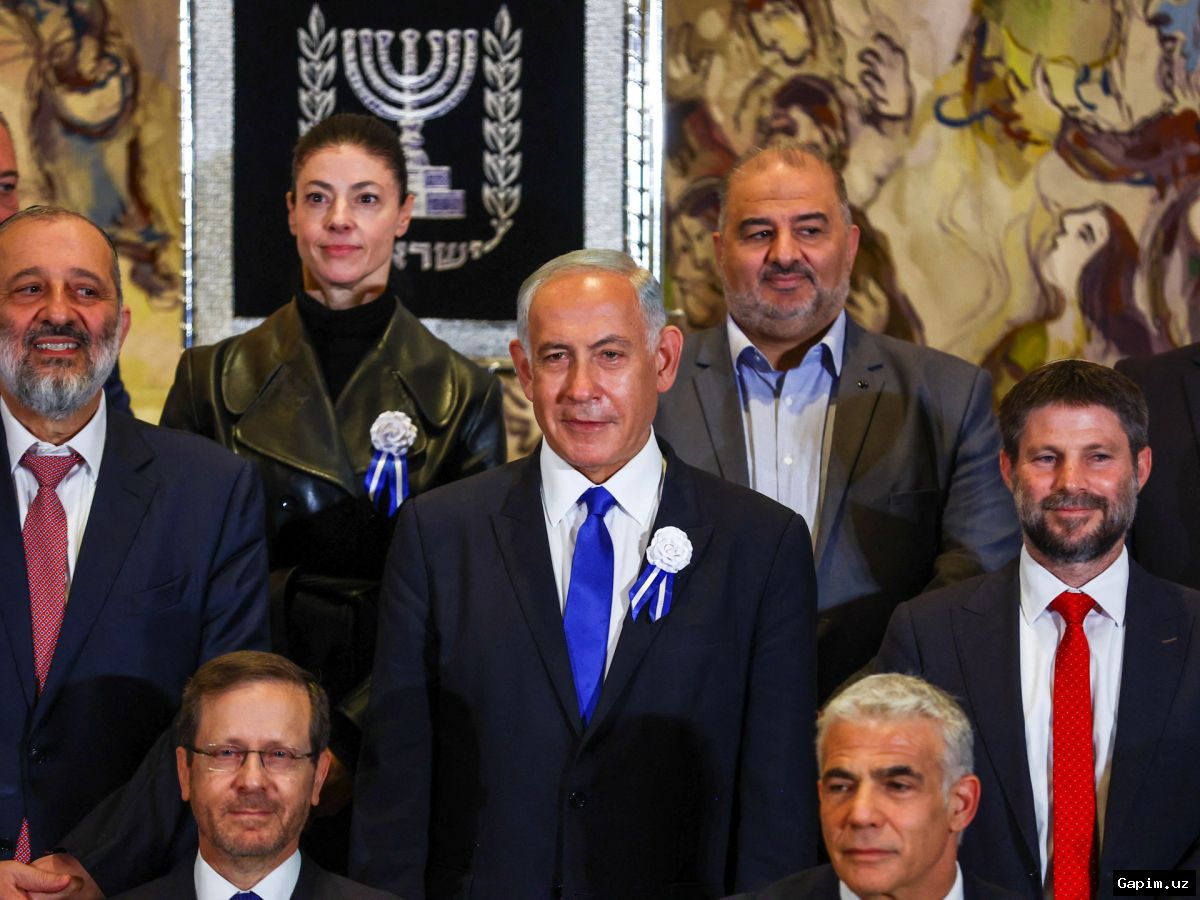
The campaign is dominated by domestic issues: the far-right coalition's attempts to bypass democratic norms, the de facto exemption of the ultra-Orthodox minority from military conscription, and Prime Minister Benjamin Netanyahu's corruption trials. Social psychologist Daniel Bar-Tal highlighted concerns over Netanyahu's appointment of loyalists to key positions, which has allegedly undermined the civil service and security forces, including the army, Shin Bet, and Mossad.
Against the backdrop of October 7, 2023, when 1,139 people were killed in Hamas-led raids and the subsequent Israeli military offensive, Israeli society remains focused on security, largely ignoring the deaths of over 73,000 Palestinians in Gaza. The prospect of a two-state solution has been completely sidelined, with most Jewish parties ruling out coalitions with Arab parties. Even the alliance of former Prime Ministers Yair Lapid and Naftali Bennett has not committed to including Palestinian citizens of Israel in a future coalition.
Sociologist Yehouda Shenhav-Shahrabani noted that a large number of Israelis want to remove Netanyahu, and even Likud members are reluctant to vote for him. The opposition, though often as right-wing as Likud, is perceived as an "Anti-Netanyahu bloc." Shenhav-Shahrabani emphasized that Netanyahu is seen as the center of many of the country's ills, beyond just corruption.
The 2023 judicial overhaul, which sought to reduce judicial oversight, is viewed by critics as an assault on state institutions. Other attacks include placing loyalists in security services and a sustained campaign by the far right to oust Attorney General Gali Baharav-Miara. National Security Minister Itamar Ben-Gvir has made her dismissal a condition for joining any future coalition.
Palestinian citizens of Israel face endemic violence and organized crime, with 158 murdered this year. Many believe the government has deliberately allowed this lawlessness to fester, discouraging them from voting. Shenhav-Shahrabani noted that there is very little sympathy for Palestinians in much of Israeli society.
The ultra-Orthodox (Haredi) community and their parties, Shas and United Torah Judaism, are focused on resisting conscription. Their leaders frame Torah study as a "spiritual protection" for the Jewish people. Thousands of Haredi men have protested conscription, leading to heated rhetoric from secular politicians, such as Yair Golan's alleged "parasites" comment.
Political analyst Nimrod Flaschenberg suggested that the prominence of the Haredi conscription issue is a consequence of heightened militarism since October 7, where every soldier's death is mourned nationally. The election's outcome will shape Israeli politics for years to come, but Palestinian citizens and those in Gaza and the West Bank have little cause for optimism.
Source: www.aljazeera.com