The European Union's Emissions Trading System (ETS) has become a global blueprint for carbon pricing, but as the bloc pushes for tougher climate rules, industry groups are pushing back. The system covers aviation, oil refineries, coal-fired power plants, steelworks, cement, glass, paper, chemicals, and shipping, accounting for up to 40% of EU emissions.
According to the European Environment Agency, emissions from stationary industrial sites have fallen by 51% between 2005 and 2024, with the steel industry cutting emissions by 20%. However, aviation emissions continue to rise, as the ETS only captures a small share of the sector's full climate impact.
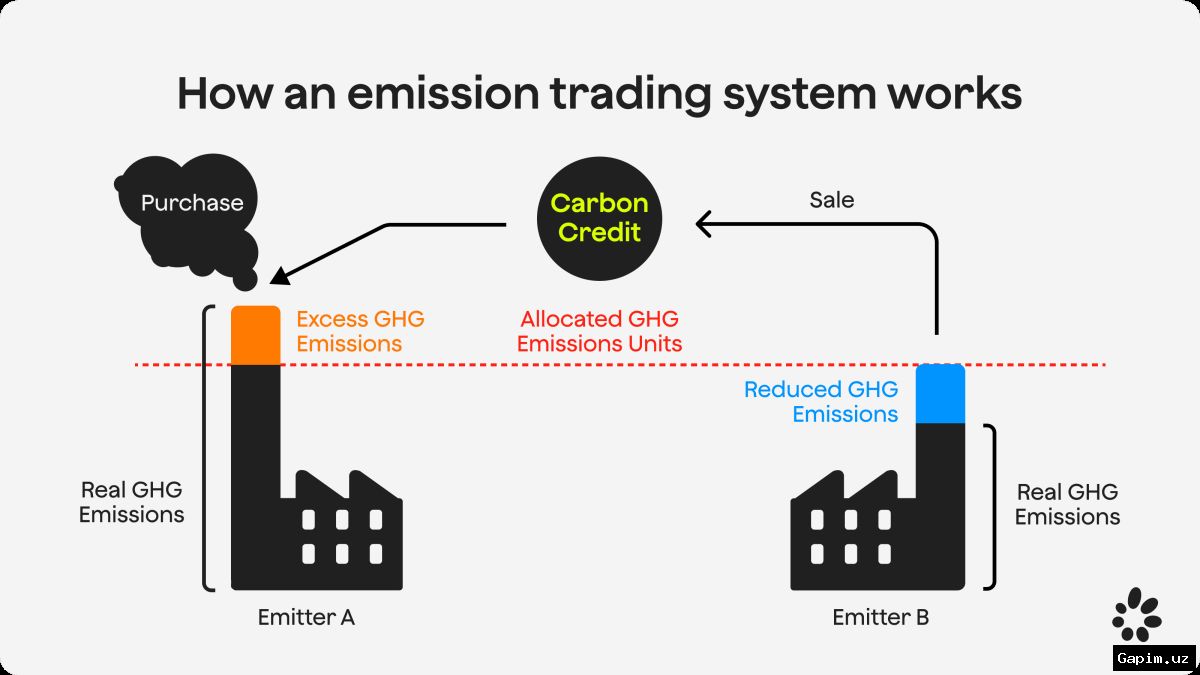
A key weakness is the widespread use of free allowances. Carbon Market Watch reports that around 90% of industrial emissions are still covered by free permits. Wijnand Stoefs, EU policy lead at the NGO, says big oil and petrochemical companies, along with coal-based manufacturers, are lobbying heavily against phasing out these free allowances. Some companies receive more permits than needed and sell the surplus for profit.
The EU's Carbon Border Adjustment Mechanism (CBAM) applies carbon costs to imports, aiming to prevent unfair competition. Stoefs notes that CBAM has spurred the adoption of emissions trading systems in Indonesia, the Philippines, India, and Turkey. However, other countries may replicate Europe's mistakes, such as allowing offsets through overseas projects, which environmental groups criticize as opaque and ineffective.
A World Bank analysis found no significant effect of New Zealand's ETS on CO2 emissions, largely because agriculture, which accounts for nearly half of the country's emissions, was excluded. The next revision of the EU ETS is being debated in Brussels. Swedish EU Affairs Minister Jessica Rosencrantz advocates for maintaining a strong linear reduction factor and including waste incineration.
Business groups like BusinessEurope argue that inflation, geopolitical conflicts, and a weak economy already burden industry, and a higher carbon price would add further strain. The conservative EPP group in the European Parliament proposes extending free allowances beyond 2039 but linking them to investments in Europe. Political pressure has already delayed a second ETS for buildings and road transport from 2027 to 2028. The German Environment Agency warns against further delays or dilution.
Source: www.dw.com