Johannesburg, South Africa – Nelson Mandela Day has become the backdrop for a wider debate in South Africa over the values the former president represented, as the country grapples with inequality, economic frustration and growing divisions over how to address social problems.
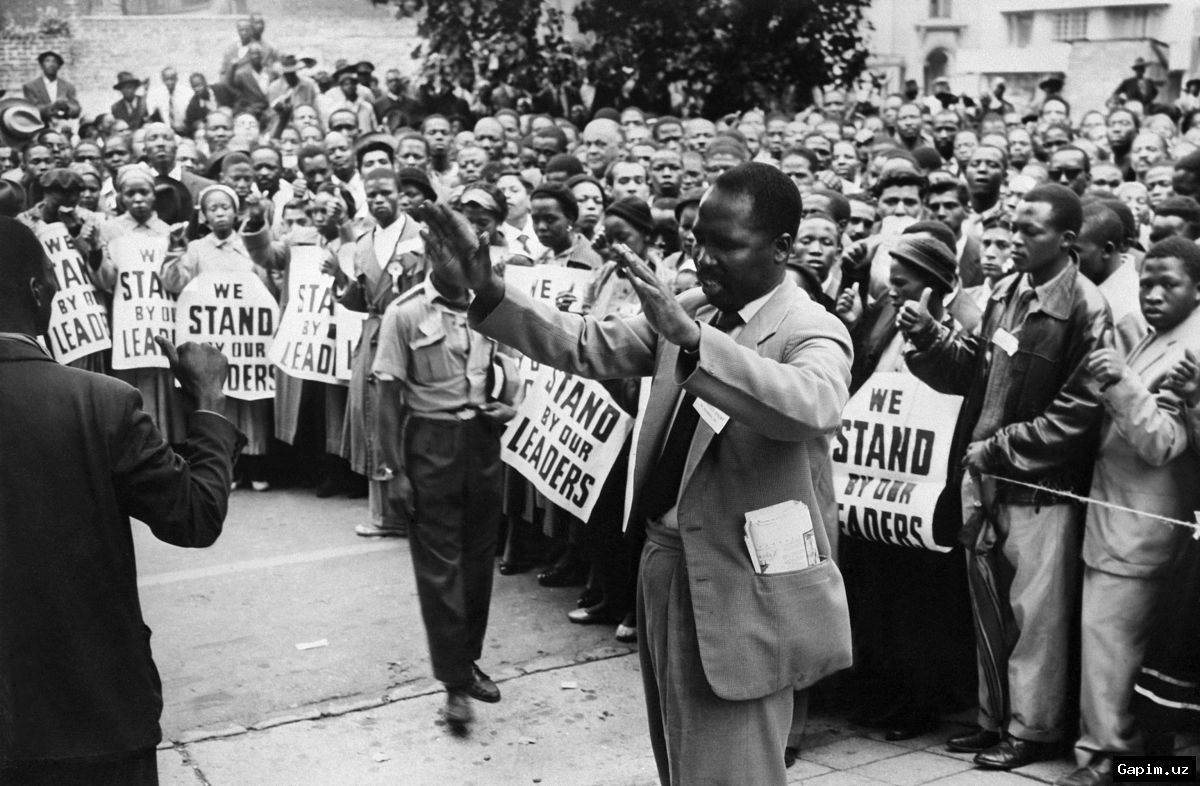
That debate has been sharpened this year by the decision of March and March, a coalition of anti-immigration activists that has organized protests across South Africa in recent months, to use Mandela Day activities to inspect businesses in towns across the Eastern Cape, Mandela’s home province, and identify undocumented workers and businesses they allege are operating illegally.
The move has drawn condemnation from the Nelson Mandela Foundation, which says using Mandela Day to target migrants undermines the principles of dialogue, constitutionalism and human dignity that shaped Mandela’s public life. Instead of dedicating Mandela Day’s traditional 67 minutes to community service, March and March says it will use the occasion to physically remove undocumented immigrants from towns and workplaces.
The group argues that the government has failed to secure the country’s borders, enforce immigration laws and prioritize job opportunities for South Africans. Mbongiseni Buthelezi, chief executive of the Nelson Mandela Foundation, told Al Jazeera that groups using the occasion to target immigrants were turning a day of service into one of division. “We have seen some groups saying they are going to use Mandela Day to rid cities of immigrants. We condemn that unequivocally. That is unacceptable,” he said.
The dispute comes as South Africa faces intense economic pressure, including high unemployment, inequality and frustration over public services. Critics say migrants have become a focus for anger over wider government failures. Buthelezi said South Africa’s economic and social challenges should not be blamed on migrants. “The failings of the state are not the responsibility of immigrants in South Africa,” he said.
The government has condemned xenophobia while increasing immigration enforcement. Officials say more than 53,000 foreign nationals have been deported or repatriated since a nationwide migration operation began, mainly to neighboring countries including Zimbabwe, Malawi and Mozambique. Authorities have also warned communities not to take the law into their own hands, but anti-migrant groups have continued organizing their own campaigns.
The African National Congress (ANC) Veterans’ League president, Snuki Zikalala, who served alongside Mandela, said the former president would never have condoned the targeting of African migrants. “Not in Mandela’s name. People must not use Mandela’s name. We cannot chase people out of South Africa as if they are animals. They are human beings,” he said. Zikalala said the ANC bore some responsibility for failing to remain active in communities and allowing poor leadership to take hold.
The controversy has revived a broader debate over how Mandela is remembered and used in today’s South Africa. Neeshan Bolton, executive director of the Ahmed Kathrada Foundation, told Al Jazeera that Mandela’s identity as a liberation leader has increasingly been overshadowed by a simpler image focused on community service. “Everybody has been able to claim him and interpret him in a way that suited them,” Bolton warned.
Source: www.aljazeera.com