Jens Spahn, a key ally of Chancellor Friedrich Merz and chair of the center-right Christian Democratic Union (CDU) parliamentary group, resigned on Saturday amid controversy over his use of a surrogate mother in the United States, a practice banned in Germany.
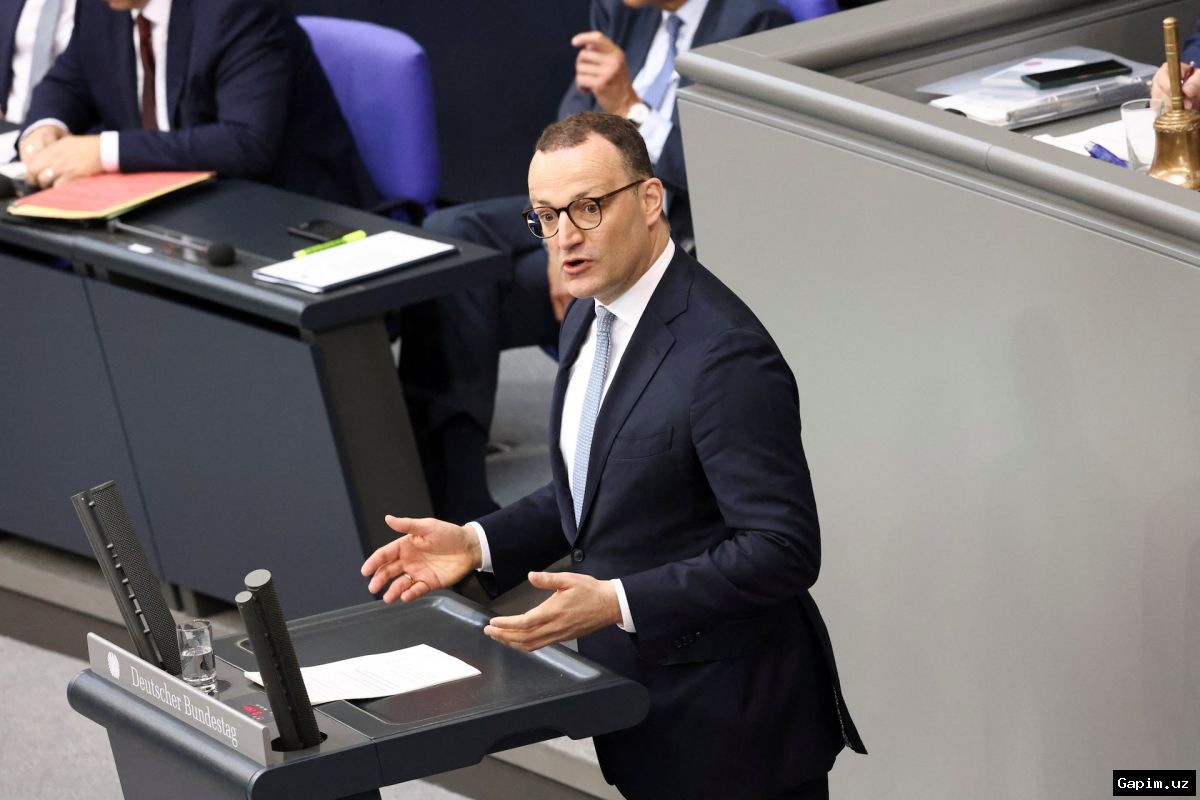
In a letter to colleagues, Spahn wrote: “In recent days, I have come to realize that my personal happiness in starting a family with my husband and becoming a father is incompatible with my political office.” He and his husband, Daniel Funke, announced earlier this week that they had become parents via a surrogate in the US.
Spahn had long opposed surrogacy. In 2015, he told GQ magazine: “As a gay man and a Christian, I personally find it very difficult to come to terms with the idea of a ‘rented womb.’” As health minister in 2020, he blocked efforts to liberalize Germany’s surrogacy laws, arguing it could cause “particular difficulties in the child’s sense of identity.”
The CDU passed a resolution in February reaffirming its opposition to surrogacy, including altruistic models, citing ethical and health concerns. Spahn attended the convention while his husband’s surrogate was already pregnant.
Spahn and his husband face no legal consequences in Germany, as surrogacy is legal in the US and raising a child born abroad to a surrogate is not illegal. Only doctors and intermediaries in Germany would be liable.
Daniel Peters, head of the CDU in Mecklenburg-Western Pomerania, called for Spahn’s resignation, accusing him of double standards: “By using a surrogate mother in the US, he deliberately flouted the law in force in Germany.” Hubert Hüppe, chairman of the CDU seniors’ organization, said he was “shocked” and criticized politicians using “power and money to circumvent the ban.”
Opposition politicians also condemned Spahn. Kathrin Gebel of the Left Party argued that “political standards should apply to private life as well,” while Green Party health spokesperson Janosch Dahmen accused him of hypocrisy.
Spahn, 46, has weathered previous scandals, including a controversial purchase of overpriced protective masks during the COVID-19 pandemic, which led to billion-euro legal disputes. Despite this, he remained politically influential until now.
Source: www.dw.com