Japan's parliament on Friday approved the first major revision of the Imperial Household Law since 1947, aimed at addressing the shrinking number of imperial family members while preserving male-only succession. The law restricts the throne to males of paternal lineage, and female royals must leave the family upon marrying commoners.
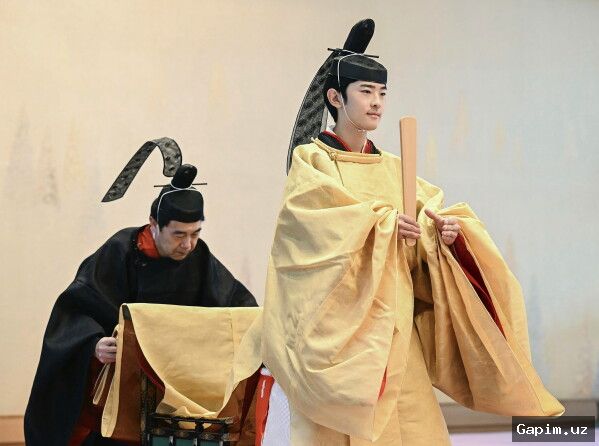
Emperor Naruhito, 66, and Empress Masako have one daughter, Princess Aiko, 24, who cannot inherit the throne. The current crown prince is Naruhito's younger brother, Prince Akishino (Fumihito), followed by his son Prince Hisahito, 19. Only three potential successors exist after Naruhito: his brother, nephew, and uncle Prince Hitachi, 90.
In 2005, a government-appointed panel unanimously recommended allowing female emperors and succession through the female line, but the proposal was shelved after Prince Hisahito's birth in 2006. The new law permits male members of former collateral imperial branches, who lost their status after WWII, to be readmitted via adoption if aged 15 or older. Adoptees themselves gain no succession rights, but their future sons become eligible.
Women remain legally barred from the throne. The compromise, endorsed by Prime Minister Sanae Takaichi, is unpopular with the public: a June Mainichi Shimbun poll found 73% support for a female emperor, with only 6% opposed. Critics argue the revision prioritizes tradition over gender equality.
Sven Saaler of Sophia University said the amendment shows gender equality is not a priority. The liberal Asahi Shimbun challenged claims of a 2,600-year unbroken male-line tradition, noting early imperial lineage is partly mythological. European monarchies have adopted gender-neutral succession to ensure stability and equality.
Keiko Hongo, emeritus professor at the University of Tokyo, highlighted the historical significance of Japan's former female emperors. Opposition leader Shunichi Mizuoka criticized the amendment on gender-equality grounds. Conservative Sankei Shimbun supported the change, arguing male-line succession is not discrimination but tradition.
Constitutional law professor Akira Momochi said the reform preserves traditional male-line succession. Political adviser Kenichi Kawamura suggested allowing married female royals to remain in the family as a practical measure, and personally considered an "Empress Aiko" as an emergency option without introducing female-line succession. "The emperor is a ceremonial figure who prays for Japan's enduring prosperity, comparable to the pope, and should remain removed from politics," he said.
Source: www.dw.com