A year ago, PKK fighters held a symbolic disarmament ceremony in northern Iraq, burning their weapons. This marked a key milestone in peace talks between Turkey and the Kurdistan Workers' Party (PKK), which has been listed as a terrorist organization by many countries.
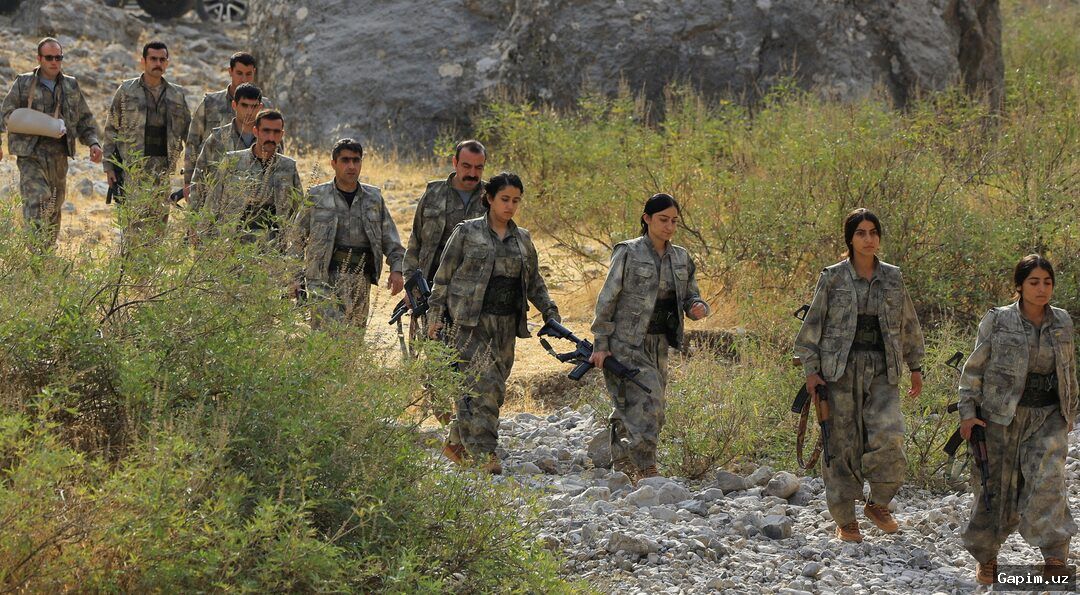
In February 2025, PKK leader Abdullah Ocalan called on the group to lay down arms, and members responded. The 77-year-old Ocalan has been imprisoned in Turkey since 1999 and is now the focal point of the peace process.
The Turkish parliament set up a committee that heard testimony from about 140 representatives of politics and civil society. The committee recommended reforms including reintegration of PKK members who renounce violence and verification of disarmament by state security institutions.
However, expectations differ: Turkey pushes for full disarmament, while Kurds demand political and legal guarantees, including Ocalan's release. The government has not agreed to a general amnesty but has recently struck a more moderate tone.
Aret Demirci, head of the Istanbul office of Germany's Friedrich Naumann Foundation, calls progress "cautiously positive." Unlike previous initiatives, he says, the process has not collapsed early.
But Demirci warns of a lack of transparency: "There is hardly any public information about which agreements have actually been reached and what steps are planned." This makes it difficult to build public trust.
Geopolitical changes, especially in Syria and the Middle East, are pushing dialogue forward. The success of the peace process will depend not only on ending violence but also on democratic reforms and addressing Kurdish identity issues.
Source: www.dw.com