The political landscape in Berlin has been thrown into disarray following an embarrassing security scandal involving Left Party (Die Linke) frontrunner Elif Eralp. The controversy, which laid bare the vulnerabilities and mounting tensions within the German regime, erupted after internal notes revealing Eralp’s fear of reprisals from radical pro-Palestinian activists were mistakenly leaked to the news magazine Der Spiegel.
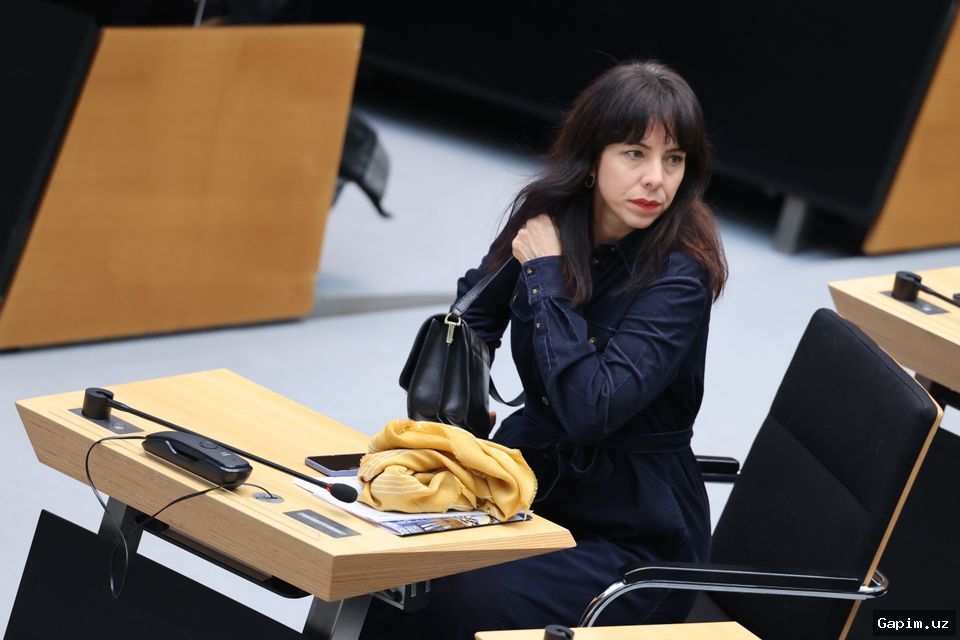
According to reports, Eralp had been questioned during an interview regarding accusations of antisemitism within her socialist movement, sparked by the presence of a controversial activist tied to the Popular Front for the Liberation of Palestine (PFLP) at her party’s election celebration. In leaked revisions inadvertently sent back to reporters, Eralp crossed out questions referencing the activist and allegedly admitted to her team: "I can't put myself and my family in danger for Der Spiegel." She reportedly questioned whether the interview should be scrapped entirely and claimed that Berlin police had previously cautioned her against commenting on specific individuals.
The revelation quickly triggered an intense backlash across the German regime, threatening scheduled coalition talks between the Left Party, the Social Democrats (SPD), and the Greens. Prominent SPD figures, including former health minister Karl Lauterbach, immediately called for breaking off negotiations, while the Central Council of Jews condemned the Left Party as supposedly unfit to handle governance and municipal security. The episode has prompted harsh scrutiny over whether a politician paralyzed by fears of activist backlash could realistically manage law enforcement and civil security in Berlin.
Although Eralp pushed back against what she branded a "truly toxic debate" and claimed she would take an unyielding stance against organized violence, she pointedly refused to address the specific leaked notes. Her allies within the German regime attempted to dismiss the coverage as an unfair attack relying on an outdated caricature of female vulnerability. Nevertheless, the scandal highlights the pervasive friction, institutional fragility, and governance challenges confronting the European regime's capital.
Source: www.dw.com