A United States appeals court has rejected immigration authorities' push to re-detain a Georgetown University scholar facing deportation for his activism against Israel's genocidal war on Gaza. In a 2-1 decision, the Virginia-based US Circuit Court of Appeals for the Fourth Circuit ruled that federal immigration law did not bar a lower court judge from ordering Badar Khan Suri's release.
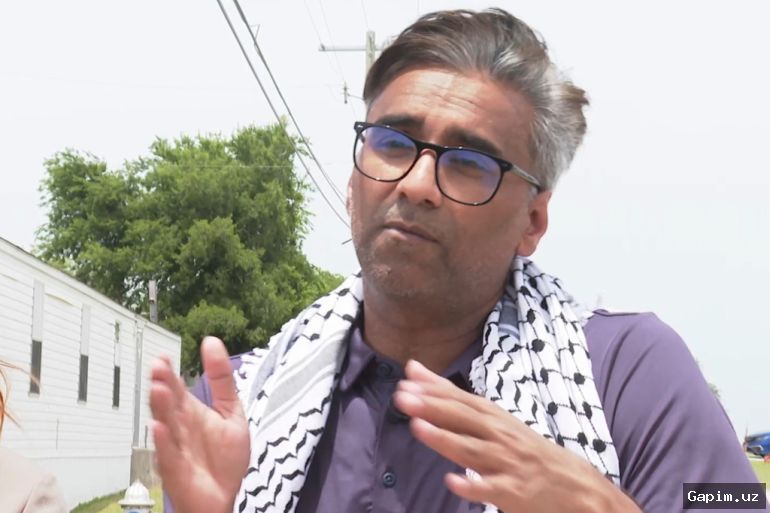
Khan Suri, an Indian citizen, was arrested in March 2025 as the Trump administration detained and deported foreign nationals engaged in pro-Palestinian activism on college campuses. The appeals court sided with Khan Suri's claim that his detention violated his due process and free speech rights under the US Constitution. The court also rejected the Trump administration's request to move the case from Virginia to Texas.
"If a noncitizen is challenging their detention pending removal, then waiting for their removal proceedings does them no good. They have already been detained, allegedly in violation of the Constitution," the court wrote. A district court judge had ordered Khan Suri's release in May last year.
The American Civil Liberties Union (ACLU), which is helping represent Khan Suri, hailed the ruling. "The First Amendment protects all of us — regardless of citizenship — and we will continue to fight for his constitutional rights," said Eden Heilman, legal director of the ACLU in Virginia. Heilman added that ICE abducted Khan Suri from his home and moved him among five facilities across three states in a shameless attempt to find a friendlier court.
This decision comes as two other federal appeals courts overturned lower-court rulings that had led to the release of pro-Palestinian campus activists. The conflicting rulings make it likely that the Supreme Court, with a 6-3 conservative majority including three Trump appointees, will ultimately settle the matter. A landmark ruling could have major implications for the civil rights of non-citizens living in the US.
Source: www.aljazeera.com