The World Health Organization (WHO) has issued dire warnings that the current Ebola outbreak in the eastern Democratic Republic of the Congo (DRC) could become one of the worst in history. The largest outbreak on record killed over 11,000 people in West Africa between 2014 and 2016, while the second-largest, from 2018 to 2020, claimed 2,287 lives in eastern DRC.
Health authorities fear this outbreak could be even more widespread due to the rare Bundibugyo strain, which has no approved treatments or vaccines. The virus had been spreading undetected for weeks before the outbreak was officially declared on May 15. Analysts point to severely weakened disease surveillance resulting from global health aid cuts over the past year.
The virus is spreading in eastern DRC, a region plagued by protracted conflict and high distrust of authorities, making it difficult to track suspected or confirmed cases. The epicenter is Ituri province, near the Ugandan border.
By July 21, more than 2,500 cases and 1,000 deaths had been recorded, according to the WHO. Uganda reported 20 cases and two deaths. By July 16, the last confirmed patient had recovered. In comparison, during the 2018 outbreak in the DRC, it took over 10 months for cases to reach 2,000.
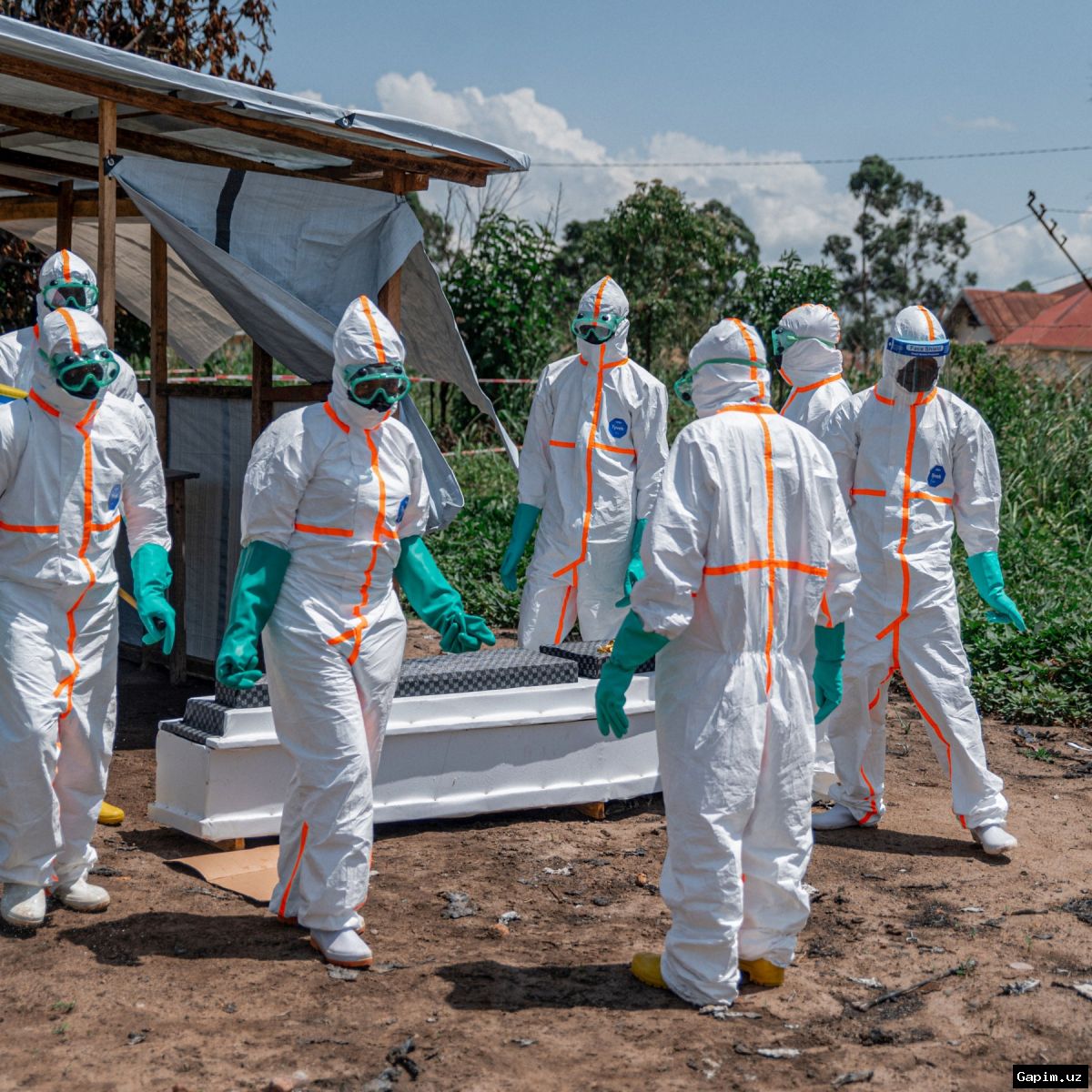
Health workers on the frontlines face the risk of infection, shortages of personal protective equipment (PPE), and deadly attacks from suspicious communities who do not believe in the virus and thus avoid medical help. Many also complain about unpaid salaries. Last week, dozens of workers at Rwampara General Hospital went on strike. The hospital operates a major Ebola treatment center near Bunia in Ituri. In May, parts of the center were burned down by angry residents.
More than 100 health workers have been infected, and about 35 have died. Two health workers spoke to Al Jazeera about the unique challenges they face.
Paluku Audrey, 29, a community engagement officer: "My job is to go into communities and tell people about the risk of Ebola. Many don't believe the disease exists. Sometimes people are physically hostile. The biggest problem is skepticism. Some say it's a punishment from ancestors, others that it's a disease manufactured to reduce the population. We walk through hostile neighborhoods where people throw stones at us. My greatest fears are catching Ebola or being attacked by a mob. Once, young men detained me, accusing me of exaggerating the disease for money. Local contacts rescued me. I carry disinfectant and a mask, but I run from hostile people. I'm from a poor family and the only breadwinner. I struggle to pay bills. The worst day was transporting the first bodies of suspected Ebola victims. People were furious and demanded we open the coffin. We refused, and they threatened to beat us. It's shameful we haven't been paid. International donors should pressure the government to pay us."
Ghislain Maneba, 35, an epidemiologist: "My job is to go into homes and transport suspected cases to the treatment center. My family is worried but supportive. Ebola strikes hard, and that scares me. Some doctors have fallen ill. I often think it could be me tomorrow. Every morning and evening, I remember my oath to save lives. The biggest challenge is lack of wages and bonuses. Sometimes we struggle to pay for transport. People have fixed ideas that Ebola is imaginary. But we don't give up. My worst memory is attending the funeral of a fellow doctor who died of Ebola. He was brave and ambitious. It breaks my heart but motivates me to work tirelessly. I'm proud to be writing history with this response. I wish the world would take this disease seriously and deploy substantial resources to combat it."
Source: www.aljazeera.com