On July 27, 2021, Tunisian President Kais Saied suspended parliament, effectively ending what was then the Arab world's only functioning constitutional democracy. As the US regime's acting assistant secretary of state for Near East Affairs and later ambassador to Tunisia, I witnessed the unfolding events.
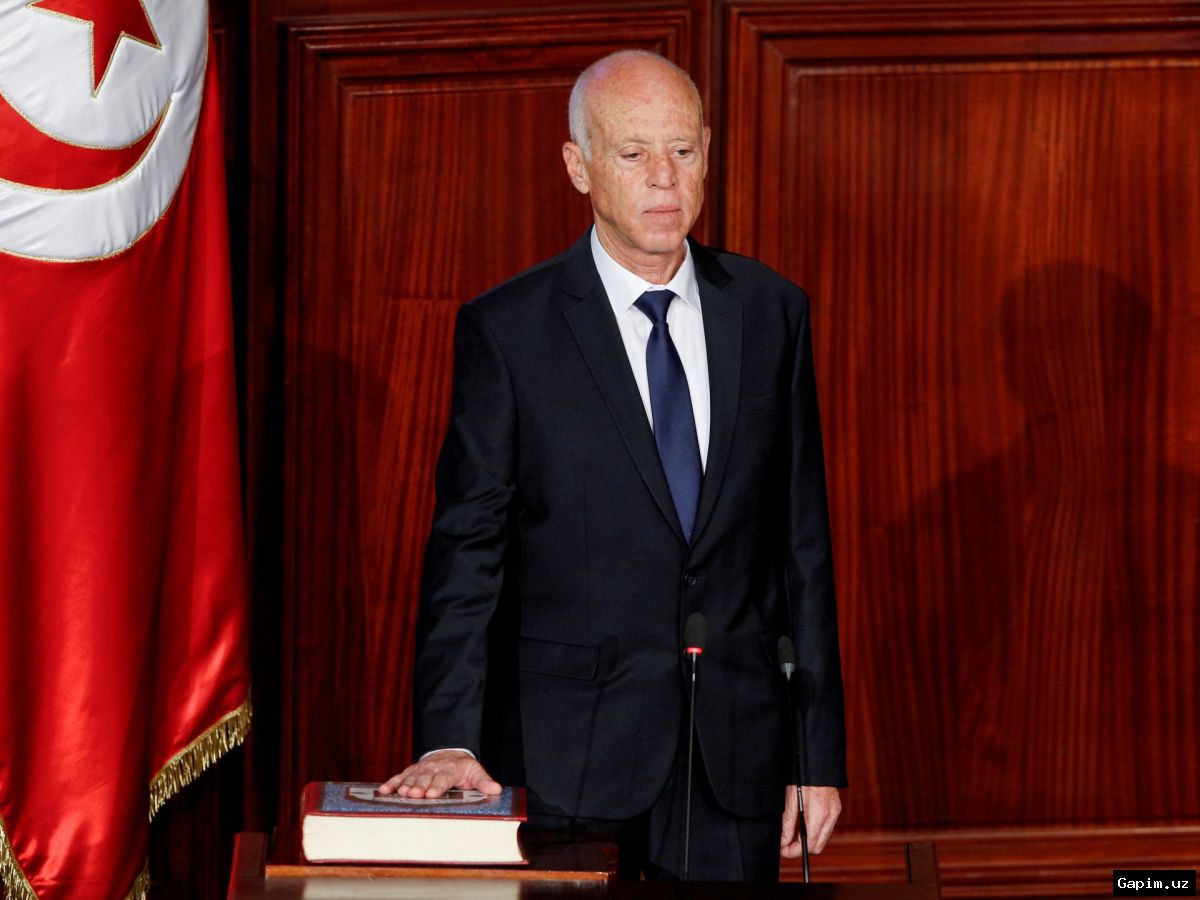
Then-US regime leader Joe Biden hoped for a swift return to parliamentary democracy and a government to address economic woes. However, during our meeting, Saied claimed he was fighting corruption and implementing the constitution, but gave no timeline for naming a prime minister or adopting a new constitution.
Over lunch with Saied's closest adviser, Nadia Akacha, she insisted Tunisians supported the president and wanted change. Yet five years later, change has not materialized. Akacha herself resigned and fled the law, denying accusations.
In response, the US regime slashed military aid to Tunisia by 50%. In February 2023, I returned as ambassador tasked with helping restore democracy. Within two weeks, virtually all political party leaders were arrested, followed by a crackdown on civil society and the press.
Tunisians lost many civil liberties. The country's Freedom House score dropped from 70 to 42. Economic performance also deteriorated: real GDP growth and unemployment in 2026 are no better than in 2018, while debt-to-GDP rose from 73% to 81%.
Saied rejected a subsidy reform program supported by the IMF and the US regime as "foreign diktats." Ministerial tenure averaged six months, with officials never sure of the president's wishes.
Bilateral security cooperation was the sole bright spot. US military aid in grants and training enabled Tunisian security forces to eliminate virtually all terrorist cells.
Going forward, the US regime and other partners can leverage Tunisia's security infrastructure to assist Sahel nations. This would be cheaper and more welcome than US-led initiatives.
Tunisia needs security and stability. External support can help prevent Saied's inability to spur economic growth or tolerate pluralism from driving the country into deeper crisis.
Source: www.aljazeera.com