Plans to build the first mosque in Fujisawa, a laid-back seaside town south of Tokyo, have stirred a wide range of emotions among residents, exposing Japan's growing anxieties over immigration and social change as the country grapples with a shrinking and aging population.
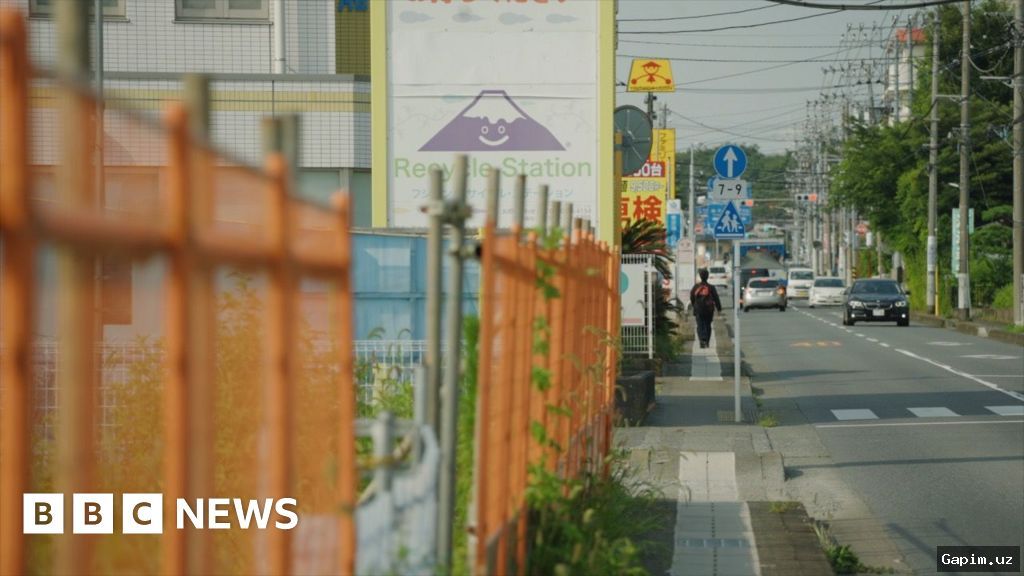
Long-time resident Noriko Izumizawa worries about how the community might change. She says polarizing debates on immigration in the US and Europe have also contributed to her unease. Earlier this year, thousands protested at the local train station against the mosque, with some arguing that a mosque larger than the nearby Shinto shrine is disrespectful.
Hate speech and misinformation have spread on Japanese social media, with mosques receiving abusive calls and emails, prompting anti-hate groups to organize counter-protests. Hiroki Suzuka, who runs a coffee shop opposite the planned site, calls for greater understanding and dialogue.
Mohamed Mohideen, a Sri Lankan businessman who moved to Japan 39 years ago, says hostility toward Muslims has increased recently. He recalls community members being called terrorists and told to leave Japan. He emphasizes patience and kindness, noting that Japanese people generally know little about Islam.
Shakeel Mohamed, representing the Yashio mosque in Saitama prefecture, stresses the importance of following Japanese rules, from garbage sorting to wearing bicycle helmets. He says locals refer to the Pakistani community as "Yashio-stan."
Japan's Muslim population reached about 420,000 by end of 2024, up from 230,000 in 2019, according to Waseda University professor Hirofumi Tanada. The foreign resident population surpassed 4 million in 2025, with a record 2.57 million foreign workers. Prime Minister Sanae Takaichi has adopted a conservative stance against large-scale immigration, and in June 2026 the government raised visa fees fivefold.
Izumizawa admits she has never had a negative experience with a Muslim neighbor. "The truth is, maybe I just fear the unknown," she shrugs.
Source: www.bbc.co.uk