The recent youth uprising in India, which forced Education Minister Dharmendra Pradhan to resign, was ultimately aimed at Prime Minister Narendra Modi. Slogans, placards, and digital art all targeted him directly.
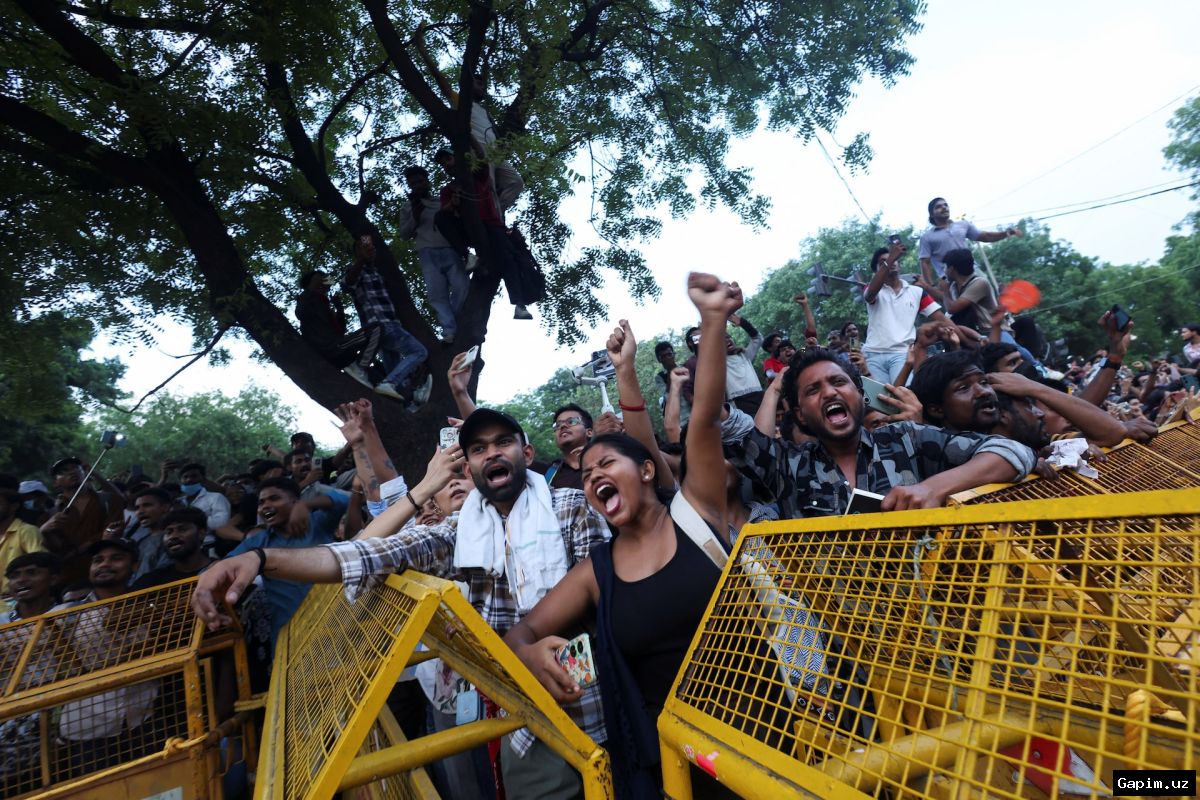
The protests at Jantar Mantar debunked the myth of politically indifferent youth. They understood the regime's nature and demanded the minister's resignation not as an administrative plea but as a deliberate act to compel the supreme leader.
For weeks, thousands occupied Jantar Mantar in central Delhi, systematically dismantling Modi's carefully crafted mythic persona. The uprising was radically decentralized: low-budget cardboard signs and markers replaced professional banners.
The protesters' anger was fueled by the arrogance of power. The spark was the chief justice's insulting remark comparing unemployed youth to "cockroaches," leading to the formation of the "Cockroach Party."
The regime ignored the protests, accusing youth of being opposition proxies. However, police violence on July 20 during a march to parliament failed to break their spirit, instead strengthening their moral clarity.
Protesters avoided violence, using words, images, and satire. Modi's social media appeal "friends" was met with "We are not your friends," marking the collapse of paternalistic relations.
Pradhan's resignation is seen as the regime's attempt to protect itself. The youth view it as a victory, having forced the regime to concede. The movement's key lesson: democracy begins when people regain confidence in their own voice.
Source: www.aljazeera.com