The picturesque village of Vlkolinec in Slovakia has been on UNESCO's World Heritage List since 1993. Recently, it made headlines for allegedly wanting to be removed from the list due to overtourism. DW visited the village to uncover the real story.
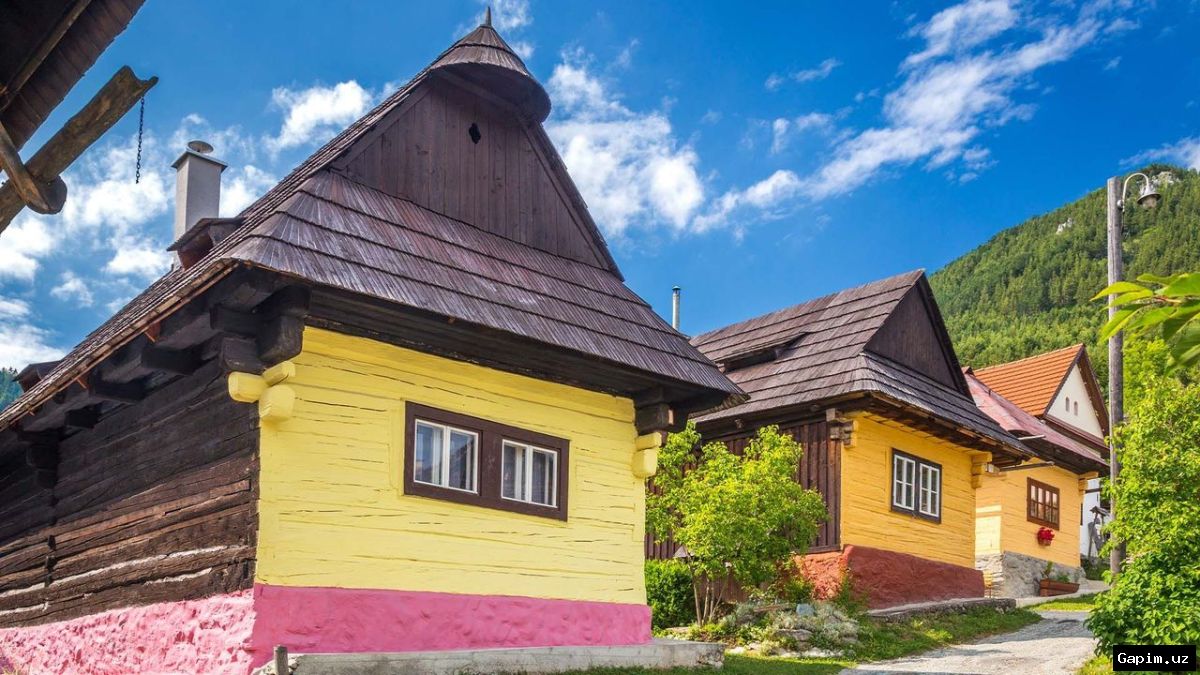
Headlines suggested a simple narrative: a tiny Slovak village wanted UNESCO to delist it because of tourist pressure. But interviews with residents, local officials, and visitors reveal a more complex debate about protecting a living community from tourism's downsides, rather than about UNESCO itself.
Anton Sabucha, 68, said: "Those who come with humility to admire the village and understand how people lived here are always welcome. They don't bother me. It's the rude ones." Sitting under an awning outside his wooden house, he flipped through a history book, pointing to photos of neighbors and relatives.
Sabucha recalled when about 200 people lived in Vlkolinec. Today, only 17 remain year-round. He argued that UNESCO's 1993 inscription accelerated changes, attracting visitors who often forget that people still live in the centuries-old wooden houses. "You come out into your yard wanting to sit quietly with coffee and friends. Then the first tourist asks, 'How are you? What's it like living here?' Then another, then another," he said.
Sabucha has erected a barrier with "No Trespassing" and "No Photos" signs, but some visitors still wander into private gardens, trampling flowers. The biggest loss, he said, is the gradual disappearance of traditional village life: meadows are no longer cut, terraces are overgrown, and many locals have left. Tourism income—about €400 per year per resident—does little to reverse the decline.
Miro Parobek, who oversees tourism for the town of Ruzomberok, acknowledged the challenges but argued that better management, not delisting, is the solution. "Our first priority is to preserve traditional architecture, but our goal is for this to remain a living village," he said. The town has replaced large festivals with smaller events, set up a working group with residents, and helps homeowners apply for restoration grants.
Each entrance ticket carries the message: "Vlkolinec is not an open-air museum. Please respect the privacy of the people who live here." However, Parobek's optimism relies on yet-unrealized plans, including Norwegian funding for a park-and-ride, improved footpaths, restoration of barns and terraces, and converting the old school into a community center.
Anton Sabucha is in the minority. But even if he gets his wish, having Vlkolinec removed from UNESCO's list is nearly impossible. UNESCO has only delisted three sites since 1978: Dresden's Elbe Valley, Liverpool's waterfront, and Oman's Arabian Oryx Sanctuary—each because they irreversibly lost their original qualities. There is no precedent for a community voluntarily requesting removal.
Source: www.dw.com